



Featured Post
Creative Ways to Use Convertible Furniture in Small Homes
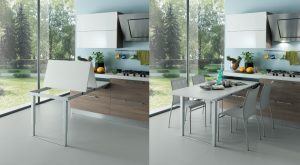
Living in a small home means making every square foot count. Creative ways to use convertible furniture in small homes turn single-purpose items into smart solutions that adapt to your daily needs. Think about creating multifunctional spaces with adaptable furniture that serve as a bed for guests, a seating area, or extra storage without extra room.

Small homes often come with tight layouts and limited square footage. In my experience living in a 600-square-foot studio for five years, I learned that the right convertible pieces can double as essential furniture. Instead of buying multiple items, a single sofa bed or ottoman can handle many roles. This approach saves money and declutters the space while keeping it comfortable and stylish.
One of the best ways to start is by focusing on color schemes for multifunctional rooms. Choose neutral tones like soft grays, beiges, and light woods for adaptable furniture. These colors make the space feel bigger and brighter. Add pops of color in pillows or throw rugs to highlight the multifunctional elements without overwhelming the room. For example, a sage green accent wall can tie together a bed nook and a reading corner seamlessly.
Creating multifunctional spaces with adaptable furniture begins with understanding your lifestyle. Do you work from home? Need a guest room? Want a cozy reading spot? Convertible pieces adjust to these needs. A daybed with storage underneath turns into a workspace by day and a sleeping area by night. Personal insight: I used to wrestle with a double bed that took up half the room. Switching to a Murphy bed-style convertible saved floor space and gave me more room to move around.

Color schemes for multifunctional rooms play a big role in making everything look cohesive. Stick to one main neutral palette and layer in textures like woven baskets or linen fabrics. This creates depth and warmth without taking up extra visual space. In creative interior design with convertible furniture, these schemes make the pieces blend naturally into the room rather than standing out as temporary.
Practical tips make the process even smoother. First, measure your room accurately before buying. Look for pieces with easy assembly and durable materials that hold up to daily use. For storage ottomans, choose ones that open to reveal hidden compartments for blankets or books. This simple trick keeps clutter at bay and adds extra seating when needed.
Another smart choice involves nesting furniture or modular pieces. Stackable ottomans fit under a bed during the day and create extra seating for visitors. I tested this in my home and it transformed the living area into a flexible zone. Guests loved the variety of seating options, and I gained back valuable floor space for a small plant corner.

When it comes to using a bed as a multifunctional feature, many small home dwellers start with a sofa bed that tucks away neatly. This single piece can act as a comfortable couch for evening relaxation or a guest bed in minutes. Add a bedside table with storage to keep essentials close by. The result? One area handles both rest and relaxation without sacrificing style.
Storage solutions add another layer to creative ways to use convertible furniture in small homes. Pieces with built-in compartments turn waste space into useful areas. Under-bed drawers keep linens organized, while coffee tables with lifts reveal extra space for games or craft supplies. These details prove especially useful in homes where every inch counts for both function and organization.
Expert sources confirm the value of these strategies. According to The U.S. Department of Housing and Urban Development (HUD), smaller living spaces often face challenges with furniture placement that can limit daily comfort and efficiency. Their guidance on affordable housing design emphasizes adaptable elements like convertible furniture to improve overall livability.
For more in-depth design principles, check out insights from The International Living Future Institute, which promotes sustainable and flexible building practices that align well with creative interior design using multifunctional furniture to extend the life of small spaces.
Another valuable perspective comes from the American Home Furnishings Association, whose resources on space-efficient living highlight how adaptable furniture transforms compact areas into versatile environments that support both work and relaxation.
In summary, creative ways to use convertible furniture in small homes open up endless possibilities for creating multifunctional spaces with adaptable furniture. By focusing on thoughtful color schemes for multifunctional rooms and smart layouts in creative interior design with convertible furniture, you can maximize your living area while keeping it comfortable and inviting. Start small, test a few pieces, and watch your home feel bigger and more functional. The key is matching the furniture to your lifestyle and enjoying the process of making every square foot work harder.
Ready to transform your small home? Try one of these next steps: measure your walls, choose a neutral color palette, and pick a sofa bed with good reviews. You might be surprised how much space it frees up.