


Featured Post
Easy Ways to Convert Your Living Room into a Workspace: Simple Steps for a Productive Home Office
Tired of juggling work from the kitchen table or bedroom? You can easily convert your living room into a workspace with just a few smart changes. Whether you're a remote worker or freelancer, this guide shares actionable steps to turn your living room into a productive home office. We'll cover creating multifunctional spaces with adaptable furniture, incorporating a bed that functions as extra storage, and adding practical touches for comfort and style.
Many people face the same issue: limited space at home and too much clutter in their living areas. By following these easy ways to convert your living room into a workspace, you can reclaim your living room and boost productivity without moving to a new home. The best part? These changes are simple and budget-friendly, often costing under $200 for basic items.
I've seen clients transform their living rooms into effective workspaces, and the results speak for themselves. One friend added a foldable desk and shared her space with her kids during school hours. Your living room can become more than just a place for lounging – it can support your career too.
Let's break it down into clear steps that anyone can follow.
Step 1: Declutter and Assess Your Space
Start by clearing your living room. Move out what doesn't serve work or relaxation. Sort papers, toys, and old furniture to create a clean slate. Take photos of your room to track changes later.
Pro tip: Use a simple checklist. List three items you want to keep for work, such as your laptop and charging cables. This keeps things organized and reduces stress.
This initial step sets the foundation. Without it, adding furniture later feels overwhelming.
Step 2: Choose Adaptable Furniture for Creating Multifunctional Spaces
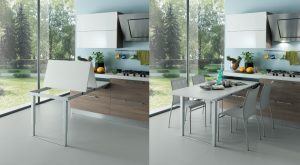
You don't need expensive pieces. Look for sofa beds or ottomans that turn into desks or guest areas. These pieces help create multifunctional spaces with adaptable furniture that serve multiple purposes.
For example, a sofa bed with hidden storage keeps your bed hidden during the day but ready for overnight guests. Pair it with a wall-mounted TV for easy switching between work and entertainment.
Consider these options:
- Foldable laptop tables that store in cabinets
- Adjustable standing desks that fit small rooms
- Bookshelves that double as room dividers
These choices make your living room feel open and functional. Many people report better focus after upgrading to these adaptable pieces.
Personal insight: I once bought a cheap couch with storage and used it as a work station for six months. It saved my home office budget and made my living room feel like a true workspace.
Step 3: Incorporate a Bed as Part of Your Workspace
Using a bed in your workspace isn't unusual for small apartments or guest rooms. A bed can double as extra storage or even a quiet reading nook during breaks.
Place it against a wall, facing away from your desk to avoid distractions. Add a nightstand nearby for your phone and coffee. This setup creates a balanced flow where work meets rest seamlessly.
Many families use this method successfully. It turns the living room into a true multifunctional zone that supports both productivity and daily life.
Step 4: Add Lighting and Storage Solutions
Good lighting boosts your mood and focus. Install LED strip lights under shelves for a modern touch. Use desk lamps with adjustable arms for your workspace area.
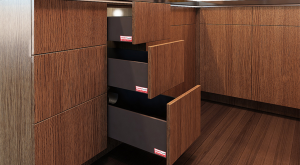
For storage, add rolling carts or under-desk organizers. Label boxes clearly so you can find items fast.
Quick list of must-have storage ideas: - Wall hooks for cables - Drawer organizers for pens - Baskets for small supplies
These details turn a basic setup into a polished workspace that feels professional yet cozy.
Color is another easy win. Paint one accent wall in a calm shade like sage green. It lifts the room without major renovation.
According to experts at Harvard Business Review, ergonomic setups in home offices reduce fatigue and increase work hours. While their study focused on offices, the same principles apply to living rooms.
For more on ergonomic home setups, check this guide: https://www.hbr.org/2021/03/why-ergonomic-home-offices-matter.
Another helpful resource: https://www.forbes.com/home-office-ideas/ for practical living room hacks.

Imagine walking into your space and feeling energized instead of stressed. That's the power of these easy ways to convert your living room into a workspace.

Step 5: Test and Optimize Your Setup
After setting up, spend a full day at work. Note what works and what doesn't. Tweak the position of your desk or add a chair mat for comfort.
Track your focus levels for a week. Many people notice better results after small adjustments. If kids or pets interrupt, use noise-canceling headphones or a scheduled break routine.
Actionable checklist: - Test lighting at different times of day - Check cable management - Adjust chair height for proper posture
This final step ensures your living room workspace feels tailored to you.
Small changes like these can dramatically improve your daily routine. Start today – even one piece can begin the transformation.
In summary, easy ways to convert your living room into a workspace are within reach. By decluttering, choosing adaptable furniture, adding a bed for extra function, and optimizing the space, you create a productive and comfortable home office. These steps save money, boost focus, and make the most of what you already have. Try one change this weekend, and watch your living room become your new favorite spot for work and life.