






Featured Post
Eco-Friendly Home Organization Tips: Transform Your Space Sustainably
Imagine a home where every item has a purpose, your furniture feels warm and inviting, and your habits support the planet. This is the magic of Eco-Friendly Home Organization Tips. These strategies go beyond neat storage—they help you live more sustainably while creating spaces that feel good to be in. Whether you live in a small apartment or a spacious house, these methods make organization simple, effective, and earth-friendly.
By focusing on renewable materials, natural care, and thoughtful layouts, you can cut down on waste and build a life that feels cozy and balanced. Let’s explore how to start your sustainable organization journey today.

Decluttering with Intention: The First Step to Eco-Friendly Home Organization Tips
Clutter drains your energy and the planet. Start by sorting your items into three piles: keep, donate, and recycle. For Eco-Friendly Home Organization Tips, go one step further—use the five-box method: keep, donate or sell, repair or repurpose, recycle, and trash.
When you declutter, you free up space that might have held items that eventually end up in landfills. In my experience, this simple act has reduced my household waste by noticeable amounts and given me more time to enjoy my home. Professional organizers often note that intentional decluttering leads to sustainable systems that last longer.
Pro tip: Use clear labels made from recycled paper or create a digital inventory with your phone. This approach prevents overbuying, a common source of waste. As one expert shares, visible systems help us see exactly what we have and avoid duplicate purchases.
Choosing Sustainable Storage Solutions
Once your space feels lighter, select containers that align with Eco-Friendly Home Organization Tips. Bamboo stands out as a top choice—it grows quickly without pesticides, sequesters carbon, and biodegrades at the end of its life. Unlike plastic, which can contribute to higher greenhouse gas emissions in some uses, bamboo offers a renewable alternative that lasts for years.
Other great options include linen or cotton bins, glass jars for pantry staples, and reclaimed wood for shelving. These materials feel natural and add warmth to any room. If you need more information on sustainable forest management, visit the Forest Stewardship Council for certified wood that protects biodiversity and supports communities.
Avoid cheap plastics that break down and release harmful chemicals. Invest in durable pieces that last, and you’ll reduce replacements over time.
Furniture Maintenance 101: Caring for Your Eco-Friendly Furniture
Your furniture holds a special place in a sustainable home. Furniture Maintenance 101 starts with regular dust removal using a soft microfiber cloth to prevent buildup. For wood pieces, mix equal parts white vinegar and olive oil, apply gently in the direction of the grain, and buff dry. This natural polish nourishes the surface and repels moisture without harsh chemicals.
For upholstery, vacuum with the brush attachment and spot-clean stains with a baking soda and water paste. Let it sit, then blot. Never soak fabric to avoid mold. These simple steps extend the life of your pieces and keep them looking fresh for years.
Furniture Maintenance 101 Quick Tips Table:
| Material | Daily Care | Monthly Care |
|---|---|---|
| Wood | Dust with dry cloth | Wipe with vinegar-oil mix |
| Fabric | Vacuum regularly | Spot clean with baking soda |
| Metal | Wipe with damp cloth | Polish with baking soda-lemon paste |
| Glass | Dust lightly | Clean with water and microfiber |
Consistent care means fewer new purchases and less landfill impact.
Eco-Friendly Home Organization Tips: Storage Solutions That Last
Building on your maintenance routine, implement these practical Eco-Friendly Home Organization Tips for every room. In the kitchen, reuse glass jars with bamboo lids for grains and spices—mark dates with chalk. Hang bamboo utensils on walls for easy access. In closets, use linen bins or collapsible seagrass organizers that breathe and look stylish.
For bathrooms, opt for bamboo shelves or recycled-plastic but BPA-free bins. Bedrooms benefit from under-bed storage cubes made from organic cotton. Each choice reduces single-use packaging and supports a circular economy where items get a second life.
As an expert notes, “Make your own staples like coconut milk in glass containers to cut packaging waste.” This hands-on approach saves money and aligns with your values.

Creating a Cozy Living Room: Furniture Arrangement Tips
Furniture Arrangement Mistakes to Avoid can turn a room into a frustrating space, but following smart rules creates harmony. Begin with a focal point—perhaps a fireplace or large window—and arrange seating to face it. Float your sofa 12 to 18 inches from the wall to allow traffic flow and make the room feel larger and more open.
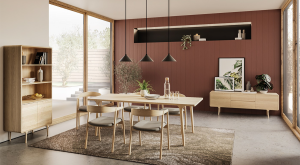
Create conversation areas with sofas and chairs spaced about 8 feet apart for easy chatting. Use the 2:1 rule: for every sofa, add two chairs or equivalent seating. A large area rug anchors the zone, and mix heights with low ottomans and tall lamps for visual interest.
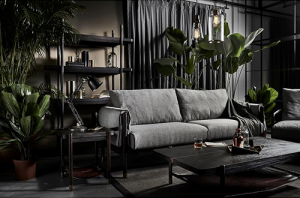
These Creating a Cozy Living Room: Furniture Arrangement Tips promote connection and comfort while making the space feel intentional. Avoid pushing everything against walls, which creates dead space and makes rooms feel smaller and disconnected.
Furniture Arrangement Mistakes to Avoid
Common Furniture Arrangement Mistakes include pushing furniture flush to walls, ignoring traffic flow, and overloading the space. These choices make rooms feel cramped and disconnected. Instead, float pieces, leave 36 inches for walkways, and mix shapes and heights.
In small spaces, use mirrors to reflect light and make areas appear bigger. Balance heavy pieces with lighter accents on the opposite side. By sidestepping these mistakes, you create a functional, welcoming living room that supports your sustainable lifestyle.
Your Daily Habits for Lasting Eco-Friendly Home Organization Tips
Maintenance goes beyond furniture. Rotate seasonal items in storage, clean surfaces weekly, and repair small damages instead of replacing. When you organize mindfully, you avoid overbuying and reduce the need for new products.
In the long run, these habits lower your home’s carbon footprint and create a space where you truly enjoy spending time. Start small—one drawer or shelf at a time—and watch how your home transforms into a sustainable haven.
Wrapping Up: Your Path to a More Sustainable Home
Eco-Friendly Home Organization Tips, paired with Furniture Maintenance 101 and thoughtful furniture arrangement, offer a complete guide to a cleaner, cozier, and greener living space. By decluttering, choosing natural materials, maintaining your pieces, and arranging furniture for conversation and flow, you create a home that feels warm and welcoming while protecting the planet.
Small changes add up to big results. Your family will thank you, and your home will thrive for years to come.