


Featured Post
Essential Home Decluttering Tips for Beginners: Transform Your Space with Simple Steps
Feeling overwhelmed by clutter in your home? You're not alone. Many beginners struggle to start decluttering because the task feels huge. These Essential Home Decluttering Tips for Beginners will guide you step by step. You'll learn simple methods to clear space, arrange furniture smartly, maintain what you keep, and build a cozy, functional home. In this guide, we share actionable advice based on real experiences to help you create lasting change without stress.
Decluttering is more than tossing items away. It frees up mental space and makes daily life easier. I remember my first big declutter project in a small apartment. Piles of unused clothes and random gadgets filled every corner. After following a structured approach, the difference felt amazing—like breathing fresh air again. The key is starting small and staying consistent.

Why Start with Essential Home Decluttering Tips for Beginners?
Clutter builds up gradually. One day you notice your counters disappear under mail and gadgets. Drawers refuse to close. Walking through rooms feels tiring instead of relaxing. Beginners often feel stuck because they try to tackle everything at once.
The secret? Break it down. Focus on one area or category at a time. This prevents overwhelm and builds momentum as you see quick wins.
Start with a quick trash sweep. Grab a bag and walk through your home collecting obvious garbage—expired food, broken items, old papers. This simple step creates instant visible progress and motivates you to continue.
Next, sort items into four boxes: Keep, Donate/Sell, Trash, and Maybe. Be honest with yourself. Ask: Do I use this regularly? Does it bring joy or serve a real purpose? If not, let it go.
A useful rule many beginners love is 'one in, one out.' When you buy something new, remove an old item. This keeps your possessions from growing out of control.
Decluttering Room by Room: Practical Steps
Begin in the easiest spot, like a single drawer or countertop. Empty everything out. Wipe surfaces clean. Then put back only what belongs there and adds value.
For clothes, pull everything from closets and dressers. Try each piece on. Keep what fits well and makes you feel good. Donate the rest. This category approach helps you see duplicates clearly.
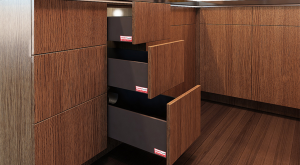
In the kitchen, check cabinets for expired goods and duplicate tools. Keep multi-purpose items and let go of gadgets used once a year.

Bathrooms benefit hugely from decluttering. Toss old cosmetics, expired medicines, and half-used products. Use clear bins or drawers to group similar items so everything stays visible and easy to find.
Living rooms often collect magazines, toys, and random decor. Create zones: seating area, entertainment spot, and storage for everyday items.
Small Space Furniture Arrangement Ideas That Work
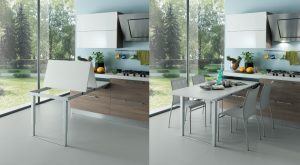
Once you've decluttered, smart furniture placement makes small homes feel larger and more functional. In tight spaces, choose pieces with multiple uses, like storage ottomans or nesting tables.
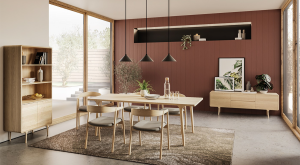
Pull furniture slightly away from walls instead of pushing everything against them. This creates an illusion of more space and improves flow. Use area rugs to define seating zones without closing off the room.
Vertical storage helps too. Wall shelves or tall narrow bookcases keep floors clear while displaying books or plants. Opt for furniture with legs to allow light and air underneath, making rooms feel airier.
For small living rooms, consider a compact sofa with an ottoman that doubles as extra seating or a coffee table. Swivel chairs offer flexibility for conversations or TV viewing. Avoid bulky sectionals that dominate the space.

Furniture Arrangement Mistakes to Avoid
Many people make common errors that make rooms feel cramped or awkward. One big mistake is shoving all furniture against the walls. This creates a 'waiting room' effect and wastes central space. Instead, float key pieces to encourage conversation and better traffic flow.
Another error is ignoring scale. A huge sofa in a tiny room overwhelms everything, while tiny pieces in a large room look lost. Measure your space first and choose furniture that fits proportionally.
Blocking pathways frustrates daily movement. Leave at least three feet for walkways. Also, avoid rugs that are too small—they make furniture look like it's floating. The rug should fit under the front legs of main seating pieces for a grounded look.
Too many matching pieces can feel boring. Mix styles and textures for interest while keeping a cohesive color palette.
Furniture Maintenance 101: Keep Your Pieces Looking Great
Decluttering and arranging feel rewarding, but proper care extends the life of your furniture and saves money. Regular dusting with a soft microfiber cloth prevents buildup. For wood, use a lightly damp cloth and mild cleaner—avoid harsh chemicals that damage finishes.
Protect from sunlight by using curtains or blinds. UV rays fade fabrics and dry out wood. Rotate cushions on sofas to prevent uneven wear.
For upholstery, blot spills immediately rather than rubbing. Vacuum regularly to remove dust and crumbs. Tighten screws periodically to keep everything stable.
Leather needs occasional conditioning to stay supple. Follow manufacturer guidelines for your specific materials to avoid costly mistakes.
Creating a Cozy Living Room: Furniture Arrangement Tips
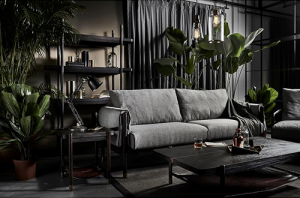
A cozy living room invites relaxation and connection. Start by choosing a focal point—like a fireplace, large window, or media center—and arrange seating to face it or encourage face-to-face talks.
Layer textures with soft throws, pillows, and rugs for warmth. Add lighting at different heights: floor lamps, table lamps, and overhead fixtures create a welcoming glow.
Keep surfaces mostly clear but add a few meaningful items like family photos or a favorite plant. Balance is key—mix open and closed storage so the room feels lived-in but not messy.
In my experience, pulling the sofa away from the wall and adding a couple of accent chairs transformed our living room from stiff to truly cozy. Guests linger longer because the space feels comfortable and conversational.
Use these Essential Home Decluttering Tips for Beginners alongside thoughtful arrangement and maintenance. You'll notice less stress, easier cleaning, and more enjoyment in your home.
Remember, progress beats perfection. Start today with one small area. Over time, these habits create a home that supports your life instead of weighing it down.
Decluttering and arranging your home is an ongoing journey, not a one-time event. Celebrate small victories and adjust as your needs change. A well-maintained, thoughtfully arranged space brings calm and joy every day.