


Featured Post
Essential Kitchen Organizers for Busy Families: Smart Solutions That Save Time and Sanity
Quick Overview
In a home with kids, school runs, work, and endless activities, the kitchen often becomes chaos central. Essential Kitchen Organizers for Busy Families turn that chaos into calm. These tools help you find what you need fast, cut down on mess, and make cooking feel less like a chore. This guide shares real tips that actually work for families on the go.

I've raised three kids while juggling jobs and activities. The kitchen used to drive me crazy—drawers full of mismatched utensils, cabinets where things vanished, and counters buried under gadgets. Once I focused on smart organization, everything changed. Meals got faster, arguments over 'where's the spatula?' stopped, and I even enjoyed cooking again.
The key? Choose organizers that fit your real life, not just pretty pictures online.
Start with the Basics: Declutter First
Before buying anything, sort through your kitchen. Ask: Do we use this? Does it have a home? If not, out it goes. Families often keep duplicates or old tools 'just in case.' Cutting back creates space for better systems.
Once decluttered, group items by task: - Baking zone near the oven - Everyday dishes close to the dishwasher - Snacks at kid height
Drawer Organizers: Stop the Jumble
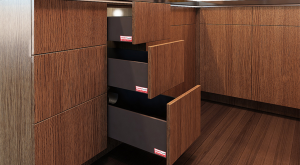
Kitchen drawers turn into junk pits fast in busy homes. Adjustable dividers keep utensils, measuring tools, and gadgets in place. I use expandable ones so they fit any drawer size.
For deeper drawers, add stackable trays. One holds silverware, another cooking tools. No more digging through piles when you're rushing dinner.

Pantry Power: Clear Bins and Lazy Susans
Pantries become black holes without help. Clear plastic bins let everyone see what's inside—no more buying duplicates. Label them: 'Snacks,' 'Canned Goods,' 'Baking.'
Lazy Susans in corner cabinets bring items forward. Spices, oils, and condiments stay easy to reach. For families buying in bulk, stackable bins maximize shelves and keep things tidy.
Pull-out shelves in lower cabinets work wonders too. Pots and pans slide out instead of stacking awkwardly. Kids can grab their own bowls without help.
Countertop Calm with Vertical Solutions
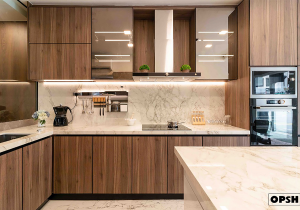
Counters collect clutter. Use wall hooks or magnetic strips for knives and tools. Under-cabinet racks hold mugs or spices. These free up space while keeping essentials handy.
A small over-the-sink cutting board adds prep area without taking permanent space.

Sideboard Organization Tips and Tricks
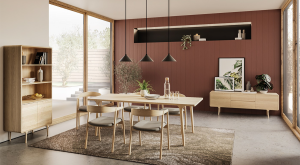
Many families lack kitchen storage, so a sideboard in the dining area becomes a lifesaver. It holds extra dishes, linens, and small appliances without crowding the main kitchen.
Sideboard organization tips and tricks include: - Use drawer dividers for cutlery and napkins - Add bins for baking sheets or holiday items - Install adjustable shelves for different heights - Keep everyday items in front, special ones in back
I store our entertaining pieces here—platters, wine glasses, tablecloths. It frees kitchen cabinets and makes setting the table quicker. Blend it with decor so it looks intentional, not like extra storage.
Multifunctional Furniture for Small Spaces
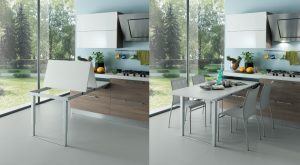
Top Furniture Picks for Multifunctional Living include kitchen islands with drawers or shelves. They add prep space and hidden storage.
How to Decorate with Furniture That Works Hard means choosing pieces like benches with lift-up seats for toys or extras, or tables with built-in racks. These save space while serving double duty in busy homes.
Quick Wins for Busy Mornings
Set up a breakfast station: cereal in dispensers, bowls stacked nearby, fruit in a bowl. Kids grab what they need independently.
A family command center on the fridge or wall keeps schedules visible and reduces forgotten items.
Final Thoughts
Essential Kitchen Organizers for Busy Families focus on function over flash. Start small—pick one area like drawers or pantry—and build from there. The payoff? Less stress, faster meals, and more family time. Your kitchen should support your life, not fight it.
You've got this—start organizing today!
Word count: approximately 1520