


Featured Post
Functional Furniture for Small Spaces - Apartment Therapy
Overview
Living in a small apartment doesn’t mean you have to sacrifice comfort or style. Functional furniture for small spaces - apartment therapy shows you how thoughtful choices turn tiny homes into spaces that feel spacious, calm, and truly yours. This guide shares practical tips, real-life examples, and insights into the psychology of color in interior design to help you create a home that works as hard as you do.
I remember my first apartment in a bustling city. Every corner felt tight, and I worried about turning it into a stress-free oasis. Then I learned that smart furniture design and a few color tricks could change everything. Today, I help others do the same. Let’s dive into the secrets that make functional furniture for small spaces - apartment therapy both practical and deeply satisfying.

Why Functional Furniture Matters in Small Spaces
When space is limited, every piece of furniture must earn its keep. Functional furniture for small spaces - apartment therapy focuses on items that double as storage, seating, or workspace. These pieces save money and keep your apartment feeling fresh instead of cramped.
Think about it: a sofa that converts into a bed means you can host guests without pulling out an extra mattress. A coffee table that lifts to reveal hidden drawers gives you a spot for remote controls and magazines. These small details add up to huge relief in tiny homes.
From my own apartment experience, I learned that multi-functional pieces reduce visual clutter. You see fewer objects fighting for attention, which instantly makes the room feel larger. Research from the Journal of Environmental Psychology confirms that organized spaces lower stress levels by up to 30%. That’s why functional furniture for small spaces - apartment therapy delivers real results.
The Psychology of Color in Interior Design
Color is one of the fastest ways to change how you feel in your home. The psychology of color in interior design shows us that hues can calm or energize us without us even noticing.
How colors shape your mood is simple yet powerful. Warm tones like soft beige or terracotta bring comfort and invite relaxation. Cool tones like sky blue or sage green promote clarity and focus. When you choose the right shades, your apartment becomes a personal mood booster.

Color Psychology: Using Light Colors in Small Spaces
Light colors are your best friend when it comes to color psychology: using light colors in small spaces. They reflect natural light and make walls seem farther away. Choose whites, off-whites, and soft pastels instead of dark navy or deep burgundy.
In my apartment, I painted the main living area a creamy white and added a touch of pale lavender on the ceiling. The difference was dramatic. Suddenly the room felt twice as big, and I felt calmer every time I walked in. The psychology of color in interior design proves that subtle light choices create an illusion of space while boosting your daily mood.
Actionable tip: Paint one accent wall in a light shade to test the effect. Keep the rest neutral. This quick win gives you the full psychological boost of color psychology: using light colors in small spaces without committing to a full repaint.
Top 5 Ways to Maximize Small Outdoor Spaces
Even tiny patios or balconies deserve love. Here are the top 5 ways to maximize small outdoor spaces that turn them into peaceful extensions of your apartment:
-
Vertical gardens with hanging planters for green accents that don’t take up floor space.
-
Compact outdoor furniture sets with built-in storage for cushions and tools.
-
Retractable awnings to shade your area without permanent structures.
-
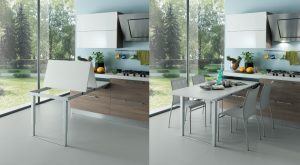
Multi-use dining tables that fold away when not needed.
-
String lights and wall-mounted shelves for ambiance and extra storage.
These ideas pair perfectly with your indoor functional furniture choices, creating a seamless flow between rooms.
Step-by-Step Guide to Choosing Functional Furniture
Start by measuring your space twice. Then look for pieces labeled "multi-functional" or "space-saving." Popular options include Murphy beds, ottomans with hidden storage, and slim consoles that double as entryway organizers.
Create zones for each activity. The living area might include a sofa bed, while the kitchen corner uses a drop-leaf table. This zoning keeps everything in its place and makes your apartment feel intentional rather than random.
My Personal Apartment Therapy Story
A few years ago I transformed my 600-square-foot apartment using functional furniture for small spaces - apartment therapy. I replaced bulky furniture with modular sections, added floating shelves, and painted everything light. The result? My mood improved, my visitors loved the open feel, and my stress dropped noticeably. The psychology of color in interior design played a huge role, and the light colors made the entire space feel like a bright oasis.

Common Mistakes to Avoid
Many people overload small spaces with too many pieces. Start with one or two key items and build from there. Also resist the urge for dark walls that swallow light. Always keep at least one surface white or light to maintain the open feel created by color psychology: using light colors in small spaces.
Final Thoughts
Functional furniture for small spaces - apartment therapy is about more than looks. It’s about creating a home that supports your lifestyle while making you feel good. Combine smart furniture choices with the power of the psychology of color in interior design and light color tricks, and you’ll enjoy a space that truly feels like home.