



Featured Post
How to Choose the Best Multifunctional Furniture for Tiny Homes
Living in a tiny home brings freedom and simplicity, but it also demands smart choices. Multifunctional furniture turns limited square footage into comfortable, efficient living areas. This guide explores How to Choose the Best Multifunctional Furniture for Tiny Homes with real-world insights to help you decide what works best.

When I first moved into a 300-square-foot space, I quickly learned that every piece of furniture needs to earn its keep. Traditional bulky items simply do not work. Instead, pieces that serve multiple purposes became game-changers. They help maintain an open feel while providing storage, seating, sleeping, and work areas.
Why Multifunctional Furniture Matters in Tiny Homes
Tiny home living continues to grow in popularity as more people seek affordable and sustainable lifestyles. Multifunctional furniture addresses core challenges: limited floor space, storage needs, and the desire for flexibility. According to studies on residential space optimization, these pieces significantly improve daily living by reducing clutter and increasing usability.
Start by assessing your actual needs. Do you work from home? Host guests often? Need extra storage? List your daily activities and match furniture to them. This practical step prevents buying items that look good but fail to deliver real value.

Key Factors to Consider When Choosing Multifunctional Furniture
1. Measure Your Space Carefully
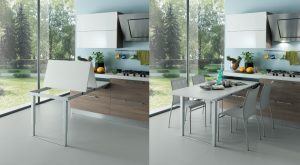
Always measure twice. Note ceiling height, door widths, and traffic paths. Choose pieces that fit when expanded and when stored. For example, a murphy bed or foldable table must clear obstacles easily.
2. Prioritize Quality and Durability
Invest in sturdy mechanisms that withstand daily use. Cheap folding parts break quickly and become frustrating. Look for solid frames, smooth hinges, and high-density foam for comfort.
3. Think About Versatility
The best items adapt to different times of day. A sofa that converts to a bed serves daytime lounging and overnight guests. Storage ottomans work as seats, tables, and blanket holders.
Popular Types of Multifunctional Furniture for Small Spaces
- Convertible Sofas and Futons: These provide comfortable seating by day and sleeping space at night. Pair them with customizable futon covers for unique styles to match your personality and refresh the look seasonally.
- Wall-Mounted Desks and Beds: These free up floor space completely when not in use.
- Storage Solutions: Beds with drawers, coffee tables with lift tops, and benches with hidden compartments maximize every inch.
- Modular Seating: Sectionals that rearrange let you adapt the layout for different needs.
From my experience, starting with a good sofa bed made the biggest difference. It handled movie nights, work calls, and visiting friends without feeling cramped.

Integrating Design Trends and Color Choices
The Power of Color in Small Space Design plays a crucial role. Light colors reflect more light and make rooms feel larger. Soft whites, pale grays, and gentle blues open up the space visually. Strategic pops of color through accessories keep things interesting without overwhelming.
Top Home Decor Trends for Small Living Spaces include natural materials, vertical storage, and pieces with slim profiles. Exposed legs on furniture create an airy feel by showing more floor.
Small Space Living: A Beginner’s Guide to Smart Choices
Beginners often overlook how furniture weight and scale affect perception. Choose mid-tone woods or light metals over dark heavy pieces. Test items in person when possible or use detailed room planners.
Consider your lifestyle deeply. If you cook a lot, prioritize a table that expands for dining. Remote workers benefit from desks that hide away to separate work from relaxation.
One lesson I learned: durability matters more than trends. A well-made piece lasts years and saves money long-term. Research mechanisms and read user reviews focusing on long-term reliability.
For deeper insights into space optimization, explore research from Auburn University on small living space design which details multifunctional approaches. Studies available on PMC about smart furniture applications also highlight benefits for efficient living.
Practical Tips for Buying and Arranging
- Create a floor plan before purchasing.
- Layer storage: use vertical walls and under-furniture areas.
- Choose neutral bases with interchangeable covers for flexibility.
- Test folding mechanisms in stores.
- Balance function with aesthetics for a home that feels personal.
In summary, choosing the best multifunctional furniture transforms tiny homes from restrictive to liberating. Focus on your needs, quality construction, and smart design. With thoughtful selections, even the smallest space can feel spacious, organized, and stylish.
By combining practical pieces like convertible furniture with design principles such as The Power of Color in Small Space Design, you create an environment that supports your lifestyle beautifully.