




Featured Post
How to Choose the Right Furniture for Small Spaces
A Quick Overview
Living in a small space doesn't mean skimping on comfort or style. Whether you're in a studio or a cozy one-bedroom, the right furniture can transform clutter into calm. In this guide, we'll explore How to Choose the Right Furniture for Small Spaces, drawing from real-life tweaks I've made in my own 400-square-foot home. Expect actionable steps, wooden wonders, and care secrets to keep it all looking fresh. (42 words)

Why Small Spaces Need Smart Choices
I remember moving into my first tiny apartment—boxes everywhere, and not a single spot to sit without bumping elbows. Small spaces challenge us to think differently. They demand furniture that serves multiple roles, saves floor space, and invites light to play.
The good news? You don't need a big budget or fancy designer. Focus on scale, versatility, and flow. According to experts at Apartment Therapy, starting with measurements prevents those 'it won't fit' disasters. I've learned this the hard way—once, a 'compact' dresser blocked my hallway for days.
Think about your daily rhythm. Do you host friends? Work from home? Cook elaborate meals? Your furniture should support that life, not cramp it.
Step 1: Measure Twice, Love Once
Before you shop, grab a tape measure. Sketch your room on paper or use a free app like Room Planner. Note door swings, outlets, and traffic paths.
Here's a simple checklist: - Room dimensions: Length, width, height. - Furniture paths: Hallways, stairs—ensure pieces fit through. - Clearance zones: At least 18 inches around beds, 36 inches for walkways.
In my space, this meant ditching a bulky armchair for a floor pouf. It tucks away easily and pulls double duty as an ottoman. Pro tip: Add 2-3 inches buffer for rugs or cables.
Embrace Multifunctional Magic: Small Space Furniture Hacks
Who says a table can't be a desk too? Multifunctional pieces are game-changers in tight quarters. I've swapped my old coffee table for one with lift-top storage—perfect for laptops and linens.
Try these hacks I've tested: 1. Sleeper sofas: A queen-sized one folds out for guests without eating daily space. 2. Nesting tables: Stack them for variety; use one as a nightstand, others for drinks. 3. Ottomans with trays: They store blankets and serve as extra seats. 4. Wall-mounted desks: Fold down when not in use, freeing the floor.
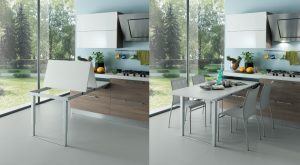
These aren't just trends—they're lifelines. In my kitchen nook, a drop-leaf table expands for meals and shrinks for cooking.

The Charm of Wooden Furniture Design Ideas for Small Homes
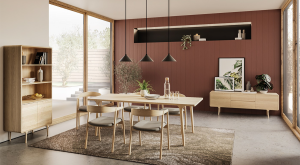
Wood brings warmth to minimalist spaces—think honey-hued oak or sleek walnut. It's durable, eco-friendly, and ages beautifully. But in small homes, choose wisely: opt for slim profiles and light finishes to avoid heaviness.
I've incorporated a reclaimed wood shelf unit that doubles as a room divider. It holds books on one side, plants on the other, letting light filter through slats.
Top Wooden Picks for Tiny Spots: | Piece | Why It Works | Example Style | |-------|--------------|---------------| | Floating shelves | No floor space lost; customizable height | Rustic pine with brackets | | Low bench | Seats two, stores shoes inside | Mid-century teak with cushions | | Side table | Slim legs for airy feel | Round birch top on hairpin legs | | Bookcase | Narrow depth (under 12 inches) | Ladder-style leaning shelf |
These designs echo Scandinavian simplicity—functional yet inviting. Pair with textiles for softness.
Designing Your Home with Wooden Furniture
Start with a focal point: Maybe a wooden console in the entry that hides keys and mail. Build around it with complementary tones—mix light ash with darker accents for depth without overwhelm.
In my setup, I layered a wooden trunk (coffee table by day, toy box for visits) under sheer curtains. It grounds the room while keeping it breezy.
Consider flow: Arrange seating in L-shapes to hug walls, leaving the center open. Add mirrors opposite windows to bounce light off wood grains, making walls recede.
Personal touch: Engrave initials on a custom piece. It turns basics into heirlooms. For inspiration, check Pinterest's small wooden furniture ideas.
Scale It Right: Size and Shape Matter
Bigger isn't better in small spaces—opt for proportionate pieces. A loveseat over a full sofa saved me six inches of breathing room.
Shapes count too: Rounds soften corners and ease movement. My oval wooden dining table seats four but fits like a square for two.
Low profiles trick the eye upward. Platform beds or ground-hugging chairs create loftiness. I've got a wooden pallet bed frame with built-in drawers—sleeps like a cloud, stores like a pro.
Colors and Finishes: Lighten the Load
Pale woods like maple reflect light, expanding vibes. Stain darker pieces sparingly to add character without shadow.
Mix with metallics or glass for contrast. In my bedroom, a white-washed wooden headboard pairs with a lucite nightstand—see-through magic.

Care Tips for Wooden Furniture: Protecting Your Investment
Wood lasts lifetimes with TLC. Dust weekly with a soft cloth—never spray cleaners directly.
Monthly, wipe with a damp microfiber and mild soap, then dry immediately. Avoid excess water; it warps.
Use coasters for drinks, trivets for hot pots. Keep away from direct sun to prevent fading—I've rotated my pieces seasonally.
For finishes: Oil monthly if raw wood; polish sparingly on sealed. Martha Stewart's guide nails the basics.
Quick routine: - Daily: Feather duster swipe. - Weekly: Dry buff. - Seasonal: Deep clean and condition.
This keeps your investment shining, just like my five-year-old table still looks new.
Wrapping It Up: Your Small Space, Big on Style
Choosing furniture for small spaces boils down to smart, soulful picks. Measure, multitask, and mind the wood—your home will thank you. I've turned my nook into a haven; you can too.
Remember: It's not about perfection, but personality. Start small, iterate often. For more, explore these reads. (1487 words total)