





Featured Post
How to Choose the Right Light Bulbs for Your Home
Overview
Choosing the right light bulbs can transform your home's atmosphere while saving energy and money. This guide covers everything from basics to advanced options to help you make smart choices.
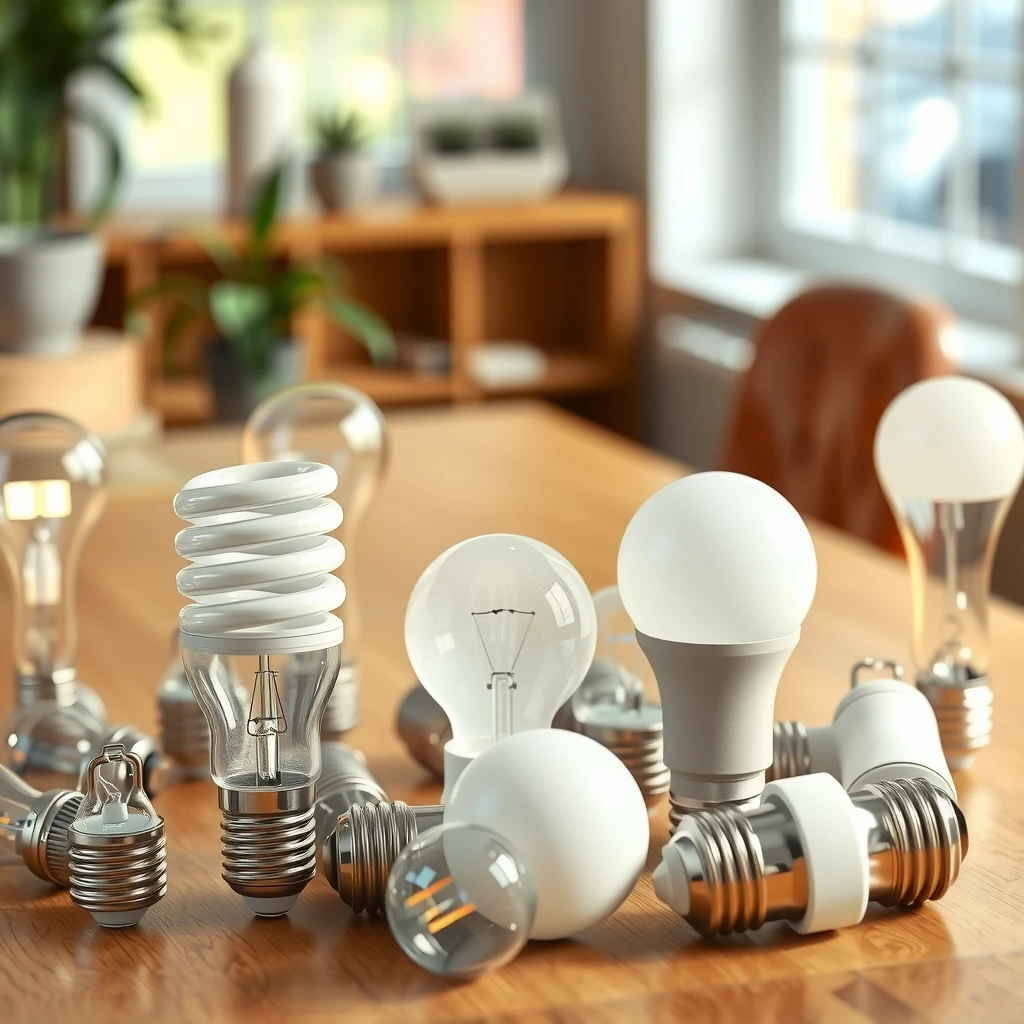
Lighting plays a huge role in creating a welcoming home. Good lighting makes spaces feel cozy, functional, and inviting. When I moved into my first house, I quickly learned that the wrong bulbs can make a room feel harsh or dim. That's why understanding lighting basics for a welcoming home is key.
Today, most experts recommend LED bulbs. They use up to 90% less energy than old incandescent ones and last much longer—often 25,000 hours or more. According to the U.S. Department of Energy, switching to LEDs can save households hundreds of dollars over time.
Why Switch to LEDs?
- Energy Savings: A 60-watt incandescent equals an 8-10 watt LED for the same brightness.
- Longevity: Fewer replacements mean less waste.
- Cooler Operation: They don't heat up like old bulbs.
For first-time buyers, this ties into home design tips for first-time buyers. Start with efficient lighting to keep utility bills low from day one.
Understanding Brightness: Lumens, Not Watts
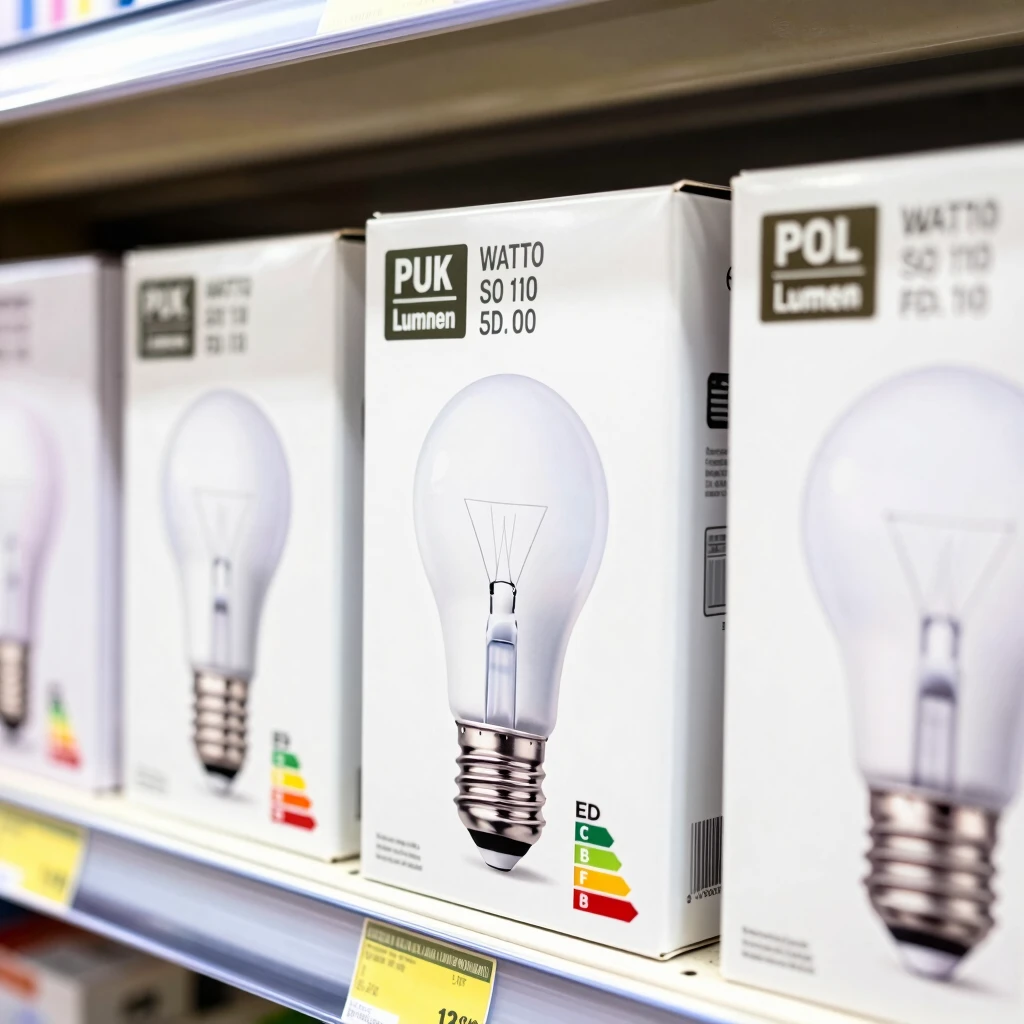
Forget watts for brightness—that measures energy use. Focus on lumens:
| Room/Type | Recommended Lumens |
|---|---|
| Bedroom (bedside) | 400-800 |
| Living Room (general) | 1,000-2,000 |
| Kitchen (task) | 3,000-5,000 |
| Bathroom (vanity) | 1,500-2,500 |
A standard 60-watt equivalent LED outputs about 800 lumens—perfect for most lamps.
Color Temperature: Set the Mood
Color temperature, measured in Kelvin (K), affects how a room feels:
- Warm White (2700K-3000K): Cozy and relaxing—ideal for living rooms and bedrooms.
- Neutral White (3500K-4100K): Balanced, great for kitchens and bathrooms.
- Cool White/Daylight (5000K+): Bright and energizing—for offices or garages.
In my experience, 2700K in the living room creates that inviting glow, while 4000K in the kitchen helps with cooking precision.
| Room | Best Color Temperature | Why |
|---|---|---|
| Bedroom | 2700K-3000K | Promotes relaxation |
| Living Room | 2700K-3000K | Welcoming and warm |
| Kitchen | 3000K-4000K | Clear for tasks |
| Bathroom | 3000K-4000K | Accurate colors for grooming |
Look for high CRI (Color Rendering Index, 90+) for true-to-life colors.
Bulb Shapes and Bases
Most homes use A19 bulbs with E26 bases—the standard pear shape that fits everyday lamps and fixtures.
Other common shapes: - BR30/PAR: For recessed cans (floodlights). - Globe (G25): Vanity lights. - Candelabra: Chandeliers (E12 base).
Always check your fixture's requirements to avoid mismatches.
Layer Your Lighting
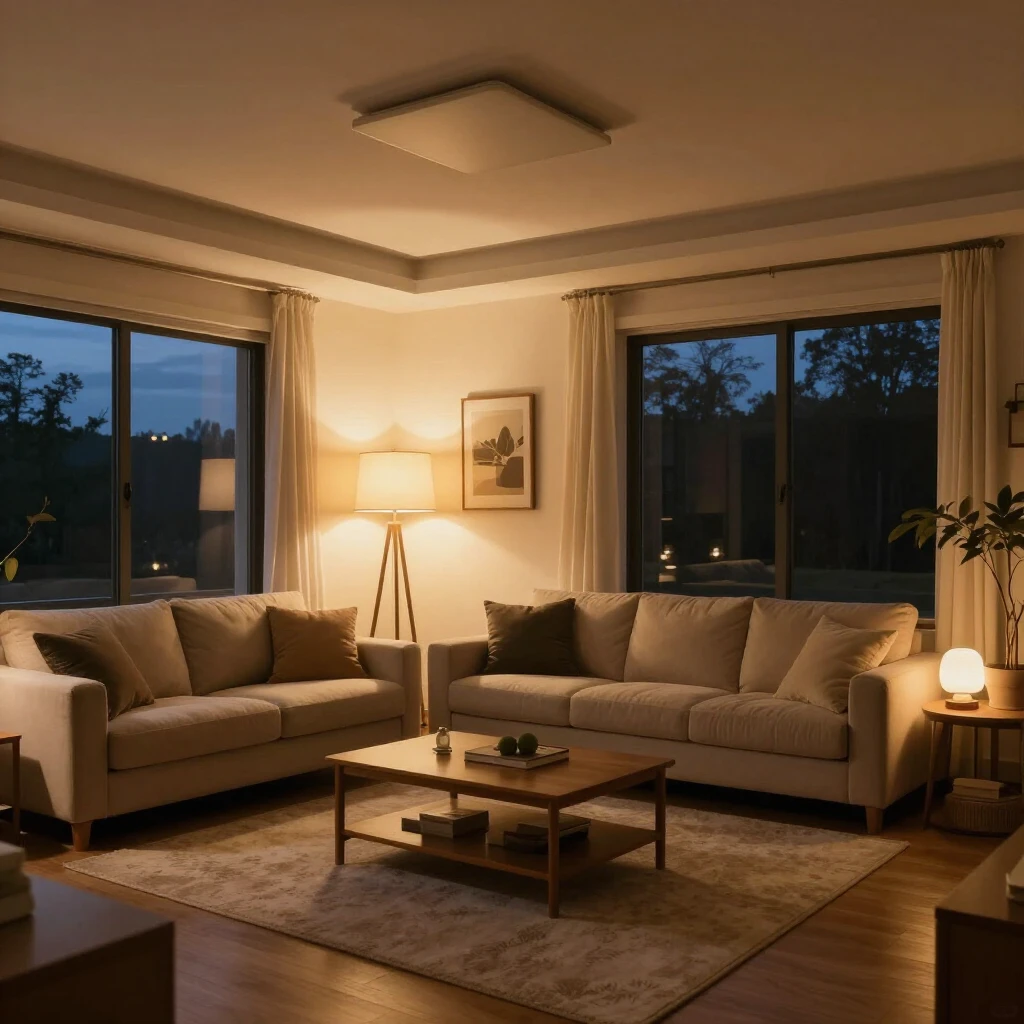
Great home design uses layers: - Ambient: General overhead light. - Task: Focused for reading or cooking. - Accent: Highlights art or architecture.
This approach makes spaces versatile. For example, dim ambient lights and add task lighting over a bar stool area in your kitchen island for evening gatherings.
Smart Bulbs: The Future of Home Lighting
In 2025, smart bulbs offer amazing features: - Control via app or voice (Alexa, Google, Siri). - Scheduling and routines. - Color changing for moods or parties. - Energy monitoring.
Benefits include convenience and extra savings from automation. Many now support Matter for easy integration across ecosystems.
Start small—replace a few bulbs and see the difference.
Tips for New Homeowners
When building your furniture shopping checklist for new homeowners, don't forget lighting. Pair comfortable seating like bar stools with adjustable lamps. Prioritize dimmable LEDs for flexibility.
Also, check for ENERGY STAR certification for proven efficiency.
Common Mistakes to Avoid
- Buying based on watts alone.
- Ignoring color temperature.
- Overlooking dimmability (many LEDs need compatible dimmers).
- Forgetting enclosed fixtures need rated bulbs.
Test bulbs in your space if possible—return policies help!
Final Thoughts
Choosing the right light bulbs is simple once you know lumens, color temperature, and types. LEDs are the clear winner for most homes, offering savings and better light. Experiment to find what makes your spaces shine.
With these tips, you'll create a brighter, more efficient, and welcoming home.
Word count: Approximately 1520.