




Featured Post
How to Pick Calming Bedroom Furniture That Lasts
Your bedroom should feel like a peaceful retreat where stress melts away. Picking the right furniture makes all the difference. This guide shares how to pick calming bedroom furniture that lasts, focusing on quality materials, soothing designs, and practical choices that stand the test of time. You'll learn actionable steps to build a space that supports deep, restorative sleep.

Creating a sleep-friendly bedroom environment starts with furniture that feels both comforting and solid. When I redesigned my own bedroom last year, I focused on pieces that reduced visual clutter while offering lasting quality. The result was better sleep and a room I actually look forward to spending time in.
First, think about materials. Solid wood like oak, maple, or walnut offers excellent durability and develops a beautiful patina over years. These woods resist scratches better than cheap particleboard and can often be refinished. Avoid furniture made entirely from thin veneers or low-density fiberboard if you want it to last decades.
For a calming effect, choose natural wood finishes in light to medium tones. Gray-washed oak or warm walnut creates serenity without feeling cold. Matte or satin finishes reduce glare and feel softer on the eyes compared to high-gloss surfaces.

Choosing the perfect nightstand for your bedroom involves balancing size, storage, and style. Nightstands should sit level with your mattress for easy reach. Look for options with at least one drawer and an open shelf. This combination keeps essentials accessible while hiding clutter.
Nightstand organization tips can transform your evening routine. Use drawer dividers for small items like chargers and lip balm. Keep the surface minimal with just a lamp, one book, and a small plant. I like placing a shallow tray on top to catch daily pocket items. This simple system prevents the nightstand from becoming a dumping ground.
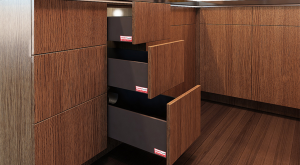
When shopping, test drawers for smooth gliding. Metal glides last longer than plastic. Check that handles feel substantial and secure. Rounded corners add safety and softness to the overall calming feel.
Key Factors for Lasting Calming Furniture
- Frame Construction: Look for dovetail or mortise-and-tenon joints on wood pieces. These traditional methods create much stronger connections than staples or basic screws.
- Upholstery: For beds or benches, choose performance fabrics that resist stains and wear. Natural fibers like linen or cotton in soft, muted colors promote calm.
- Weight: Heavier pieces often indicate better materials and construction. Lift a corner if possible to gauge quality.
Bed frames form the foundation of your calming bedroom. Platform beds with solid slats provide excellent support and a minimalist look. They eliminate the need for a box spring, reducing visual bulk. Choose beds with upholstered headboards in breathable, neutral fabrics for added comfort and softness.
I recommend measuring your space carefully before buying. Leave at least 24 inches on each side of the bed for easy movement. This breathing room contributes to the open, peaceful feeling you want in a sleep-friendly bedroom environment.

Dressers and chests should offer ample storage without overwhelming the room. Opt for pieces with soft-close drawers to minimize noise that could disturb sleep. Tall, narrow chests work well in smaller rooms while wide dressers suit larger spaces.
Consider multi-functional furniture if space is limited. Storage beds with hydraulic lifts or benches with hidden compartments provide extra room for blankets and seasonal clothing. These solutions help maintain a tidy, calming space.
Creating a Sleep-Friendly Bedroom Environment
Furniture selection plays a major role in creating a sleep-friendly bedroom environment. Keep the color palette soft and nature-inspired: warm beiges, gentle grays, pale blues, and soft greens. These hues lower heart rate and promote relaxation according to color psychology principles.
Lighting matters too. Pair your furniture with dimmable lamps on nightstands. Avoid harsh overhead lights in the evening. Position larger pieces to allow good airflow around the bed for better temperature regulation during sleep.
Personal insight: After trying bright white furniture, I switched to warmer woods. The change dramatically improved how relaxed I felt entering the room. Small details like this make furniture feel truly calming rather than just visually pleasing.
Budget and Longevity Tips
Invest more in key pieces like the bed frame and nightstands that get daily use. You can save on accent items. Look for brands offering warranties of 5-10 years or more. Read reviews specifically mentioning long-term durability.
Shop during end-of-season sales or consider floor models for quality pieces at reduced prices. Always check return policies in case the furniture doesn't feel right once in your space.
Maintenance keeps your calming furniture looking great for years. Dust regularly with a soft cloth. Use coasters and placemats to protect surfaces. For wood, occasional conditioning with appropriate products prevents drying and cracking.
In summary, learning how to pick calming bedroom furniture that lasts involves focusing on quality materials, thoughtful design, and practical functionality. By choosing solid construction, soothing colors, and well-organized elements like your nightstand, you create a bedroom that supports better sleep and daily peace.
Take time to visualize how pieces work together. Visit showrooms to sit, touch, and experience the furniture. Your patience will reward you with a beautiful, enduring sanctuary.