





Featured Post
How to Reduce Your Home’s Water Usage: Practical Tips That Actually Work
Quick Overview
Most households use far more water than they realize—often 300+ gallons per day. The good news? Small, consistent changes can cut your water bill by 20-50% while protecting our planet’s most precious resource. Let’s explore proven ways to use less water starting today.

Why Reducing Home Water Usage Matters
Fresh water is becoming scarcer in many regions. According to the U.S. Environmental Protection Agency, the average American family uses about 300 gallons of water indoors every day. Roughly 70% of that happens in the bathroom and kitchen.
Lowering your usage saves money, reduces strain on local water supplies, and shrinks your environmental footprint.
Bathroom: The Biggest Water User
1. Install WaterSense-labeled fixtures
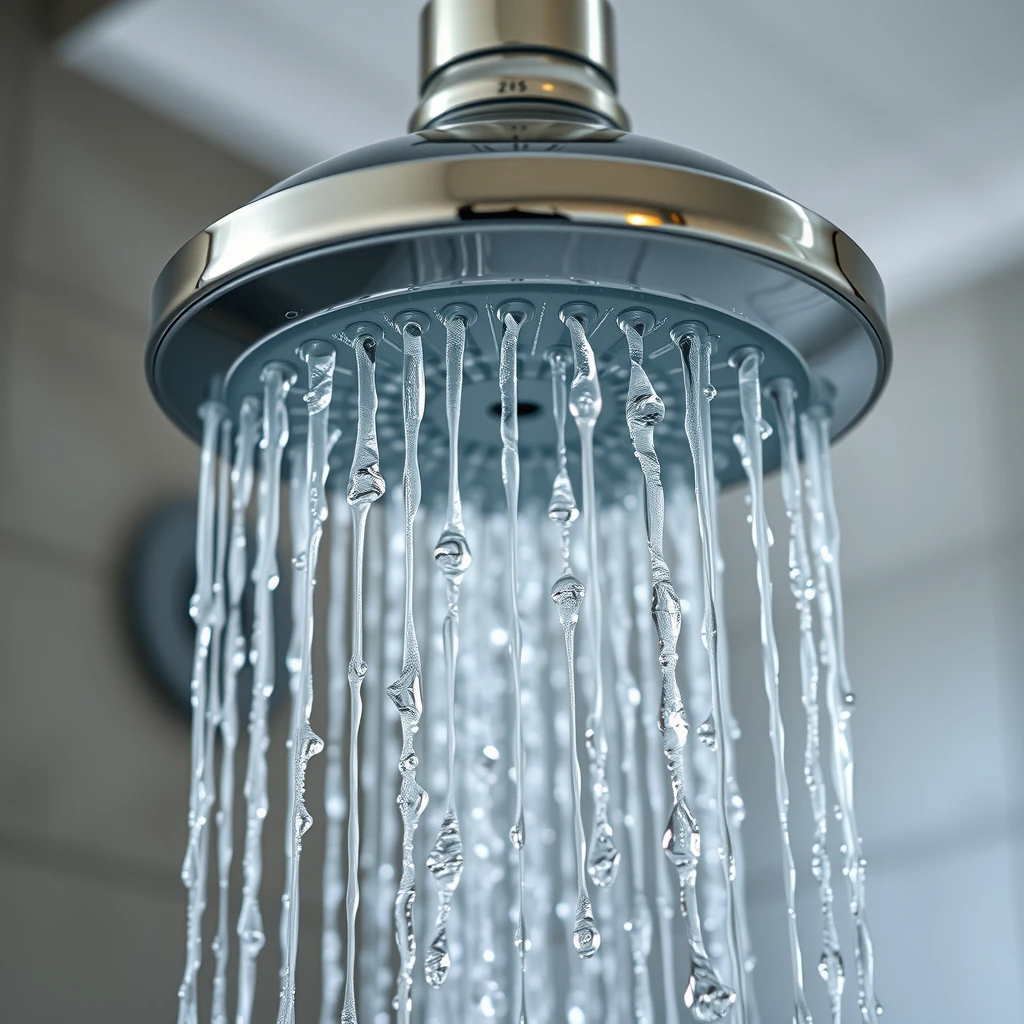
Toilets, showerheads, and faucets with the WaterSense label use at least 20% less water than standard models. Replacing an old toilet alone can save up to 13,000 gallons per year.
2. Take shorter showers
A 10-minute shower with a standard head uses about 40 gallons. Switch to a 5-minute shower and you’ve already cut usage in half. Try the “navy shower” method: wet, turn off water, lather, rinse.
3. Fix leaks immediately
A dripping faucet can waste 3,000 gallons per year. Check toilets by adding food coloring to the tank—if color appears in the bowl without flushing, you have a leak.
Kitchen: Small Changes, Big Savings
4. Run full loads in dishwasher and washing machine
Modern Energy Star dishwashers use as little as 3 gallons per cycle. Hand-washing often uses 9–27 gallons.
5. Use cold water for most tasks
Heating water accounts for about 18% of home energy use (U.S. Department of Energy). Use cold water for rinsing dishes and washing clothes.
6. Install an aerator on kitchen faucets
These inexpensive devices mix air into the water stream, reducing flow from 2.2 to 1.5 gallons per minute without changing how it feels.
Outdoor Water Use
Outdoor water use spikes in summer. Here are ways to keep your yard green without waste.
7. Water wisely
Water early in the morning or late in the evening. Use a soaker hose or drip irrigation instead of sprinklers.
Bonus: Sustainable Outdoor Living
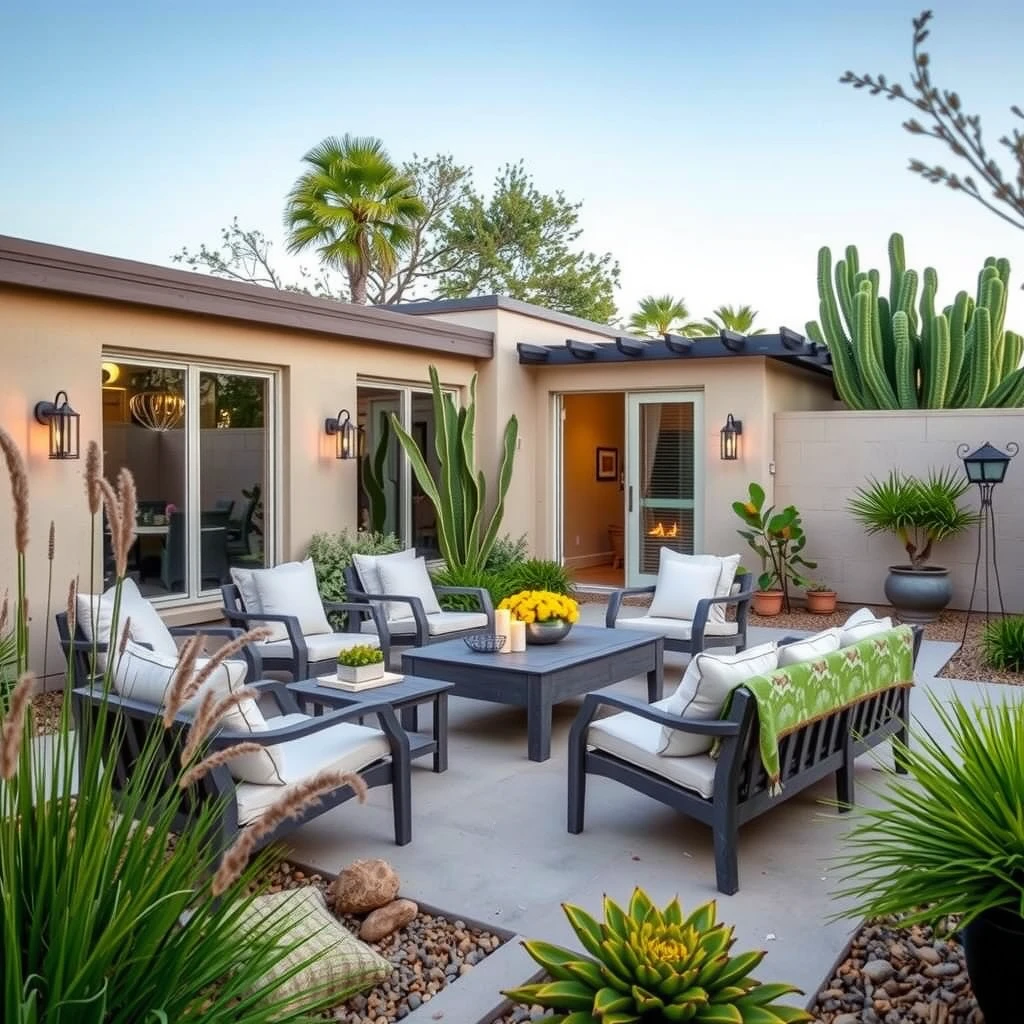
While you’re making your home more water-efficient, consider updating your outdoor space with eco-friendly choices.
Top 10 Eco-Friendly Home Improvement Ideas
- Solar-powered outdoor lighting
- Patio furniture for all-weather conditions made from recycled plastic
- Rain barrels for garden irrigation
- Native, drought-tolerant plants
- Permeable pavers for driveways
- Composting system
- Low-flow outdoor faucets
- Greywater irrigation systems
- Energy-efficient ceiling fans
- Sustainable patio furniture options (recycled, FSC-certified wood, or bamboo)
Quick Reference: Water-Saving Upgrades Comparison
| Upgrade | Average Annual Savings | Approx. Cost | Payback Time |
|---|---|---|---|
| Low-flow showerhead | 2,700 gallons | $20–$50 | < 6 months |
| WaterSense toilet | 13,000 gallons | $150–$300 | 1–2 years |
| Faucet aerators (2–3) | 1,500–2,000 gallons | $5–$15 each | < 3 months |
| Rain barrel (50 gal) | 1,000+ gallons | $100–$200 | 1–3 years |
| Smart irrigation controller | Varies (up to 30%) | $150–$400 | 1–3 years |
Personal Experience
When my family installed WaterSense fixtures and started timing showers, our water bill dropped 38% in the first year. The biggest surprise? We didn’t notice any difference in water pressure or comfort. The changes felt natural after just a few weeks.
Final Thoughts
Reducing water usage doesn’t mean living uncomfortably. Simple swaps and mindful habits can cut your consumption dramatically while saving money and helping the environment.
Start with one or two changes this week. You’ll likely see results on your next bill.