



Featured Post
The Importance of Ergonomics in the Workplace
Prolonged sitting and poor setups lead to aches, fatigue, and lost productivity. The Importance of Ergonomics in the Workplace changes this story. Proper setups align your body with tasks, easing strain and helping you stay focused longer. This guide covers everything you need to create healthier workstations at home or in the office.
Many people spend hours at a desk every day. Without the right setup, your back, neck, and shoulders pay the price. Ergonomics fixes that by designing everything to match your body. The result? Fewer injuries, more energy, and better focus. You finish tasks faster and enjoy your workday more.
I have seen friends struggle with constant neck pain from hunching over laptops. Others feel exhausted by 3 p.m. even after eight hours. These stories are common. When I started applying simple ergonomic fixes, my energy levels jumped and my pain disappeared. That is the real power of ergonomics.

Why does this matter so much? Research shows ergonomic injuries make up about 33 percent of all workplace injuries in the United States. The good news? Small changes deliver big results. You can cut pain dramatically and boost output.
According to OSHA, ergonomics reduces muscle fatigue and helps prevent musculoskeletal disorders. Studies confirm that effective setups cut lost workdays by up to 88 percent and lower staff turnover by 87 percent. The numbers tell a clear story.
Personal stories prove the point. One colleague who switched to an adjustable desk reported zero shoulder pain after years of complaints. Another team cut their injury claims by half within a year. These wins come from simple steps anyone can take.
Let's break down the core pieces. First, check your posture. Feet flat on the floor. Knees at a 90-degree angle. Back supported at the natural curve. Your arms should rest with elbows at about 90 degrees. When everything lines up, your body stays balanced.
Next, eye level counts. Your monitor should sit at the top of your screen or slightly below. This prevents your neck from tilting forward. I always adjust mine after lunch breaks. The difference feels huge.

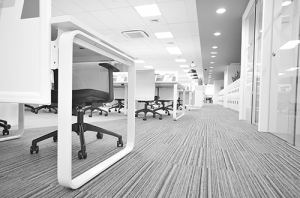
Now move to equipment. Office furniture for ergonomic workstations starts with smart choices in chairs and desks. Poor chairs force your body into awkward positions. Good ones support your spine and let you move naturally.
Choosing the Right Office Chair for Your Needs makes all the difference. Look for adjustable height, lumbar support, and armrests that let your shoulders relax. The seat should be firm yet cushioned. Depth should reach about 2 inches above the back of your knees.
I tested several chairs before finding one that fits my height perfectly. The lumbar support keeps my back happy even during long Zoom calls. My focus improved immediately. That chair became my new best friend.
Top Office Furniture Trends for Health and Comfort in 2026 lean toward flexibility and personalization. Height-adjustable desks top the list. Modular pieces let you rearrange space quickly. Biophilic elements like plants add calm to the air.
Sustainability also matters. Look for eco-friendly materials and recycled fabrics. These choices reduce waste and appeal to modern buyers who care about the planet. The furniture feels as good as it looks.

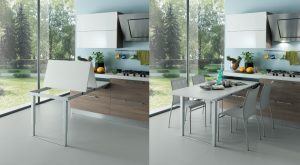
Standing Desks: Benefits and Tips bring movement into every workday. Standing for part of the day burns extra calories, improves blood flow, and reduces neck and back pain. Many people notice better posture and higher energy levels after just a few weeks.
I started with a 30-minute standing block each morning. The difference was noticeable by lunchtime. My afternoon slump disappeared. Tips help too. Alternate between sitting and standing every 30 minutes. Never stand for more than 30 to 60 minutes without sitting.
Proper setup turns a standing desk into a health tool. Adjust the height so your elbows stay at 90 degrees. Keep your monitor at eye level. Use a footrest if needed. These small adjustments prevent new problems.
Here is a quick checklist you can use today:
- Feet flat on the floor with good support
- Knees at 90 degrees
- Back supported by chair or desk edge
- Elbows at 90 degrees when typing
- Monitor at eye level
- Take breaks every 20 minutes
- Stretch during breaks
Office furniture for ergonomic workstations includes all these pieces working together. Add a keyboard tray for straight wrists. Use a footrest for comfort. These extras complete the picture.
Action steps make everything real. Start small. Measure your current setup. Then adjust one piece at a time. Track how you feel after two weeks. Most people see improvements quickly.
I recommend trying a sit-stand desk if your budget allows. Many offices already have them. If not, a simple under-desk treadmill or height-adjustable option works wonders. The health wins justify the investment.
In the end, The Importance of Ergonomics in the Workplace goes beyond comfort. It protects your body, supports your mind, and helps you perform at your best. Small daily habits create lasting change.
Summary time. Ergonomics fits your job to your body. It cuts pain, boosts energy, and raises productivity. Start with your chair and desk. Add movement. Watch the results.
Ready to improve? Grab your checklist and begin today. Your future self will thank you.