


Featured Post
Mastering Home Organization on a Budget
Mastering home organization on a budget is easier than most people think. You do not need fancy containers or expensive systems. With a few smart choices and some creativity, you can create a tidy, calm home that works for your family. This guide shares real-life methods I have used in my own house and in homes of friends who also watch their spending.

I learned the value of mastering home organization on a budget the hard way. After moving into our first home with two small children, chaos took over quickly. Toys covered the floor, mail piled on every surface, and I felt overwhelmed every time I walked through the door. That experience pushed me to find affordable solutions that actually last.
The good news? You can achieve beautiful order without a big budget. The secret lies in choosing furniture that works hard and using everyday items in clever ways. Let me walk you through the steps that helped me and many others transform cluttered spaces into peaceful homes.
Start With a Clear Plan
Before you buy or move a single item, take time to assess your space. Walk through each room with a notebook. Write down what bothers you most. Is it the overflowing kitchen counter? The entryway that swallows shoes and coats? The bedroom where clean clothes never seem to make it into the closet?
This simple step prevents you from wasting money on solutions for problems you do not actually have. Many people buy pretty baskets only to realize later they needed better drawer dividers instead.
According to organizing expert Marie Kondo, focusing on what sparks joy helps guide these decisions. But even without following her full method, the idea of keeping only what you use and love applies perfectly when you are mastering home organization on a budget.
Choose Furniture That Works Hard
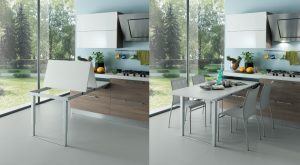
One of the smartest investments when organizing on a budget is learning how to decorate with furniture that works hard. This means selecting pieces that offer storage while looking good in your space.
Look for ottomans with hidden storage, coffee tables with drawers, or beds with lift-up frames. These items serve double duty. They provide seating or surface space while hiding the clutter that would otherwise sit out in the open.
In our living room, we replaced a basic coffee table with a large storage ottoman. It holds all the blankets the kids use during movie nights. When guests come over, we simply close the lid and the room looks neat instantly. The best part? We found it at a thrift store for under thirty dollars.

Bookshelves offer another great example. Instead of using them only for books, add attractive baskets on the lower shelves to hide toys, electronics, or extra blankets. The vertical space gives you lots of storage without taking up much floor area.
The Power of a Good Sideboard
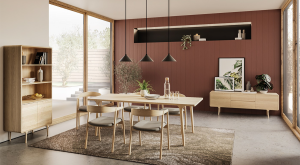
A sideboard might be one of the most useful pieces of furniture for any home. Whether you place it in your dining room, entryway, or living area, it offers both storage and display space.
When we first bought our sideboard, I had no idea how much it would help us stay organized. Now it serves as the command center for our entire household. The wide top holds a lamp and a few decorative items while the cabinets below hide our most-used serving dishes and table linens.
Sideboard Organization Tips and Tricks
Here are my favorite sideboard organization tips and tricks that cost almost nothing to implement:
-
Use trays to create zones. I bought two wooden trays at a dollar store. One holds our mail and keys. The other displays a small plant and candles. This simple trick makes the top of the sideboard look intentional instead of cluttered.
-
Add shelf liners. Cheap contact paper or even wrapping paper can make the inside of cabinets look clean and protect your items from scratches.
-
Install adhesive hooks inside cabinet doors. These hold measuring cups, pot holders, or reusable bags. The inside of the doors is valuable real estate many people ignore.
-
Use clear containers. You do not need fancy labels. Simple clear plastic bins from the dollar store let you see what is inside without opening every box.
-
Create a charging station. Drill a small hole in the back of one cabinet (if you feel comfortable doing so) or simply run cords through the back. Keep all chargers in one drawer so they do not create visual clutter on the surface.
These sideboard organization tips and tricks transformed our most visible piece of furniture from a catch-all into a functional and attractive part of our home.
Budget-Friendly Storage Solutions
You do not need to shop at expensive organizing stores. Some of the best solutions come from unexpected places:
- Shoe boxes wrapped in pretty paper make excellent drawer dividers
- Mason jars organize everything from office supplies to bathroom cotton balls
- Tension rods create extra shelves inside cabinets
- Command hooks offer removable storage anywhere you need it
- Hanging shoe organizers work great in closets or on the back of doors for cleaning supplies
I once created an entire pantry organization system using only items from the dollar store and things I already owned. The total cost was less than twenty dollars, but it looks like something from a magazine.

Create Systems That Last
The real secret to mastering home organization on a budget is creating systems that match how you and your family actually live. Beautiful setups that require too much maintenance will fail quickly.
For example, if your kids always drop their backpacks right inside the door, place a sturdy basket there instead of fighting their natural habit. Work with your routines rather than against them.
I also recommend the "one touch rule." Try to touch each item only once. When you bring in the mail, sort it immediately instead of placing it on the sideboard to handle later. When you take off your shoes, put them away right then. These small habits prevent piles from forming.
Room-by-Room Strategies
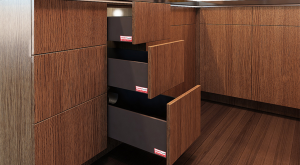
Kitchen: Use drawer dividers to keep utensils from becoming a jumbled mess. Hang pots and pans if you have the wall space. Store food in clear containers so you can see when supplies run low.
Bathroom: Install a simple over-the-toilet shelf unit. Use a magnetic strip inside the medicine cabinet to hold tweezers, nail clippers, and other small metal items.
Bedroom: Adopt the "one in, one out" rule for clothes. When you buy something new, donate or sell something you no longer wear. This prevents closets from overflowing.
Living areas: Create a nightly reset routine. Spend ten minutes before bed returning items to their homes. This keeps small messes from becoming big ones.
Maintaining Your Organized Home
Organization is not a one-time project. It requires regular attention. Schedule quarterly deep cleans where you reassess what is working and what needs adjustment.
I keep a small notebook in my kitchen drawer with notes about what systems work well and which ones need tweaking. This helps me remember what I learned instead of making the same mistakes repeatedly.
Remember that perfect organization looks different in every home. Your house should reflect your life, not an Instagram feed. Focus on creating spaces that help you feel calm and capable.
Mastering home organization on a budget has changed how our family lives. We waste less time looking for things. We argue less about messes. Most importantly, our home feels like a peaceful place where we actually enjoy spending time together.
Start small. Pick one area that bothers you most and apply these principles. Once you see the difference even small changes can make, you will feel motivated to tackle the next space.
The journey toward an organized home does not require lots of money. It requires thoughtfulness, consistency, and a willingness to choose furniture that works hard while implementing smart systems like these sideboard organization tips and tricks.
Your calmer, more organized home awaits. The best time to begin is today.
Summary
Mastering home organization on a budget comes down to smart choices rather than expensive purchases. Focus on selecting furniture that works hard, implementing practical sideboard organization tips and tricks, and creating systems that match your family's real habits. Small, consistent actions create lasting change without straining your wallet.