


Featured Post
Maximizing Space in Small Homes: Tips and Tricks
Small homes can feel limiting, but with the right approach, you can create comfort and functionality. This guide to Maximizing Space in Small Homes: Tips and Tricks offers practical advice on everything from choosing the right furniture to implementing Small Bathroom Storage Ideas. Drawing from personal experience, these strategies will help you love your small space.
I still remember moving into my first apartment after college. At just 650 square feet, it seemed impossible to fit all my belongings and still move around comfortably. But over time, I discovered that maximizing every inch was not about having less stuff. It was about choosing better solutions and organizing smarter. These lessons, learned through trial and error, form the backbone of the tips you will find here. Many of these ideas come from years of adjusting to tight urban living where every square foot counts.
Start by Evaluating Your Space
Before buying any new cabinet or furniture, take time to assess your current setup. Walk through each room with a notebook. Write down how you actually use the space throughout the day. Notice areas that collect clutter or feel difficult to navigate. Measure walls, floors, and existing furniture. A simple sketch of your floor plan can reveal opportunities you might miss when simply looking around.
This step helped me realize my large entertainment center blocked natural pathways. Replacing it with wall-mounted components freed up valuable floor space and made the whole room feel twice as large.

Choose Multifunctional Furniture
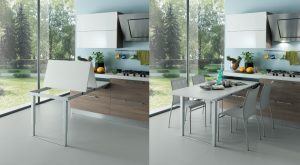
One of the most effective approaches to Maximizing Space in Small Homes: Tips and Tricks involves selecting furniture that works harder for you. Why settle for a bed that only serves one purpose when you can choose one with built-in drawers underneath? These innovations in furniture design have truly changed how people live comfortably in compact homes.
The coffee table in my current living room lifts up to reveal ample storage for board games, extra pillows, and remote controls. When friends visit, it easily converts into a dining surface. This single piece of furniture replaced a separate dining table and storage unit I used to own. Look for quality pieces with hidden compartments, expandable features, or modular designs that adapt as your needs change over time.
Consider these popular options that deliver excellent results:
- Storage ottomans that provide seating, serve as footrests, and hide blankets or seasonal items inside.
- Murphy beds that fold up against the wall during the day to create open floor space for activities.
- Nesting tables that you can pull out when needed and tuck away to save room.
- Bookshelves used as room dividers that separate spaces without permanent walls while offering storage on both sides.
Always measure carefully before purchasing any new cabinet or furniture. An item that does not fit properly creates more problems than it solves.
Make Use of Vertical Space
Walls provide tremendous opportunities that many people overlook in small homes. Installing floating shelves at various heights allows you to display meaningful items while keeping everyday essentials within reach. Tall, narrow bookcases draw the eye upward and make rooms feel taller and more spacious. In my small bedroom, adding shelves all the way to the ceiling nearly doubled my storage capacity without reducing walking space.
Do not forget the often ignored areas above doors and windows. These spots work perfectly for storing items you only need occasionally, such as holiday decorations or extra linens. Using your walls effectively reduces the need for bulky floor furniture and creates a more open feeling throughout your home.
In bedrooms, tall wardrobes with multiple compartments often work better than wide, short dressers. In living rooms, choose furniture with exposed legs. This creates more visual space underneath the pieces and prevents the room from feeling crowded. The right cabinet choices affect both your storage capacity and the overall feeling of openness in your home.
Small Bathroom Storage Ideas
Bathrooms in small homes often lack sufficient storage, creating daily frustration. Fortunately, many Small Bathroom Storage Ideas can transform these tight spaces. Consider installing a recessed medicine cabinet to gain storage without protruding into the room. Adding shelves above the toilet provides space for extra towels, toilet paper, and decorative plants that improve the atmosphere.
Using the inside of cabinet doors with adhesive hooks or small racks keeps hair tools, cleaning supplies, and other frequently used items organized and easy to find. These simple changes can make a tiny bathroom feel much more functional.
Here are additional effective solutions that have worked well for me and others:
- Over-the-door hanging organizers perfect for storing bottles, brushes, and spare towels without taking floor space.
- Magnetic strips mounted on walls to hold small metal tools like tweezers, clippers, and bobby pins.
- Tiered corner shelves that make use of awkward angles most people ignore.
- Under-sink pull-out drawers designed to fit around plumbing pipes for maximum efficiency.
In my tiny bathroom, combining a large mirror cabinet with a multi-tier shower caddy eliminated countertop clutter completely. The key is using every available surface and thinking vertically rather than horizontally.

Organizing Tips for Cabinet Furniture
Mastering organizing tips for cabinet furniture can dramatically improve how your home functions on a daily basis. Start by completely emptying each cabinet and drawer. Thoroughly clean all surfaces and consider adding shelf liners for easier future cleaning. Sort every item into three piles: keep, donate, and discard. Be honest with yourself about what you truly use.
Group similar items together and store them near where you will need them. For example, keep all baking supplies in one kitchen cabinet near the mixing bowls. Use baskets, bins, and clear containers to keep small objects from scattering. For deep kitchen cabinets, install pull-out trays or install a lazy Susan in corner units to reach items in the back without removing everything in front.
A simple system that delivers consistent results includes these steps:
- Place most frequently used items at eye level for easy access.
- Use clear containers so you can quickly see contents without opening them.
- Add hooks or small racks to the inside of cabinet doors for extra storage space.
- Create labels for shelves and containers to maintain order long term.
I learned these organizing tips for cabinet furniture the hard way after repeatedly buying duplicate spices and condiments because I could not see what was hidden in the back of my cabinet. My current system now saves both time and money while reducing frustration.
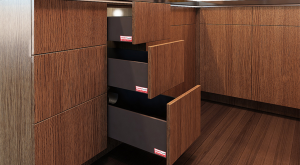
For deeper cabinets, consider adding carousel organizers or sliding basket systems. These simple additions often increase your usable storage by nearly half. When selecting new cabinet furniture, look for designs with built-in organization features like divided drawers or adjustable shelving. The initial investment pays for itself through better daily function and reduced clutter.

Create Illusions of Space
Colors, lighting, and mirrors play crucial roles in how large your home feels. Light neutral colors on walls reflect more light and create an airy feeling. Strategic mirror placement opposite windows can effectively double visual space by bouncing light throughout the room. Avoid heavy dark colors that tend to make small rooms feel even smaller.
Add lighting at multiple levels including floor lamps, table lamps, and overhead fixtures. This layered approach creates depth and prevents dark corners that shrink a space visually. As explained in resources from Harvard Health Publishing on the benefits of organized living spaces, reducing visual clutter through smart organization contributes significantly to a sense of calm and well-being.
The Cornell University Cooperative Extension offers excellent guides on using design elements like plants and strategic layouts to enhance small living areas, and many of these principles translate beautifully to interior spaces. Another valuable resource comes from the American Society of Interior Designers, which provides research-backed insights on small space design principles that extend far beyond basic tips.
The U.S. Department of Housing and Urban Development also notes that thoughtful design in compact homes improves both livability and long-term satisfaction for residents.
Develop Good Habits for Lasting Results
Maximizing Space in Small Homes: Tips and Tricks requires ongoing commitment rather than one-time changes. Make it a daily habit to return items to their proper places immediately after using them. Consider adopting a one-in, one-out rule when purchasing new belongings to prevent accumulation. Schedule regular reviews of your storage areas every three months to release items you no longer need.
These habits might seem small individually, but together they maintain the hard-won space you have created. Involve all household members in the system so everyone respects the organization methods. When everyone participates, the entire home stays functional and peaceful.
In conclusion, small homes offer a wonderful chance to live more intentionally with less distraction from excess possessions. By selecting versatile furniture, implementing smart storage solutions like our Small Bathroom Storage Ideas, applying effective organizing tips for cabinet furniture, and using design tricks that enhance perceived space, you can create a home that supports your lifestyle instead of constraining it. Start with one small project that bothers you most. Celebrate your progress along the way, and soon you will enjoy an efficiently designed space that feels surprisingly roomy and calm.
The strategies shared here have worked for me through several moves into increasingly smaller homes. With some creativity, consistent systems, and the willingness to adapt traditional approaches, your compact living space can become a model of efficiency that visitors admire and envy. The real reward comes when your home supports your daily activities without creating constant stress about where to put things.