


Featured Post
Minimalist Design Ideas for Maximizing Small Spaces: The Ultimate Guide
Small spaces don't have to feel cramped or chaotic. Minimalist Design Ideas for Maximizing Small Spaces prove that less really is more. By focusing on simplicity, smart storage, and thoughtful layouts, you can turn tight rooms into peaceful, organized havens. This ultimate guide shares actionable strategies, personal insights from real homes, and expert-backed advice to help you create a space you'll love waking up to every day.

I remember my first tiny apartment years ago. The walls closed in fast, and my belongings took over. Switching to minimalist principles changed everything. I decluttered, chose smart pieces, and suddenly the room breathed. Today, I help friends do the same. The benefits stack up fast when you embrace simplicity.
The Benefits of Minimalist Design
Minimalist design in small spaces delivers powerful results. Less clutter means easier cleaning and more time for what matters. Studies show it reduces stress and boosts focus. In compact homes, these ideas make every inch count.
Key perks include: - Calmer environment: Fewer items lower cognitive overload and promote mindfulness. - Energy savings: Simple layouts use less lighting and heating. - Sustainable living: Quality pieces last longer, cutting waste. - Visual openness: Light colors and open layouts make rooms feel larger.
Real talk: I once tried a cluttered setup in my first place. The stress? Constant. Now, a clean space feels peaceful. If you struggle with small spaces, start small—remove one item at a time. Watch the difference.
Core Principles of Minimalist Design for Small Rooms
Keep it simple: Neutral colors like soft beige, gray, or white make rooms feel airy. Use natural light to brighten spaces. Focus on multi-use furniture. These choices create flow and calm.
Pro tip: Measure your room first. Note windows, doors, and outlets. Then plan storage around them. This keeps the design practical and beautiful.
Compact Furniture Solutions: Maximizing Space with Armoires
Armoires stand out as compact furniture solutions. They hide clothes, linens, or even a desk inside while taking up less floor space than a full dresser. Choose tall, narrow ones for vertical storage.
In my apartment, a light oak armoire replaced two bulky pieces. It freed the floor and added charm. Look for sliding doors to avoid swing space issues. These solutions prove compact furniture can handle heavy needs without crowding your home.
Wardrobe Design Trends for 2023
Wardrobe design trends for 2023 emphasized functionality and light aesthetics. Sliding door models, full-height builds, and multi-function pieces dominated. Clean lines, mirror panels, and neutral finishes made rooms look bigger.
I updated my wardrobe with a sliding-door model. Suddenly, my small bedroom felt twice as open. These trends focus on vertical space and easy access—perfect for tight quarters.
The Ultimate Guide to Choosing the Right Wardrobe for Your Home
Choosing the right wardrobe matters more than you think. Start with measurements: wall width, ceiling height, and clearance. Prioritize tall, narrow designs (24-30 inches wide) for small spaces.
Internal config counts: Look for hanging rails, adjustable shelves, and drawers. Solid wood lasts longer than particleboard. Sliding doors suit tight rooms best. This guide ensures your wardrobe serves every need without overwhelming your layout.

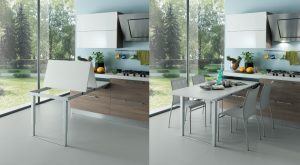
Beyond wardrobes, layer in other compact furniture solutions. Under-bed storage boxes, foldable tables, and vertical shelving units work wonders. Pair them with mirrors to reflect light and double perceived space.
I added a slim nightstand with hidden drawers. The room now holds more without looking full. These ideas draw from real experiences where every choice mattered.
Step-by-Step: How to Create a Minimalist Space
Follow these easy steps: 1. Declutter ruthlessly—only keep what you use. 2. Choose light, neutral colors. 3. Select multi-use pieces like armoires. 4. Use vertical storage to free floor space. 5. Add mirrors for illusion. 6. Keep surfaces clear. 7. Test everything in place. 8. Maintain with simple routines.
Start small. Pick one area to tackle first.
5 Essential Tips for Success
- Use light colors and reflective surfaces.
- Invest in quality over quantity.
- Organize with clear labels.
- Blend functionality with style.
- Reassess every few months.
These tips turn small spaces into serene sanctuaries.
Summary
Minimalist Design Ideas for Maximizing Small Spaces transform cramped rooms into calm, functional havens. From compact armoires to smart wardrobes, these approaches deliver real benefits: less stress, more space, and sustainable living. Apply the principles, follow the guide, and watch your home thrive.
