



Featured Post
The Ultimate Guide to Office Furniture with Adjustable Features
Modern offices demand more than just desks and chairs. They need setups that adapt to your body, your schedule, and your goals. Office furniture with adjustable features gives you that flexibility. You can tweak height, angle, and support on the fly so every hour feels better and more productive. In this guide you will learn exactly how these features help, what to look for, and how to create a space that truly fits you.

You wake up already thinking about your day. But once you sit down, your body starts to protest. That tightness in your shoulders, the lower back ache, the slumped posture — all signs that your setup is not doing its job. Office furniture with adjustable features solves this by letting you change everything so it supports your natural shape. The result? Less pain, more energy, and work that flows better.
Personal story: Last year I spent six months on a new job in a fancy building. My chair looked great but felt terrible. By week four my neck hurt and my focus dropped. Then I bought an adjustable office chair with lumbar support and a footrest. Within two weeks the headaches vanished and my afternoon productivity jumped. The lesson was clear — adjustable features are not a luxury; they are a necessity for anyone who sits more than six hours a day.
What does adjustable really mean? It goes far beyond a basic chair. You can change seat height, tilt, back angle, armrest position, and even add a footrest or monitor arm. Some pieces even let you switch between sitting and standing. This range of movement keeps your body in its ideal position without forcing you to fight the furniture.
Start with the chair. An adjustable office chair should let you customize the seat height so your feet rest flat on the floor. Your thighs should be parallel to the ground and your knees at about a 90-degree angle. Too high and you hunch. Too low and you slouch. Adjustable armrests keep your shoulders relaxed and prevent strain on your arms. Many models now include lumbar support that you can inflate or add panels to — perfect for people with different body shapes.
The backrest is equally important. Adjustable back angles let you lean slightly forward or pull upright, helping you maintain a neutral spine. You can also adjust the headrest height and angle so it supports your head without pulling your neck forward. Footrests are a game-changer too. When your legs are free to stretch, circulation improves and overall fatigue drops.
Desks play just as big a role. A height-adjustable desk lets you switch from sitting to standing in seconds. The American Heart Association recommends alternating between positions every 30 minutes. With an adjustable desk you can stand while typing, sit while reading, or even add a treadmill under one — creating a true active workstation. Many users report better focus and 15 percent higher energy levels after adopting this habit.
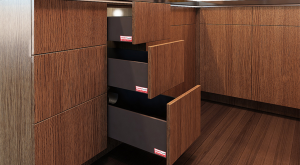
Lighting and monitors deserve attention too. Adjustable monitor arms keep your screen at eye level, reducing neck strain. Some chairs now include built-in USB ports or wireless charging so you can plug everything in without standing up. Storage options — like adjustable shelving on your desk or under-desk drawers — keep your workspace organized so you never waste time hunting for a pen.
Choosing the right pieces takes some thought. First measure your body. Sit in a normal chair at your desk and note your seat height, shoulder height, and eye level. Then look for chairs and desks that match those numbers with clear adjustment ranges. Read the specifications. Look for certification marks like BIFMA or GREENGUARD that confirm the furniture meets safety and health standards. Read recent user reviews on sites such as Wirecutter and Consumer Reports for real-world feedback.
Budget matters, but quality counts more. A $200 adjustable chair may not last six months. Save for a mid-range option with strong materials and smooth mechanisms. Many brands now offer 5- to 10-year warranties. If you work in a hybrid setup, invest in pieces that travel easily between home and office. Modular systems let you add or remove modules without buying new furniture every year.
Maintenance is simple. Wipe down mesh chairs with a damp cloth. Lubricate metal adjustments once a year. Keep cables tidy so nothing gets caught in mechanisms. When you rotate your seating, you can often use the same chair at home or in a meeting room. This flexibility saves money and space.
The bigger picture: healthy habits. Adjustable office furniture with adjustable features supports movement, which studies show can cut down on repetitive strain injuries by up to 50 percent. It also encourages better posture and focus, two things that directly affect your career and happiness. For many people the change feels almost magical — the kind of small upgrade that quietly improves everything else in life.

Now imagine your workspace working for you instead of against you. Office furniture with adjustable features turns a standard desk into a personalized zone. You control the variables that matter most — height, angle, support — so your body and mind stay aligned. The result is longer hours of work without fatigue, deeper focus, and a space you actually love returning to each day.
Quick checklist before you buy: - Check seat height for 90-degree knee angle - Test armrest reach without shoulder strain - Adjust backrest for neutral spine - Add footrest if your legs hang - Confirm smooth, quiet adjustments - Look for easy-clean materials

Start small. Pick one piece first — perhaps an adjustable chair — and live with it for a month. Then add the desk or monitor arm. The incremental approach helps you see what truly improves your days. Many people find that after three months their energy and output have risen noticeably.
Finally, remember that adjustable features are about control. You are not stuck with one rigid position all day. You decide how to move, sit, and stand based on your needs. That freedom changes the way you approach work, the way your body feels, and even the way you think about the space where you spend most of your waking hours.