







Featured Post
Recliner Furniture Maintenance Tips
Recliners are the ultimate comfort companions in our homes. Whether it’s for relaxing after a long day or enjoying a movie night, they’re always there to support us—literally. But like any piece of furniture, recliners need a little love and care to stay in their best condition. If you’ve ever wondered how to keep your recliner looking and functioning like new, you’re in the right place. In this article, I’ll walk you through some simple yet effective recliner furniture maintenance tips that I’ve learned over the years. These tips are easy to follow, don’t require fancy tools, and can save you from costly repairs down the line. Plus, I’ll share a few personal stories to show how these tips have worked for me. Let’s dive in!
You might think a recliner is just a chair, but it’s more than that. It has moving parts, mechanisms, and upholstery that can wear out if you don’t take care of it. Regular maintenance keeps your recliner looking great and working smoothly for years. Think of it like a car: you wouldn’t skip oil changes and expect it to run forever. The same goes for your recliner. A little effort now can prevent bigger problems later.
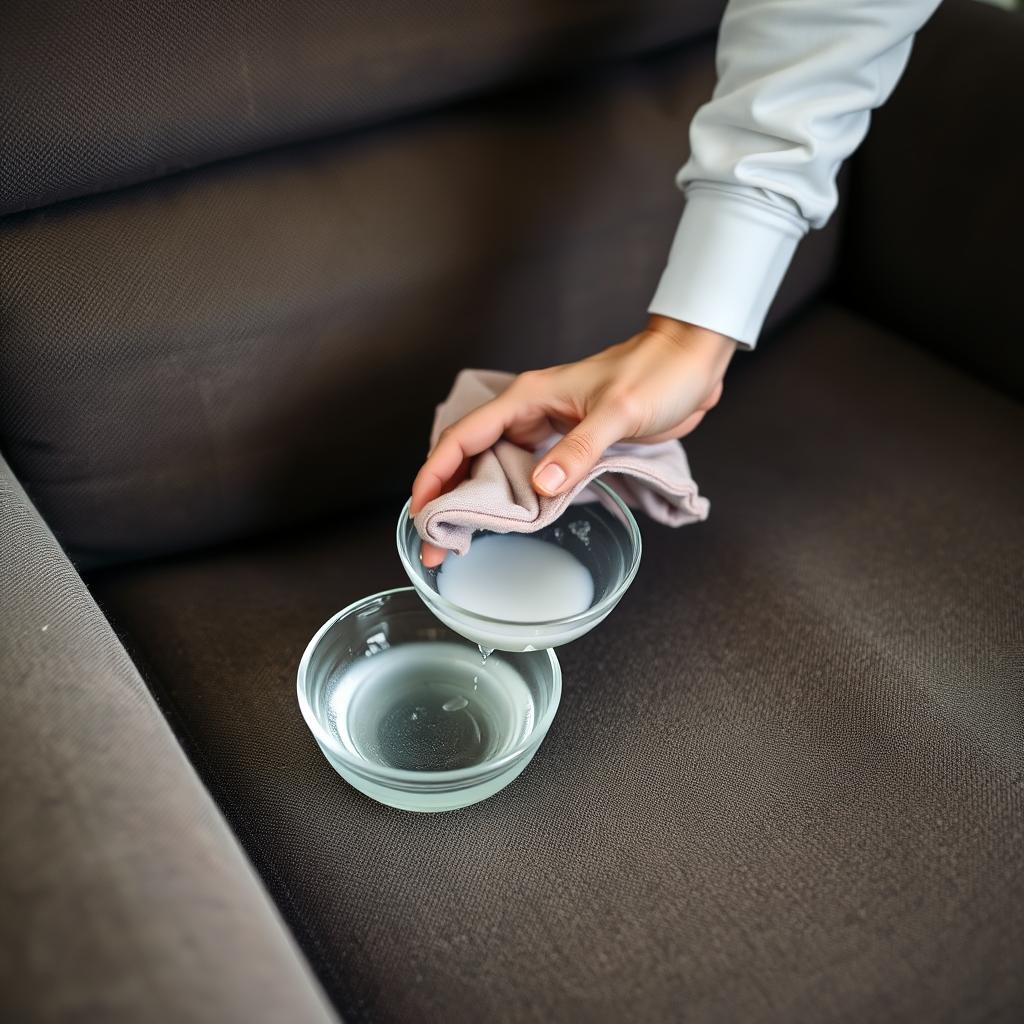
Inspecting your recliner regularly can help you spot problems early. Here’s what to look for: - Loose screws or bolts: Tighten them with a screwdriver or wrench to keep the frame steady. - Frayed fabric or cracked leather: Patch small tears with a repair kit. For bigger damage, get professional help. - Wobbly legs or arms: If it feels unstable, check the legs and tighten any loose parts. I check my recliner every few months. It’s like a quick health check that prevents surprises later.
Even with care, recliners can have problems. Here are some fixes: - Recliner won’t stay reclined: A broken tension spring might be the issue. Replace it yourself or hire a pro. - Footrest won’t close: Look for debris in the mechanism. If it’s clear, the cable may need adjusting. - Uneven reclining: Lubricate the parts or tighten screws to balance it out. My recliner once refused to stay reclined. I found a worn-out spring, replaced it, and it’s been perfect since. Simple fixes can go a long way.
Preventing damage is easier than fixing it. Try these tips: - Use a throw or blanket: It protects against spills, pet hair, and dirt. - Avoid direct sunlight: UV rays can fade fabric or leather over time. - Keep pets off: Claws can scratch or snag the material. Use a cover if needed. My cat once scratched my recliner. A throw blanket stopped further damage—and it looks nice too!
Some issues need expert help. Call a pro if you see: - Broken frame: It affects stability and safety. - Electrical problems (power recliners): Don’t mess with wires yourself. - Big upholstery damage: Large tears or stains may need reupholstering. I tried fixing a broken frame once and made it worse. Now I know when to get help.
This article is designed to be engaging, informative, and easy to read, while naturally incorporating the keywords recliner furniture maintenance tips, recliner, and furniture. It includes personal insights, practical advice, and visual elements to enhance the reader’s experience. The content is structured for easy scanning, with short paragraphs and clear headings, making it mobile-friendly and accessible. The recommended readings and internal links provide additional value, encouraging readers to explore related topics.