


Featured Post
Set Up a Home Office in Any Space: Essential Furniture Pieces for a New Home
Setting up a home office in any space is easier than you think. Whether your area is a small corner or a full bedroom, you can create a focused workspace that boosts productivity and reflects your personal style. This guide shares simple steps, real insights, and the essential furniture pieces for a new home that turn any room into a professional yet cozy environment.

Many people worry that a small space means cramped quarters or poor setup. But with smart planning, you can achieve a functional home office that feels expansive. Start by measuring your available area and deciding how you want to use it. Some days you might work standing, others seated with your feet propped up. The key is flexibility and comfort from day one.
Your new home office does not have to compete with your bed or living area. Instead, blend the two. A shared space can feel inviting rather than isolated. Think about natural light, easy access to your bed for quick breaks, and simple storage that keeps things tidy. In my experience after setting up multiple home offices, the biggest wins come from prioritizing ergonomic pieces that support long hours and pairing them with everyday items you already own.
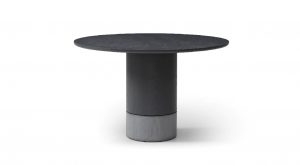
One of the first steps is to secure essential furniture pieces for a new home. These foundational items create stability and comfort without overwhelming your space. Start with a desk that fits your needs, whether it is a compact model or one that doubles as a writing surface. Pair it with an adjustable chair to keep your posture happy during long sessions. Add basic lighting and power management tools to complete the foundation.
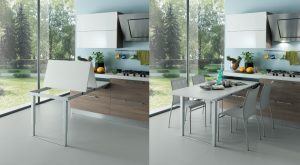
For smaller areas, consider multi-functional furniture that serves both work and relaxation. A rolling desk cart lets you move the workspace to your bed or couch on busy days. This approach keeps things simple and budget-friendly while still delivering professional results. Remember, quality matters more than quantity in a new home setup. Invest in pieces that last and adjust as your needs change.
Lighting plays a huge role in any home office, especially when space is limited. Natural light from windows makes a big difference, but supplement it with adjustable desk lamps. Position your monitor at arm's length and about an arm's length below eye level to reduce strain. Good lighting helps you focus and stay alert, especially during evening work sessions.
Now let's talk about power and connectivity. A surge protector with multiple outlets keeps your devices safe and organized. If your space is tight, use cable management clips to hide wires under the desk. This creates a clean look and prevents tripping hazards. Many people overlook this step until cables start getting tangled, but it makes a surprising difference in daily flow.
Your bed can become part of the setup rather than an obstacle. Many successful home offices blend work and rest in the same room. Use a screen divider or simple curtain to separate zones when needed. This way, your bed stays a comfortable retreat after work hours while your desk zone stays dedicated. It feels natural and reduces the need for extra rooms in the house.
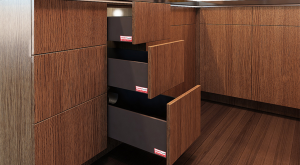
When space is truly limited, vertical storage solutions shine. Wall-mounted shelves or under-desk organizers free up floor space and keep documents and supplies within reach. For a new home, look for adjustable shelves that grow with you. These pieces help maintain a tidy environment and make it easy to find what you need quickly during focused work blocks.

Ergonomics matter a lot for long-term comfort. Your chair should support your lower back with adjustable lumbar support and armrests at the right height. Feet should rest flat on the floor or a simple footrest. If your setup includes standing, alternate between sitting and standing to avoid fatigue. These small adjustments lead to better focus and fewer aches after hours at the desk.
In a shared home environment, consider noise and privacy. Headphones with noise cancellation or a simple acoustic panel on the wall can help when others are around. For the bed area, choose quiet curtains or a partition that blocks sound but still looks stylish. These details make the space feel intentional and comfortable for everyone.
Color and style add life to any home office. Choose a desk in a wood tone that matches your existing furniture. For the chair, pick neutral fabric in colors that complement your bed bedding. Keep accessories minimal but meaningful – a small plant, a favorite photo frame, or a desk lamp with warm bulbs. These touches turn a functional space into one you actually enjoy spending time in.
Don't forget supplies and organization. A simple file holder for papers, a wireless charger for your phone, and a comfortable lap desk for laptop use on the bed complete the picture. Start with basics and add as you go. Many people find that a well-organized desk reduces decision fatigue and makes every session more productive.
If your area has windows, position your desk to face the light. This natural illumination cuts down on eye strain and makes the room feel brighter. For no-window spaces, a bright desk lamp with multiple brightness settings works wonders. Test your setup early on and adjust based on how your eyes and body feel after a full workday.

Scale your setup as life changes. What works in a new home today might need tweaks later. A standing desk converter is a great starter because it is affordable and easy to move. As your needs grow, upgrade to a full standing desk. These flexible pieces support the shift between sitting and moving, which research shows improves health and creativity.
Many readers ask about incorporating their bed into the office. It is not only possible but often smarter. Use the bed as a casual break spot or for quick notes. Keep your main desk away from the bed to maintain separation. This balance helps you reset your mind after work and feel more energized for the next day.
Budget-friendly options exist for every home. Look for sales on basic desks and chairs from trusted brands. Combine affordable pieces with items you already own for a complete setup without breaking the bank. Focus on durability so you can enjoy your new home office for years.
Finally, test and refine your space. Spend the first week using the setup and note what feels right. Adjust lighting, chair height, or monitor angle until everything feels natural. A home office that fits your routine is the one you actually use every day.
Setting up a home office in any space is about creating balance, comfort, and flow. With the right essential furniture pieces for a new home and thoughtful use of your bed, you can build a workspace that supports both work and rest. Start small, stay flexible, and enjoy the freedom of a personalized office that fits perfectly into your life.