


Featured Post
Sideboard Organization Tips and Tricks: Create a Clutter-Free Furniture Solution
Sideboards serve as beautiful storage and display pieces in dining rooms, living spaces, or entryways, but chaos can ruin their charm. These sideboard organization tips and tricks help you transform your furniture into a neat, efficient system. Follow simple steps to keep items visible, accessible, and stress-free.
A sideboard offers flexible storage for dinnerware, linens, or everyday essentials. Without organization, it becomes a clutter magnet. These sideboard organization tips and tricks focus on real-world results like faster access and a cleaner look. I have tested these methods in my own home and noticed a huge drop in daily frustration within weeks.
Start with Decluttering
Before any organization, empty your sideboard completely. Lay out everything and sort items into three piles: keep, donate, and toss. Ask yourself: Does this item get used often? Does it belong here?
This step alone can cut your storage needs by 30 to 50 percent, based on common home management insights. In my experience, pulling out holiday dishes or rarely used serving trays reveals what truly serves you daily. Keep only items you reach for weekly, donate the rest, and remove broken or outdated pieces.
The result? A lighter, more pleasant sideboard that feels spacious and inviting.

Group Items into Logical Zones
Once decluttered, create zones based on your sideboard's function. Use the top surface for quick-access daily items like dinner plates and serving utensils. Lower shelves hold heavier pieces such as platters or seasonal dishes. Drawers suit flat items like napkins and cutlery.
Assign categories clearly:
- Dining Essentials: Plates, bowls, glasses, and utensils
- Table Linens: Napkins, tablecloths, and placemats
- Serving and Decor: Candles, coasters, and small vases
- Extras: Candles, matches, or tools for entertaining
This grouping prevents mixing and speeds up retrieval. Place frequently used items at eye level for easy access. Store less-used pieces higher or toward the back.
Choose the Right Storage Solutions
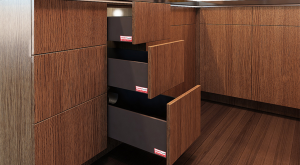
Invest in affordable organizers that fit your furniture. Drawer dividers keep utensils and small items separated. Shelf risers double vertical space on fixed shelves. Stackable bins or trays corral linens and decorative pieces while adding texture.
Here is a quick comparison of popular tools:
| Tool | Best For | Benefit |
|---|---|---|
| Drawer Dividers | Utensils and cutlery | Prevents mixing and keeps order |
| Shelf Risers | Plates and bowls | Creates extra layers without expanding footprint |
| Wicker Baskets | Linens and small decor | Adds warmth and hides contents |
| Pull-Out Shelves | Deep storage | Maximizes reach in tight spaces |
Measure twice before buying to ensure perfect fit. These simple additions turn your sideboard into a professional-looking storage solution.

Maximize Vertical Space and Access
Sideboards often sit low, so ignore height at your peril. Install adjustable shelves or use risers to create multiple levels. Hang hooks inside doors for lightweight aprons or small tools if your model allows.
Place everyday items within arm's reach. Group glasses by shape and size on open shelves—store upright with space between them to avoid scratches. For deep drawers, stack trays to create layers and prevent items from disappearing.
In small spaces, add tension rods behind doors to hold platters securely. These tricks can increase usable storage by 30 percent or more without adding floor space.
Maintain Order with Smart Habits
Organization is ongoing. Set a monthly 10-minute tidying routine. Follow the one-in, one-out rule: add a new item only after removing an unused one.
Label drawers and bins clearly so everyone knows the system. Use the 80/20 method—fill only 80 percent of each zone and leave room for growth. This prevents overflow and keeps your sideboard fresh.
I apply these habits now and my furniture looks professional yet practical. Your sideboard can do the same.
In summary, these sideboard organization tips and tricks turn furniture into a functional, beautiful feature. Start with decluttering, zone your items, and add smart storage. Your home will feel calmer and more organized right away. Follow through with maintenance, and enjoy years of easy use.
