



Featured Post
The Art of Minimalist Furniture in Classic Spaces - Elle Decor
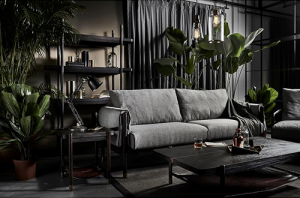
Minimalism brings calm and focus to traditional homes. This guide shares how to blend sleek lines and clean shapes with historic details for a peaceful, timeless space. You will learn practical steps to mix styles and choose colors that last.

Why Minimalist Furniture Works in Classic Spaces
Classic interiors often feel warm and detailed, yet minimalist pieces add quiet strength. You create balance when you pair heavy woodwork with light, functional lines. The result feels intentional rather than empty.
I once helped a couple with a 1920s colonial home. They had collected too many pieces and the rooms felt cluttered. After removing heavy curtains and adding a single clean sofa, the space opened up. Light now flows through, and every item has purpose. This shift taught me that less really can mean more.
Minimalist furniture also respects the architecture. Your molding and crown details stay the stars. Modern items serve as supporting players, letting the classic bones shine.
Timeless Color Palettes for Classic Interiors
Color sets the mood before furniture even enters the picture. Stick to neutrals and soft accents to keep the look timeless.
Start with warm off-white walls. They reflect light without screaming for attention. Add a touch of sage green or navy blue in throw pillows or cabinet fronts. These shades never go out of style and pair beautifully with both antique and modern pieces.
From expert sources, designers highlight that neutrals, blues, and greens form the most enduring base for classic homes. They feel calming and versatile no matter the season or trend. You can apply these ideas yourself by painting one accent wall in a soft green while keeping the rest neutral. The contrast stays gentle and elegant.
The Best Color Palettes for Classic Interiors
When you pick the best color palettes for classic interiors, focus on harmony and light reflection. Here is a simple guide I use in my own projects:
-
Warm Neutrals: Cream, beige, and soft taupe. These create a cozy background that highlights wood tones.
-
Cool Accents: Light blue or pale green for freshness. They feel fresh yet grounded.
-
Rich Touches: Deep navy or terracotta on built-in shelves. They add depth without overwhelming the room.
Test your choices with natural light. A paint sample on your wall will reveal how the color behaves throughout the day.
For more inspiration on timeless schemes, check out expert guides on creating a timeless color scheme that never dates. They offer real designer insights and practical examples you can copy.

Integrating Modern Furniture into Classic Interiors
Integration happens when you let modern and classic elements talk to each other. One modern lamp on an antique side table works wonders. The key is proportion and balance.
Start by measuring your space. A sleek glass coffee table beside a heavy sideboard creates visual interest without clutter. You can also use modern art on classic walls to add personality.
From established design resources, the Historic New England 20th Century Paint Palette offers proven color matches that work across eras. You can adapt these to your own walls for authentic yet fresh results.
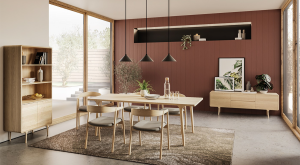
I recommend buying furniture that serves multiple purposes. A minimalist armoire doubles as storage and style. Place it against a wall in the dining room to hide clutter while adding height and character.
Why Minimalist Armoires for Modern Interiors Make Sense
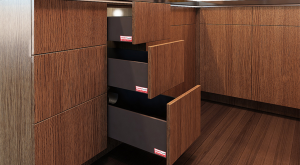
Minimalist armoires solve storage problems in stylish ways. Their clean lines and slim profile fit perfectly beside a classic fireplace or in a modern kitchen pantry.
Choose pieces with soft-close doors and hidden compartments. You keep the room looking tidy without hiding valuables. Many come in oak or white finish that complements both vintage and contemporary decor.
Search for minimalist armoires for modern interiors on trusted sites like Elle Decor. They feature pieces that blend restraint with function. You will find options that feel right in both old-world mansions and sleek apartments.
Practical Tips for Choosing and Arranging Minimalist Furniture
Follow these steps for success:
-
Clear the space first. Remove everything that breaks the flow.
-
Measure twice. Sketch your room on paper to test layouts.
-
Mix textures. Combine smooth metal with rough linen for depth.
-
Use mirrors to reflect light. They make small spaces feel larger.
-
Keep accessories minimal. One statement plant or sculpture works better than many small items.
These tips come from years of helping clients create homes they love. They work whether you live in a city loft or a country estate.
The Final Look: A Balanced Classic Space
The art of minimalist furniture in classic spaces lies in restraint and intention. You achieve harmony when modern simplicity supports rather than competes with heritage details. The result is a home that feels warm, organized, and forever fresh.
Take your time. Visit showrooms, test paint colors, and arrange pieces in your own living room before buying. Small changes create big differences.
Summary
Minimalist furniture brings calm to classic interiors when paired with thoughtful color choices and careful integration. You now have the tools to create a serene space that balances tradition and modernity. Start small, stay patient, and enjoy the process.
Recommended Readings
-
Timeless Color Palettes for Classic Interiors - Expert tips on enduring hues
-
20th Century Paint Palette by Historic New England - Authentic period colors
-
Is Minimalism Back? Here’s How Designers Define 2026’s Version - Current designer insights
-
Bohemian Minimalism Trend with Editor-Approved Finds - Unique piece ideas