



Featured Post
Top 10 Interior Design Hacks for Small Spaces
Quick Overview
Living in a small space doesn't mean sacrificing style or comfort. These Top 10 Interior Design Hacks for Small Spaces help you maximize every inch, create a welcoming vibe, and keep clutter at bay. Whether you're in a studio or compact apartment, these actionable ideas—drawn from real experiences—make a big difference.
Small spaces are more common than ever. With urban living on the rise, many people navigate tiny apartments where every square foot counts. The good news? Smart design turns limitations into opportunities. I've lived in several small places myself, and these hacks changed how I feel about my home daily.

1. Use Mirrors to Double Your Space
Mirrors are one of the simplest yet most powerful Interior Design Tips for Small Living Spaces. Place a large mirror opposite a window to bounce light around and create the illusion of depth. I once added a full-length mirror in my narrow hallway, and it instantly made the area feel twice as wide.
Pro tip: Avoid small, scattered mirrors—they can make things feel busy. Go big for maximum impact.
2. Embrace Vertical Storage
Stop thinking floor-only. Go up! Install tall shelves, wall-mounted cabinets, and hanging organizers. Maximizing Storage in Small Apartments often starts here. In my old studio, ceiling-high shelves held books and decor without eating up precious floor space.
This approach frees up room for movement and keeps things tidy.
3. Choose Multifunctional Furniture
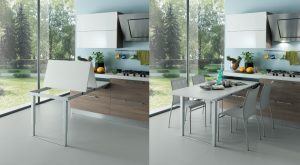
Every piece should do double duty. Think ottomans with hidden storage, coffee tables that lift into desks, or beds with drawers underneath. Research shows multifunctional furniture greatly improves space use in compact homes, as noted in studies on urban living solutions.
For deeper insights into how versatile pieces enhance small-space functionality, check this overview from Grand View Research on multifunctional furniture trends.

4. The Best Futon Styles for Small Apartments
Futons shine in tiny spaces. Look for sleek, armless designs or mid-century modern styles that look like real sofas by day. Convertible models with memory foam mattresses offer comfort without bulk.
Popular options include low-profile frames with adjustable backs. They fit perfectly in studios and make guest hosting easy.
5. Master Assembling a Futon Sofa Bed
Assembling a futon sofa bed is straightforward with most models. Start by attaching the frame sides, slide in the rails, then secure the backrest mechanism. It usually takes 30-60 minutes with basic tools. Always check the manual—some newer designs click together tool-free.
I've assembled a few over the years; patience pays off for smooth daily conversions.
6. Light Colors and Strategic Lighting
Paint walls in soft neutrals or whites to reflect light. Layer lighting with floor lamps, sconces, and LEDs. Avoid harsh overheads—they shrink the room. Warm bulbs create coziness without overwhelming.
7. Declutter Ruthlessly
Less stuff equals more space. Use the 'one in, one out' rule. Donate what you don't use. In small spaces, clutter magnifies fast. Regular purges keep things fresh and open.

8. Create Zones Without Walls
Use rugs, furniture placement, or open shelving to define areas in open layouts. A sofa can separate living from sleeping zones. This trick adds structure without closing off space.
9. Opt for Furniture with Legs
Pieces raised on legs let light flow underneath, making rooms feel airier. Swap bulky bases for slim, elevated ones. Designers often recommend this for visual expansion.
For more on how furniture choices affect perceived space, see these tips from Architectural Digest on small-space design hacks.
10. Add Greenery and Personal Touches
Plants bring life without taking much room. Hang them or use slim stands. Add a few meaningful items—art, photos—to make the space yours. Too many knick-knacks overwhelm, so edit carefully.
Wrapping It Up
These Top 10 Interior Design Hacks for Small Spaces prove you can thrive in compact living. Focus on light, multifunctional items, and smart storage to create a home that feels open and inviting. Start small—pick one or two ideas—and build from there. Your space will thank you!