







Featured Post
The Ultimate Guide to Eco-Friendly Home Decor
Eco-friendly home decor lets you create a stylish space while reducing waste and supporting the environment. This guide shares real steps to make sustainable changes that last.

The Benefits of Sustainable Living go beyond looks. Choosing items made from recycled or natural materials cuts down on pollution and saves energy. Many people notice lower utility bills after switching to energy-efficient lighting and insulation. You also support ethical companies that treat workers fairly. Small swaps like using organic fabrics add up to big changes over time.
Start with your walls and floors. Paint with low-VOC options to keep air clean. Choose rugs from natural fibers such as jute or wool instead of synthetic ones. These choices improve indoor air quality and feel better underfoot. I once replaced my old carpet with bamboo flooring and noticed the room stayed cooler in summer without extra air conditioning.
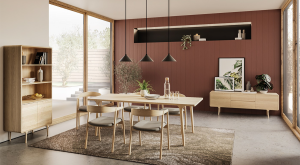
Furniture selection matters too. Look for pieces certified by groups like the Forest Stewardship Council. Avoid items treated with harmful chemicals. Reclaimed wood tables or chairs made from recycled plastic give character while keeping waste out of landfills.

Guide to Sustainable Patio Furniture Options helps you pick durable items for outdoor spaces. Search for brands that use responsibly sourced wood or recycled metals. These materials stand up well without needing frequent replacements.
Patio furniture for all-weather conditions should resist rain, sun, and wind. Choose frames from aluminum or teak that age gracefully. Add cushions covered in solution-dyed acrylic fabric that fades less in sunlight. A simple cover during storms extends the life of your set. Many families enjoy these setups for years with basic care like occasional cleaning.
Patio furniture made sustainably often includes modular designs. You can rearrange pieces as your needs change instead of buying new sets. This flexibility reduces overall consumption. Pair your furniture with native plants in the area to create a habitat for local wildlife.
Lighting and accessories complete the look. Install LED bulbs that use far less power than old incandescent ones. Hang mirrors to bounce natural light around the room. Select artwork printed on recycled paper or made from upcycled materials. These touches keep the space inviting without extra energy use.
In my own home, adding a few solar-powered outdoor lights made evenings on the patio more enjoyable while cutting electricity costs. The lights charge during the day and turn on automatically at dusk.

Textiles add warmth and color. Opt for sheets and throws made from organic cotton or hemp. These fabrics breathe well and last longer than cheap synthetics. Wash them in cold water to save energy and hang them to dry when possible.
To wrap up, making your home eco-friendly starts with thoughtful purchases and daily habits. Focus on quality over quantity and repair items when you can. The results feel good and help protect the planet for future generations.
Research shows that homes using sustainable materials often have better air quality and lower maintenance needs over time. Start small with one room and build from there.