



Featured Post
The Ultimate Guide to Mixing and Matching Furniture Styles
Mixing and matching furniture styles lets you create a home that truly reflects your personality. This ultimate guide walks you through simple steps to blend eras and designs without chaos. You will discover how to incorporate artistic furniture into your home and choose unique sofa shapes and designs that make every room feel special.

Why Mixing Furniture Styles Works So Well
Blending different furniture styles adds character to your space. Instead of sticking to one look, you create depth and interest. A room with only modern pieces can feel cold. Add a touch of vintage, and it suddenly feels lived-in and welcoming.
From my experience helping friends redesign their homes, the key is balance. You do not need to overhaul everything at once. Start small and build confidence.
Mixing styles also makes your home more flexible. Life changes, tastes evolve, and a mixed room adapts easier than a strict traditional or modern one. Plus, it lets you shop smarter by mixing new finds with thrift-store treasures.
Understanding the Main Furniture Styles
Before you mix, know the basics. Traditional styles feature ornate details, dark woods, and classic shapes. Modern furniture focuses on clean lines, neutral colors, and function.
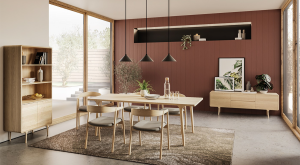
Boho brings in textures, patterns, and global influences. Industrial uses raw metals and exposed brick. Scandinavian keeps things light, simple, and cozy with natural woods.
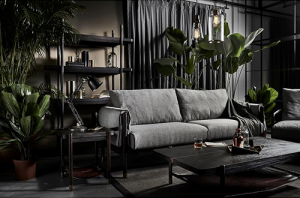
The beauty comes when you combine them. Pair a traditional sofa with modern side tables. Or add an industrial lamp next to a boho armchair. These contrasts create energy without clashing.
Key Principles for Successful Mixing
Follow three simple rules: balance, scale, and harmony. Balance means equal visual weight on both sides of a room. Scale ensures pieces fit your space without overwhelming it.
Harmony ties everything together through color or texture. Research from Stanford University shows that following interior design guidelines for furniture layout leads to more functional and pleasing rooms.
Stanford's interactive furniture layout system based on interior design guidelines explains how to arrange pieces so they feel natural. Use this idea when placing your sofa and other furniture.
Another strong tip comes from design experts at Rocky Mountain College of Art + Design. They note that mixing vintage styles with contemporary elements creates warmth and uniqueness in any interior.
Rocky Mountain College of Art + Design insights on the influence of vintage styles on contemporary interiors offers great examples of blending old and new for an eclectic yet balanced look.
How to Incorporate Artistic Furniture into Your Home
Artistic furniture turns a room from ordinary to extraordinary. Think sculptural chairs, handcrafted tables, or pieces with unexpected shapes. These items act as conversation starters.
Start by choosing one bold artistic piece as your focal point. Place it where people naturally gather, like near your sofa. Then build around it with simpler items.

One artistic piece I love is a ceramic side table shaped like a cloud. It adds whimsy without taking over the room. Pair it with clean-lined furniture for contrast.
Keep colors simple. Let the artistic furniture shine through unique form rather than bright colors.
Choosing Unique Sofa Shapes and Designs
The sofa often anchors a room. Standard rectangular sofas work fine, but unique sofa shapes and designs make a bigger impact.
Consider curved sofas for softness and flow. L-shaped modular designs let you rearrange as needed. Asymmetrical sofas add modern edge.
Look for sofas with unusual legs or tufted details mixed with sleek upholstery. A velvet sofa with tapered wooden legs blends traditional and modern perfectly.
When shopping, measure your space first. Unique sofa shapes and designs need room to breathe.

In one project, we replaced a basic sofa with a curved design. It instantly made the living room feel more inviting and tied together mismatched chairs.
Step-by-Step Guide to Mixing and Matching
- Pick a base style you love most.
- Choose two or three accent styles that share at least one element like color or material.
- Select your sofa first since it is the largest piece.
- Add smaller furniture to create layers.
- Use rugs and lighting to unify everything.
Test layouts with painter's tape on the floor before buying.
Common Mistakes to Avoid
Too many styles create visual noise. Limit yourself to three main looks. Ignoring scale makes rooms feel cramped or empty.
Skipping a color palette leads to chaos. Pick two or three colors and repeat them across pieces.
Real-World Tips from Experience
I once helped a couple mix their traditional family heirlooms with modern furniture. We kept the antique dining table and added sleek chairs. The result felt warm yet fresh.
Another time, artistic furniture transformed a bland office. A sculptural desk lamp and unique side chair made the space inspiring.
Experiment boldly but edit ruthlessly. Remove anything that does not feel right. Your home should make you smile every time you walk in.
Summary
The Ultimate Guide to Mixing and Matching Furniture Styles shows that rules are flexible. Focus on what you love, use balance and harmony, and let unique sofa shapes and designs plus artistic furniture tell your story. Your space will feel personal, welcoming, and full of life.