




Featured Post
Remote Work Wellness Essentials
A Quick Overview
Remote work offers freedom, but it comes with challenges like isolation and poor posture. In this /remote-work-health-guide, we dive into Remote Work Wellness Essentials to help you stay healthy and sharp. From smart setups to daily habits, you'll find practical steps to boost your well-being at home. (38 words)
Why Remote Work Wellness Matters
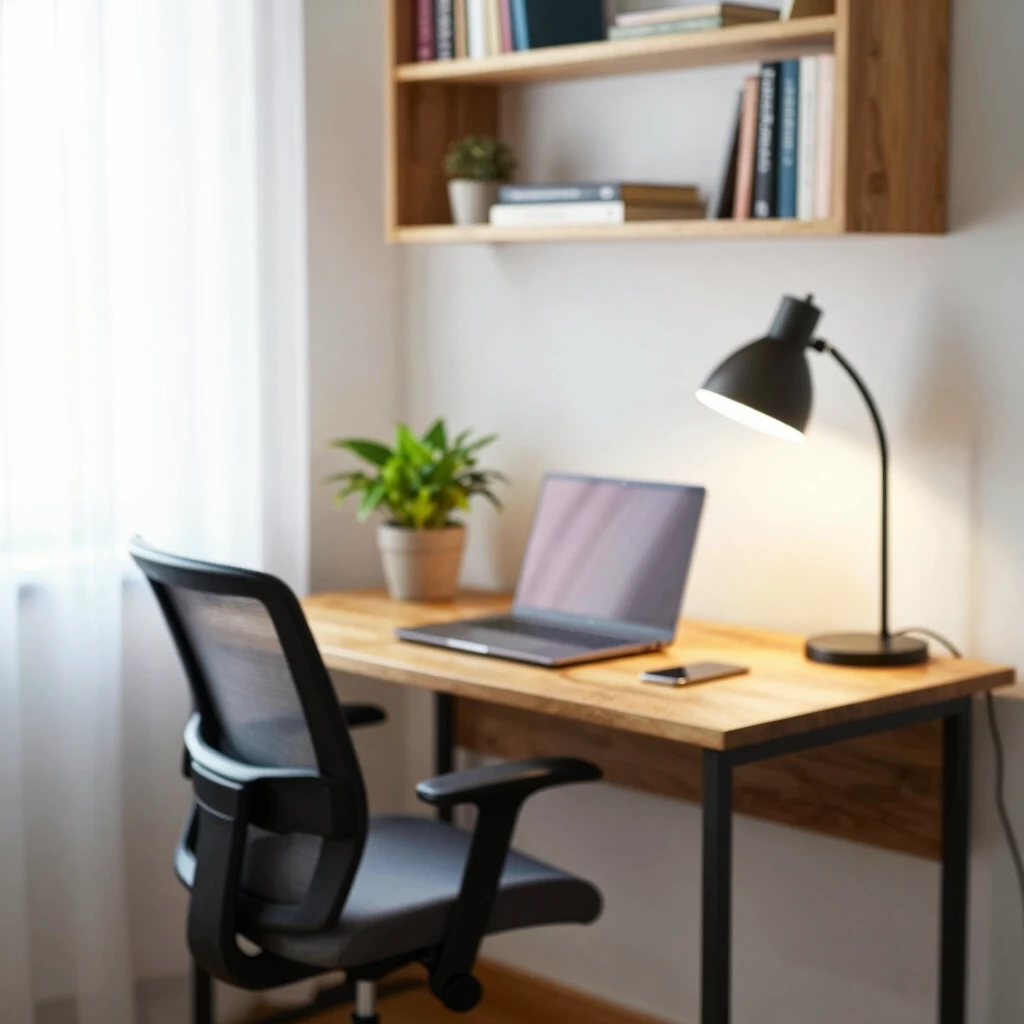
I remember my first month working from home. My back hurt, my focus wandered, and coffee became my best friend. Sound familiar? Millions face the same issues. Studies show that poor setups lead to more sick days and lower output.
Think about it: You spend eight hours a day at your desk. If it's uncomfortable, your body pays the price. But with simple changes, you can turn your space into a wellness hub. This guide shares what worked for me and tips backed by experts.
Maximizing Small Spaces: Home Office Edition
Not everyone has a spare room for an office. I started in my living room corner, juggling couch cushions and a wobbly table. If you're in a tight spot, focus on multi-use areas.
Start by picking a spot away from high-traffic zones. Use room dividers like bookshelves to create boundaries. Vertical storage saves floor space—think wall-mounted shelves for files and decor.
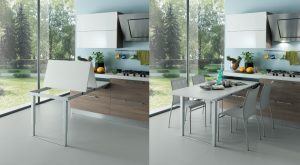
Here's a quick list to get you going: - Clear clutter: Keep only essentials on your desk. - Add greenery: Plants like succulents improve air quality and mood. - Flexible furniture: A foldable desk tucks away when not in use.
These tweaks make your area feel dedicated without taking over your home.
Personal tip: I hung a tension rod with curtains behind my desk. It blocks distractions and adds a touch of style. Small wins like this keep you motivated.
Creating a Productive Home Office on a Budget
You don't need fancy gear to work well. I built my setup for under $200. Prioritize what impacts health most: chair, desk height, and lighting.
Shop thrift stores or online for deals. A basic adjustable chair costs less than $50. Pair it with free apps for posture reminders.
Budget breakdown in a table:
| Item | Cost Range | Why It Helps |
|---|---|---|
| Ergonomic chair | $30-80 | Supports your back |
| Desk lamp | $15-25 | Reduces eye strain |
| Cable organizers | $5-10 | Keeps cords tidy |
| Total | Under $150 | Full setup ready |
Hunt for sales on sites like Amazon or IKEA. Remember, comfort beats cost every time.
/ergonomic-office-furniture-guide: The Basics
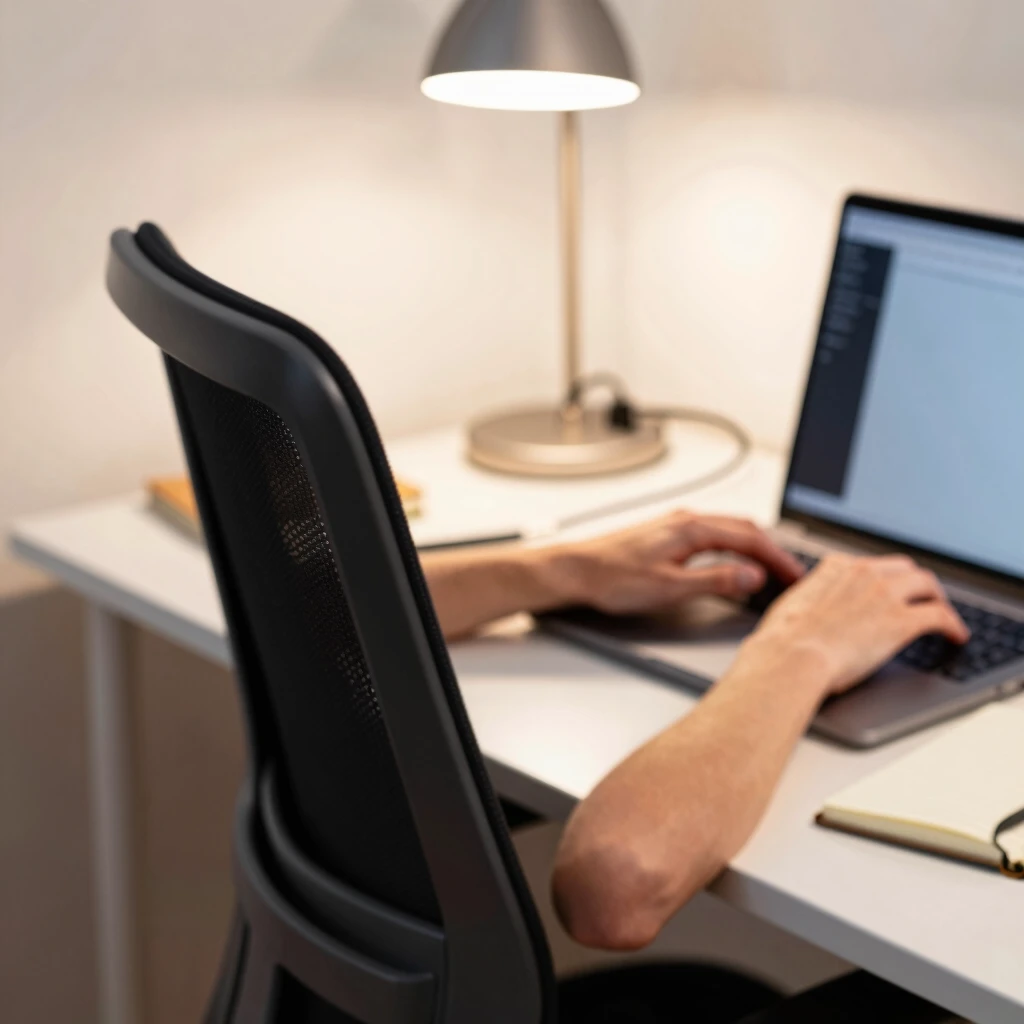
Ergonomics isn't buzzword—it's science. It fits your workspace to your body, cutting injury risks. The Occupational Safety and Health Administration (OSHA) explains how proper ergonomics lowers muscle fatigue and boosts output.
Key rules: 1. Chair height: Feet flat on floor, knees at 90 degrees. 2. Screen level: Top of monitor at eye height. 3. Keyboard position: Elbows close to body, wrists straight.
I ignored this at first and ended up with wrist pain. Now, I use a $20 stand to raise my laptop. It changed everything.
For deeper dives, check the Centers for Disease Control and Prevention (CDC) tips on optimizing your telework space, including ideal elbow angles and back support. Adjust as you go—your body will thank you.
How to Optimize Your Home Office
Optimization means testing what works for you. Track your energy levels. Do you fade after lunch? Shift tough tasks to mornings.
Incorporate natural light—position your desk near a window. Use blue-light filters on screens to ease evening wind-downs.
Pro move: Set up zones. One for focused work, another for calls. I use a whiteboard for quick notes, keeping my mind clear.
Don't forget sound. Noise-cancelling headphones block out kids or street sounds. Apps like Focus@Will play background tunes tailored to your brain waves.

Physical Wellness in Remote Work
Sitting all day sneaks up on you. I gained five pounds my first remote year from skipped walks. Combat this with movement.
Aim for 30 minutes of activity daily. Walk during calls—my step count doubled, and ideas flowed better.
Build habits: - Stand every hour for two minutes. - Do desk yoga: Neck rolls, shoulder shrugs. - Hydrate: A full glass every hour keeps you alert.
Research from health experts stresses these breaks prevent long-term issues like back strain.
I now use a timer app. It buzzes softly, reminding me to move. Simple, but it sticks.
Mental Health: Staying Connected and Balanced
Loneliness hits hard in remote roles. I missed water-cooler chats until I scheduled virtual coffees.
The California State University San Marcos offers great advice on setting boundaries and taking breaks to protect your mind. Boundaries mean logging off at 5 PM sharp—no emails in bed.
Foster ties: - Weekly team check-ins with fun questions. - Join online communities for your field. - Practice gratitude: Jot three wins daily.
These steps lifted my mood. You're not alone—reach out.
Mindfulness apps like Headspace guide short sessions. Start with five minutes; it clears mental fog.
Building Sustainable Routines
Routines anchor your day. Mine starts with a 7 AM stretch and ends with a book, not screens.
Customize yours: | Time | Activity | Benefit | |------|----------|---------| | 8 AM | Morning walk | Energizes body | | Noon | Lunch away from desk | Resets focus | | 3 PM | Quick meditation | Reduces stress | | 6 PM | Shutdown ritual | Signals end of day |
Track progress in a journal. Adjust weekly. Consistency builds resilience.
One challenge: Blurry work-life lines. I dress for work—even jeans signal 'office time.' It tricks your brain into focus mode.
Wrapping It Up
Remote work wellness boils down to intention. By tackling your space, body, and mind, you create a setup that supports you. Start small: Pick one tip today, like adjusting your chair. Over time, these changes compound into a healthier, happier routine. You've got this—your best work awaits.
(Word count: 1523)