



Featured Post
How Industrial Style Can Transform Your Home
Imagine walking into a space that feels both rugged and refined, like a converted warehouse turned cozy haven. That's the magic of industrial style. It mixes raw materials with sleek lines to create homes that tell a story. If you're tired of cookie-cutter decor, this look can shake things up.
I've lived in an old mill house for years, and switching to industrial elements changed everything. My once-bland living room now pulses with energy. In this article, we'll explore what makes this style tick, how to apply it room by room, and tips to make it your own. Let's dive in.
What Is Industrial Style, Anyway?
Industrial style draws from old factories and lofts. Think exposed brick walls, metal beams, and concrete floors. It started in the 1970s when artists grabbed cheap urban spaces and made them chic. Today, it's everywhere—from city apartments to suburban homes.
The beauty? It's versatile. You don't need a massive budget or major renovations. Start small with furniture swaps or paint tweaks. Key vibes include:
- Raw textures: Brick, wood, leather.
- Metallic accents: Iron, steel, brass.
- Neutral palette: Grays, blacks, whites, with pops of rust or deep blue.
In my experience, this style warms up cold spaces. My concrete floors used to echo sadly; now, layered rugs make them inviting.
According to design experts at Architectural Digest, the trend's rise ties to our love for authenticity. No fussy details—just honest materials that age gracefully.
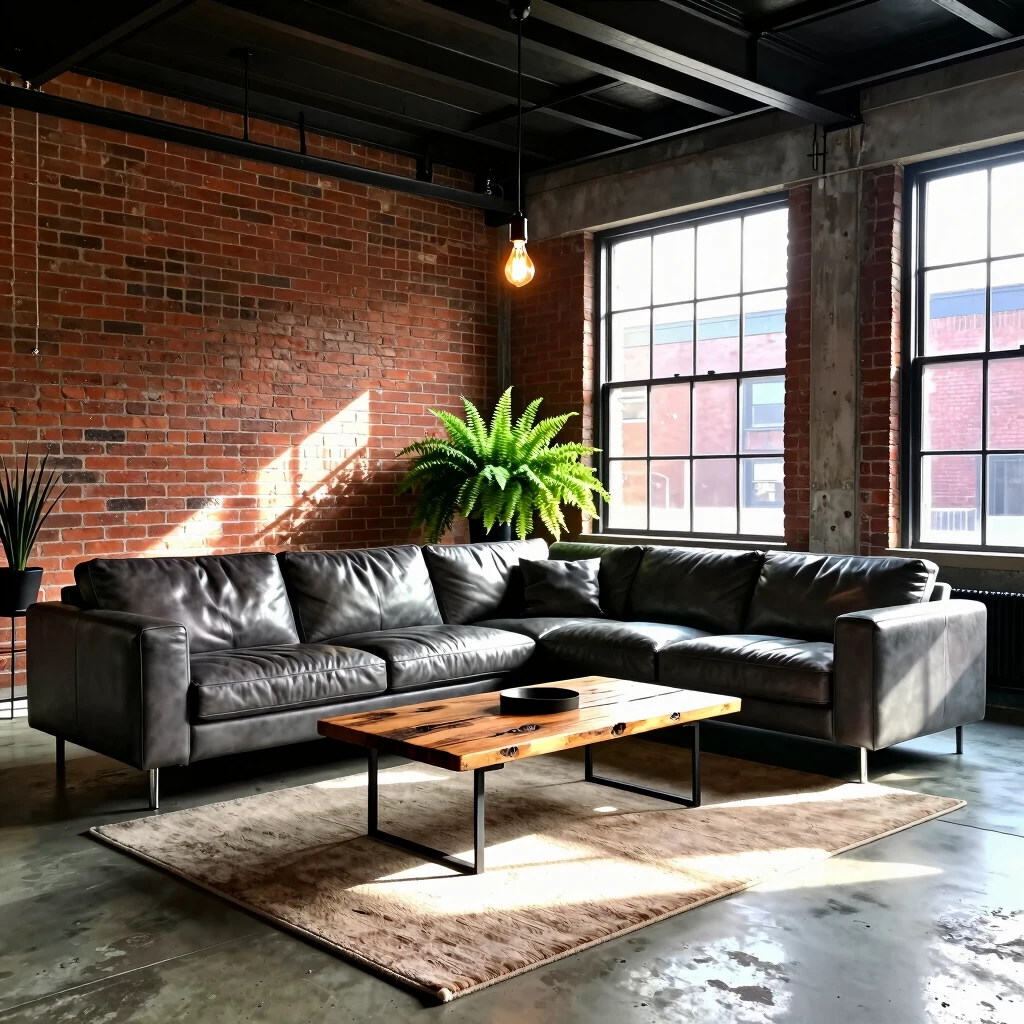
Revamping Your Living Room
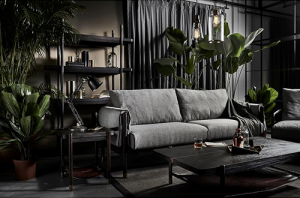
The living room sets the tone for your home. Industrial style turns it into a bold statement. Start with the walls. If yours are plain, add peel-and-stick brick wallpaper for that factory feel without the mess.
Next, tackle furniture. Swap out soft cushions for a leather sofa with clean lines. Pair it with a coffee table made from salvaged wood and hairpin legs—easy to DIY or grab affordably online.
Lighting seals the deal. Ditch harsh fluorescents for exposed-bulb fixtures. They cast a soft, amber glow that feels intimate.
I remember my first change: hanging pipe shelves above the TV. They hold books and plants, turning dead space into display gold. Guests always comment on the 'cool warehouse vibe.'
| Element | Why It Works | Quick Swap Idea |
|---|---|---|
| Walls | Adds texture and history | Faux brick panels |
| Sofa | Grounds the space | Leather over fabric |
| Lighting | Creates mood | Industrial pendants |
| Shelving | Maximizes storage | Pipe or metal racks |
Bringing Industrial Edge to the Bedroom
Bedrooms need balance—cozy yet cool. Industrial style delivers with muted tones and sturdy pieces. Focus on the bedframe first. A metal one with slats mimics factory beds and supports heavy mattresses well.
Now, let's talk nightstands for modern and industrial styles. These aren't just tables; they're functional art. Opt for a nightstand in distressed wood topped with a concrete lamp. It holds your book, phone, and a touch of greenery.
In my bedroom, I chose matching nightstands for modern and industrial styles: black metal frames with oak tops. They flank my bed perfectly, blending seamlessly with the exposed ductwork ceiling. No more wobbly IKEA finds—these feel solid and timeless.
Add sheer curtains over large windows to soften the look. The result? A retreat that energizes rather than overwhelms.

- Pro Tip: Layer textiles. A chunky knit blanket on the bed counters metal's chill.
- Budget Hack: Hunt thrift stores for vintage lockers as nightstands. Sand and paint for a fresh twist.
- Personal Touch: Engrave initials on metal pieces for that lived-in feel.
Kitchen and Dining: Where Function Meets Form
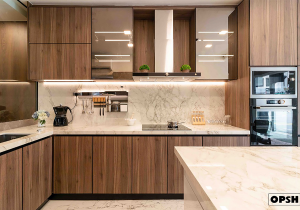
Kitchens thrive in industrial style. Exposed pipes and open shelving scream efficiency. Install floating metal shelves for pots and spices—easy access, no cabinets needed.
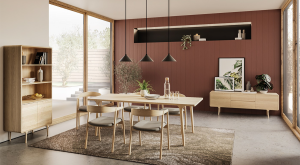
For dining, a long wooden table with trestle legs seats everyone comfortably. Top it with mismatched chairs in leather and wood for character.
I transformed my galley kitchen by painting cabinets matte black and adding brass hardware. It went from dated to daring overnight. Meals feel like events now, especially under globe lights.
Don't forget appliances. Stainless steel ones fit right in. If yours are white, a simple facelift with vinyl wraps does the trick.
A study from the National Kitchen & Bath Association notes that open layouts boost home values by 10-15%. Industrial elements amplify this by making spaces feel larger and more connected.

Essential Tips for Adopting Industrial Style
Ready to start? Here's how to make it stick without stress.
-
Assess Your Space: Measure twice, buy once. Industrial pieces are bold—ensure they fit.
-
Mix Old and New: Vintage crates with modern lamps create depth. I sourced my coffee table from a flea market; it's my favorite story piece.
-
Color Control: Stick to earth tones. A single bold rug ties it together.
-
Sustainability Angle: Reuse materials. Repurposed pallets as headboards cut waste and costs.
-
Lighting Layers: Combine overheads, table lamps, and floor ones for all-day versatility.
Watch for these pitfalls:
- Overdoing metal: Balance with wood.
- Ignoring scale: Tiny rooms need slim furniture.
- Skipping comfort: Add cushions everywhere.
Personal Stories: Real Homes, Real Changes
Take my neighbor, Sarah. Her suburban split-level screamed 80s. She added galvanized buckets as planters and a steel baker's rack in the entry. Boom—urban edge without moving.
Or consider my friend Mike, who runs a small design firm. He clad his office walls in corrugated metal. Clients love the creative spark it ignites.
These tweaks prove industrial style scales. Whether you're in a tiny studio or sprawling ranch, it adapts. The key? Infuse your personality. Mine includes family photos in black frames—keeps it homey.
Wrapping It Up: Your Industrial Journey Starts Now
How industrial style can transform your home lies in its honest simplicity. From nightstands for modern and industrial styles to full-room overhauls, it invites you to embrace imperfection. You'll end up with spaces that reflect your life—tough, beautiful, and uniquely yours.
Start small: Pick one piece of furniture, like a versatile nightstand, and build from there. Your home will thank you with stories of its own. What's your first move?