


Featured Post
10 Tips for Arranging Furniture in a Small Room
Living in a small room does not mean you have to sacrifice style or comfort. With smart planning, you can create a space that feels open, inviting, and practical. These 10 Tips for Arranging Furniture in a Small Room focus on furniture arrangement tips for maximizing space while keeping everyday life easy.
Whether you rent a tiny apartment or own a compact home, the right layout makes all the difference. I have helped friends transform tight quarters into places they love spending time in. The secret lies in thinking beyond traditional setups and using every inch wisely.
In this guide, you will find actionable steps drawn from real experiences and proven design ideas. We will cover everything from measuring your room to selecting the perfect pieces, including a deep dive into How to Choose the Perfect Chair for Your Room.

Tip 1: Measure your space first. Grab a tape measure and note every dimension including doors, windows, and outlets. Sketch a simple floor plan on paper or use a free app. This step prevents buying furniture that will not fit and helps you visualize furniture arrangement tips for maximizing space.
I once skipped measuring and ended up with a sofa that blocked the door. Lesson learned: always plan ahead. Accurate measurements let you choose pieces that scale perfectly to your room.
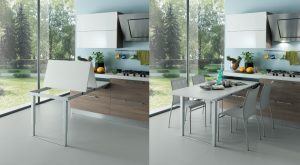
Tip 2: Choose multi-functional furniture. Look for items that serve more than one purpose, such as a coffee table with hidden storage or a sofa bed. These pieces keep your small room tidy without adding extra clutter.
In tight quarters, every item should earn its keep. Multi-functional options free up floor area and make daily routines smoother.
Tip 3: Create distinct zones. Use rugs, lighting, or low shelves to divide your room into areas for sleeping, working, and relaxing. Even in one open space, clear zones give a sense of order.
This trick works wonders in studio apartments. My studio felt twice as big once I defined a reading nook with a simple floor lamp and chair.
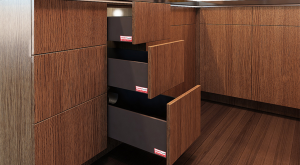
Tip 4: Think vertically for storage. Install floating shelves, tall bookcases, or wall-mounted cabinets. Draw the eye upward to make the ceiling seem higher and free up precious floor space.
Vertical storage turns dead wall space into useful real estate. It is one of the most effective furniture arrangement tips for maximizing space I have seen in action.

Tip 5: Pull furniture away from walls. It may feel counterintuitive, but floating pieces a few inches from the wall creates breathing room and makes the space feel larger. This idea comes straight from professional designers.
As shared in expert advice from Ohio University on small-space living, moving furniture slightly off walls instantly elevates the room and reduces that cramped feeling.
Tip 6: Scale down your furniture. Oversized sofas or bulky dressers swallow space. Opt for slim profiles, armless chairs, and low-profile beds. Smaller scale keeps pathways clear.
I switched to a loveseat in my first apartment and gained an extra three feet of walking room. The change was dramatic.
Tip 7: Use mirrors and light colors. Mirrors reflect light and visually double the room size. Pair them with pale walls and fabrics to brighten the area and enhance openness.
A large mirror opposite a window can make even the smallest room feel airy and bright.
Tip 8: How to Choose the Perfect Chair for Your Room. When picking a chair, focus on scale, comfort, and function. Measure the seat height and depth to ensure it fits your body and the room without crowding other pieces. Look for slim arms or armless designs that save space.
Ergonomics matter too. Follow guidelines from the University of Pittsburgh’s safety office on choosing an ergonomic chair to keep your back supported during long sits. Consider swivel bases for easy movement in tight spots.
Test chairs in person if possible. The right chair adds seating without stealing floor area. It becomes a stylish focal point rather than an obstacle.
Researchers at UC Berkeley created an interactive furniture layout system based on classic interior design guidelines. Their work shows how careful chair placement improves flow and comfort in small areas.
Tip 9: Ensure clear traffic flow. Leave at least 18 to 24 inches between furniture for easy walking. Map out main paths from door to window or seating area first.
Good flow prevents frustration and makes the room feel welcoming to guests.
Tip 10: Declutter regularly. Keep only what you use daily. Rotate seasonal items into storage. A tidy room always looks larger.
Decluttering pairs perfectly with smart furniture arrangement tips for maximizing space. Less stuff means more room to breathe.

Applying these 10 Tips for Arranging Furniture in a Small Room can transform how you live and feel in your space. Start small by measuring and rearranging one area at a time. You will quickly notice the difference.
Remember, the goal is a room that works for you. With thoughtful furniture choices and layout tweaks, even the tiniest space becomes a comfortable home.
Small rooms challenge us to get creative, but the rewards are worth it. Open, functional spaces boost mood and productivity every day.