


Featured Post
Small Space Living: A Beginner’s Guide
Small Space Living: A Beginner’s Guide offers straightforward advice for anyone moving into a tiny apartment, studio, or compact home. You can create a comfortable, stylish living area without feeling cramped. This guide shares simple steps, personal experiences, and proven ideas to help you start strong.
I still remember my first studio apartment in a busy city. At just 300 square feet, it felt overwhelming at first. But after a few months of trial and error, I turned it into a cozy retreat that I loved coming home to. Many people face the same challenge today as housing costs rise and urban living grows. The good news? Small spaces encourage creativity and simpler living.

Living in a small space has real benefits. Research shows that decluttering and organizing your home can lower stress levels and improve focus. A study from the University of Connecticut highlights how removing clutter reduces anxiety and boosts mood. When your environment feels calm, your mind often follows.
Why Small Space Living Works for Beginners
Small homes force you to focus on what truly matters. You buy less, waste less, and spend more time enjoying experiences instead of maintaining stuff. Beginners often worry about feeling trapped, but smart planning turns limitations into opportunities.
Start by assessing your needs. List daily activities: sleeping, eating, working, relaxing. Then choose furniture that supports multiple uses. This approach saves money and keeps your space functional.
One key lesson I learned: vertical space is your friend. Walls offer storage without eating floor area. Floating shelves, tall bookcases, and hanging organizers make a big difference.

The Power of Color in Small Space Design
Color changes how a room feels. Light colors reflect more light and make walls seem farther away. Soft whites, pale blues, and gentle greens create an open, airy feeling.
According to research on interior color and psychological functioning, people often prefer blue tones in living spaces because they promote calm and help with focus. Blue interiors can make studying or working feel easier while keeping the mood relaxed. Avoid dark or very bright colors on all walls—they can make a small room feel smaller.
Try painting one accent wall in a soft hue or using color on textiles. I painted my tiny kitchen a light sage green, and it instantly felt bigger and fresher.
Combine colors thoughtfully. Use a neutral base and add small pops of color through pillows, rugs, or art. This keeps the space lively without overwhelming it.
Top Home Decor Trends for Small Living Spaces
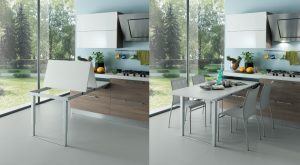
In 2026, small space design focuses on flexibility and personality. Multifunctional furniture remains popular. Pieces that fold, expand, or serve double duty help you adapt your home as needs change.
Other trends include: - Vertical gardens and hanging plants for fresh air and visual interest without taking floor space. - Mirrors placed strategically to bounce light and double the sense of depth. - Modular storage systems that grow with you. - Natural materials like wood, rattan, and linen for warmth and texture.
Minimalism with personality wins. Keep surfaces clear but add meaningful items that tell your story.
A practical favorite is the futon. This versatile piece works as a sofa during the day and a bed at night. Pair it with customizable futon covers for unique styles to match your taste and change the look whenever you want. Swap a neutral cover for a bold pattern or seasonal print—no need to buy new furniture.
Here is a quick comparison of common small-space furniture options:
| Furniture Type | Space Saved | Versatility | Best For |
|---|---|---|---|
| Futon | High | Sofa + Bed | Living/sleeping areas |
| Murphy Bed | Very High | Wall-mounted | Studios |
| Nesting Tables | Medium | Multiple uses | Entertaining |
| Ottoman with Storage | High | Seating + Storage | Small living rooms |
Smart Storage and Organization Tips
Storage is make-or-break in small homes. Use these actionable ideas:
- Install over-the-door hooks and organizers.
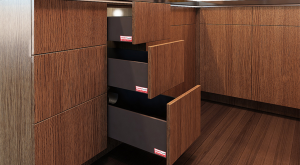
- Choose beds with built-in drawers.
- Use clear bins for under-bed storage so you see what you have.
- Hang pots and pans on wall racks in the kitchen.
Declutter regularly. Ask yourself: Do I use this weekly? If not, let it go. This habit keeps your space feeling open.
I once struggled with a crowded closet until I added slim hanging shelves and vacuum storage bags. Suddenly I had room for everything I actually needed.

Lighting and Layout Strategies
Good lighting prevents small rooms from feeling dark or closed in. Layer three types: ambient (ceiling lights), task (desk or reading lamps), and accent (wall sconces or LED strips).
Arrange furniture to create clear pathways. Keep the center of the room open. Place larger pieces against walls. Use rugs to define zones—like a seating area separate from a workspace.
In my experience, pulling the sofa slightly away from the wall and adding a narrow console behind it created extra storage and made the room feel more intentional.
Personal Insights from Real Small Space Living
Small space living taught me that less really can be more. I feel calmer with fewer possessions. Guests often comment on how welcoming my place feels despite its size.
Challenges exist. Noise travels easily, and you must stay disciplined about tidiness. But the rewards—lower bills, easier cleaning, and a stronger sense of control—outweigh the drawbacks for many beginners.
Experiment and adjust. What works for one person may not suit another. Take time to test layouts before committing.
Summary
Small Space Living: A Beginner’s Guide shows that you do not need a big home to live well. Focus on multifunctional pieces like a futon with customizable futon covers for unique styles, use color wisely with insights from The Power of Color in Small Space Design, and follow Top Home Decor Trends for Small Living Spaces. Stay organized, let in light, and add personal touches.
With these strategies, your small home can become a peaceful, efficient, and beautiful place you enjoy every day.