



Featured Post
The Benefits of Sustainable Home Design: Building a Healthier, Greener Future
Sustainable home design goes beyond trends. It creates living spaces that save money, protect the planet, and improve daily life. Homeowners who choose this approach enjoy lower utility bills, cleaner air, and greater comfort year-round. In this article, we explore the real benefits and share actionable steps you can take today.

When I first moved into my current home, I focused on making small changes that added up to big results. Switching to better insulation and choosing low-VOC paints made the indoor air feel fresher right away. Over time, I noticed lower energy bills and a more comfortable living environment. These personal experiences convinced me that sustainable home design delivers real value.
One of the biggest advantages is energy efficiency. Well-designed sustainable homes use passive solar heating, thick insulation, and high-performance windows to cut energy use dramatically. Some homes achieve up to 90% reduction in heating and cooling needs. This means lower monthly bills and less strain on the power grid.
Water conservation is another key benefit. Features like low-flow fixtures, rainwater collection systems, and drought-resistant landscaping reduce water waste significantly. In dry regions, these choices make a noticeable difference in both costs and resource use.
Health improvements stand out as well. Sustainable homes often feature better ventilation and materials free from harmful chemicals. This leads to improved indoor air quality, which can reduce allergies, headaches, and respiratory issues. Families report feeling more alert and comfortable in such spaces.

Sustainable design also boosts property value. Energy-efficient homes often sell faster and for higher prices—sometimes 3-8% more than similar conventional properties. Buyers increasingly seek green features, making these homes more attractive in the real estate market.
Durability plays a big role too. High-quality, sustainable materials last longer and require less maintenance. This saves money over the years and reduces waste from frequent replacements.
Now, let's talk about what goes inside the home. Furniture choices matter a lot in sustainable design. Understanding Furniture Certifications: What to Look For helps you avoid greenwashing and select truly responsible pieces. Look for labels like FSC for responsibly sourced wood, GREENGUARD for low emissions, and Cradle to Cradle for circular design principles.
These certifications ensure materials come from well-managed forests, production processes limit toxins, and products support ethical practices. Checking them takes a few minutes but gives peace of mind that your furniture aligns with your values.
Eco-Friendly Furniture: A Guide to Sustainable Choice starts with materials. Opt for reclaimed wood, bamboo, organic cotton, or recycled metals. These options reduce demand for new resources and often tell a unique story in your home.
Durability is essential. Well-made pieces that last decades cut down on landfill waste. Combine this with timeless designs, and you create a home that stays stylish without constant updates.

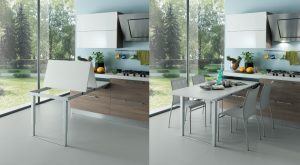
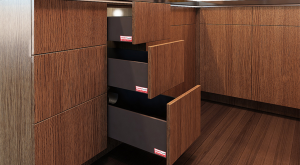
Storage is often overlooked but crucial for a clutter-free, sustainable lifestyle. Innovative storage solutions with cabinet furniture maximize space while using eco-friendly materials. Think modular cabinets made from recycled or responsibly sourced woods that adapt as your needs change.
Cabinet designs now include pull-out organizers, hidden compartments, and vertical systems that keep items accessible yet out of sight. These features reduce visual clutter and make daily routines smoother. Choosing cabinet furniture built with low-emission finishes keeps indoor air healthy.
Here are some practical ways to incorporate sustainable elements:
- Install energy-efficient windows and doors
- Use LED lighting and smart thermostats
- Select low-VOC paints and finishes
- Add native plants for natural cooling and beauty
- Incorporate recycled or reclaimed materials in finishes and furniture
A quick comparison of traditional vs. sustainable approaches:
| Aspect | Traditional Home | Sustainable Home |
|---|---|---|
| Energy Bills | Higher | Significantly lower |
| Indoor Air Quality | Variable | Improved with better ventilation |
| Resale Value | Standard | Often 3-8% higher |
| Maintenance | More frequent | Less due to durable materials |
| Environmental Impact | Higher | Reduced carbon footprint |
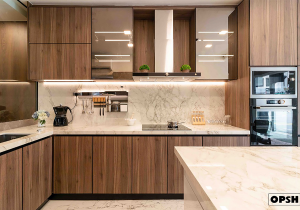
I remember upgrading my kitchen cabinets to ones made with sustainable materials and smart storage. The difference in organization was immediate, and the natural wood grain added warmth without any chemical smells. It felt good knowing the choice supported better forest management.
Sustainable home design also connects you more deeply with nature. Larger windows for natural light, views of greenery, and better airflow create calming spaces that support mental well-being. Many homeowners say they sleep better and feel less stressed.
Start small if a full remodel feels overwhelming. Begin with one room—swap in eco-friendly furniture or improve insulation in the attic. Each step builds momentum and delivers measurable benefits.
In summary, the benefits of sustainable home design extend far beyond saving energy. You gain healthier living conditions, long-term financial savings, increased home value, and the satisfaction of making positive environmental choices. Every decision, from cabinet furniture to material selections, contributes to a better future.