








Featured Post
Best Cleaning Tools for Wooden Furniture: A Complete Furniture Care Guide for Wood Finishing
Quick Overview
Keeping your wooden furniture clean doesn't have to be complicated. With the right tools and gentle methods, you can remove dust, grime, and spills while protecting the natural beauty of the wood. This guide shares the best cleaning tools for wooden furniture and simple steps to make your chair, table, or cabinet shine again.
Wooden furniture adds warmth and style to any home. I remember inheriting my grandmother's oak dining chair – it had years of stories etched into its surface. But over time, dust and daily use can dull that glow. That's why choosing the best cleaning tools for wooden furniture matters so much.
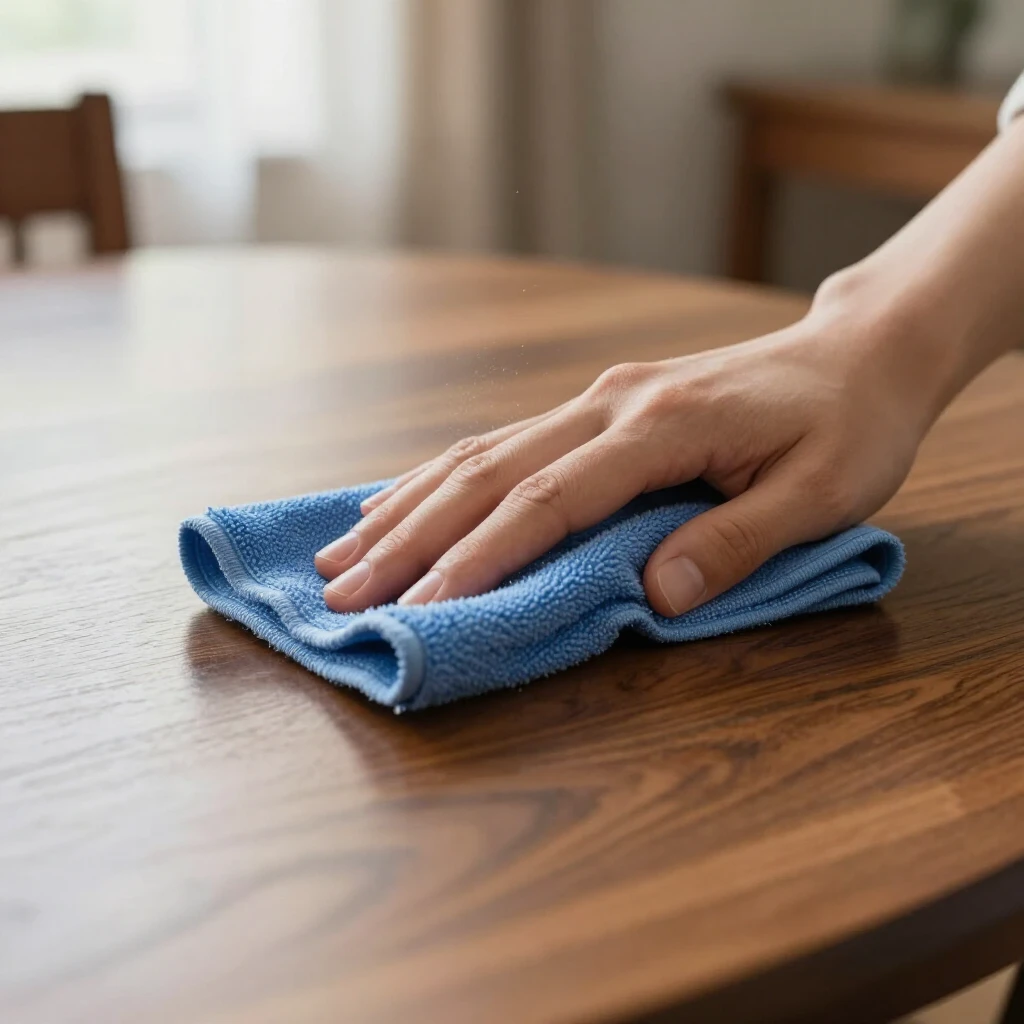
You care for wood furniture by focusing on prevention and gentle cleaning. Regular dusting prevents scratches, and the right approach preserves the finish.
As experts at the Smithsonian Museum Conservation Institute note, careful mechanical removal of dirt is key, especially for delicate coatings.
Why Gentle Tools Are Essential
Harsh cleaners or abrasive pads can strip finishes or scratch the wood. Stick to soft materials that lift dirt without harming the surface. This is part of any solid furniture care guide for wood finishing.
Top Cleaning Tools You Need
Here are the best cleaning tools for wooden furniture, based on expert recommendations and real-world use:
-
Microfiber Cloths
These are my go-to. They trap dust without spreading it around. Use dry for dusting or slightly damp for deeper cleans. They're lint-free and gentle on all finishes. -
Soft Natural Bristle Brushes
Perfect for getting into carved details on a chair or table legs. A soft paintbrush or dedicated furniture brush works wonders for crevices. -
Cotton Cloths or Old T-Shirts
For polishing or applying natural oils. Choose 100% cotton to avoid scratches.
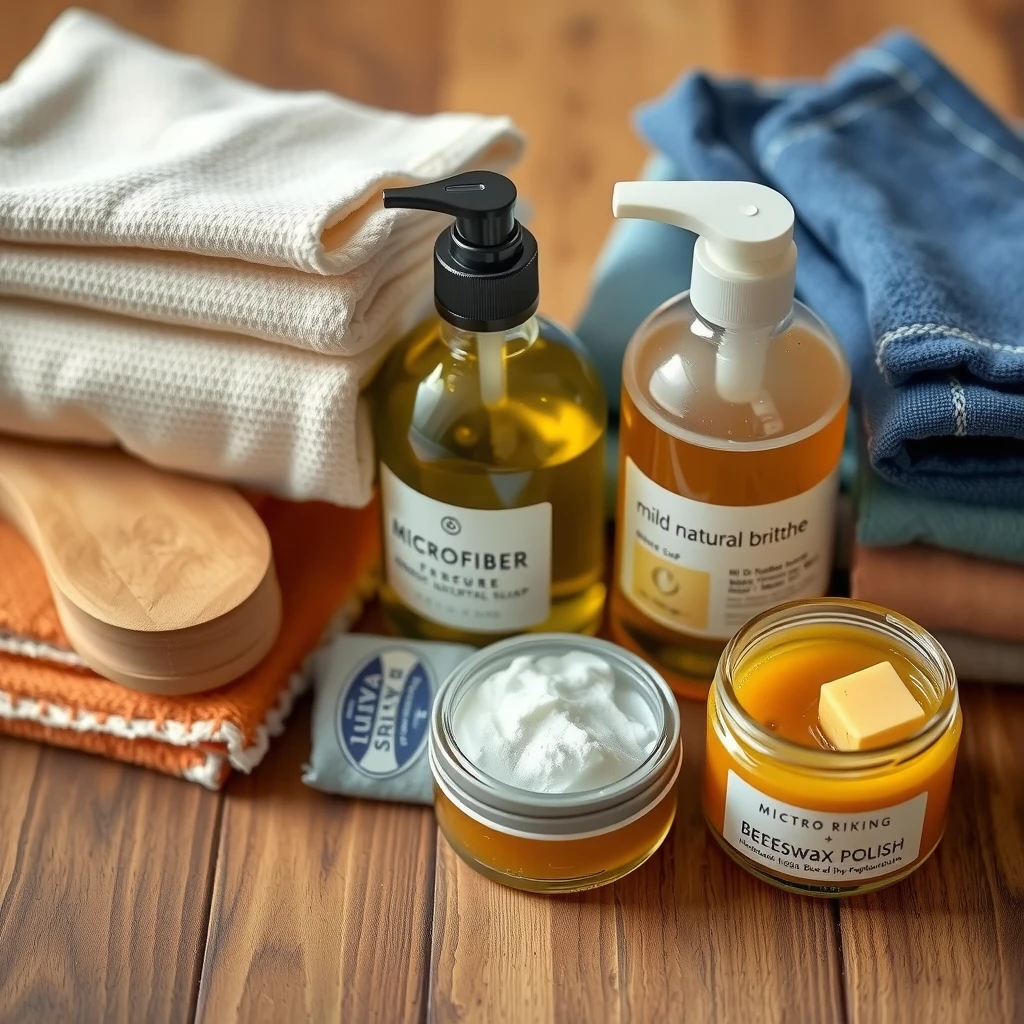
- Mild Soap Solutions
A few drops of gentle dish soap in warm water cleans sticky spots. Avoid strong detergents.
For antiques, museum experts recommend mild detergents diluted in distilled water.
- Natural Polishes like Beeswax
After cleaning, a thin layer of beeswax protects and shines. Avoid silicone-based sprays – they build up over time.
Tools to Avoid
- Feather dusters (they just move dust around)
- Harsh chemicals or all-purpose sprays
- Paper towels (they can scratch)
- Excessive water (it raises wood grain)
Step-by-Step Cleaning Guide
Follow these steps for safe, effective cleaning:
-
Dust First
Always start by dusting with a dry microfiber cloth. Go with the grain to lift dirt. -
Test Your Cleaner
Try any solution on a hidden spot first. -
Gentle Wipe
Dampen a cloth (not soaking) with mild soap water. Wipe, then dry immediately with a clean cloth.
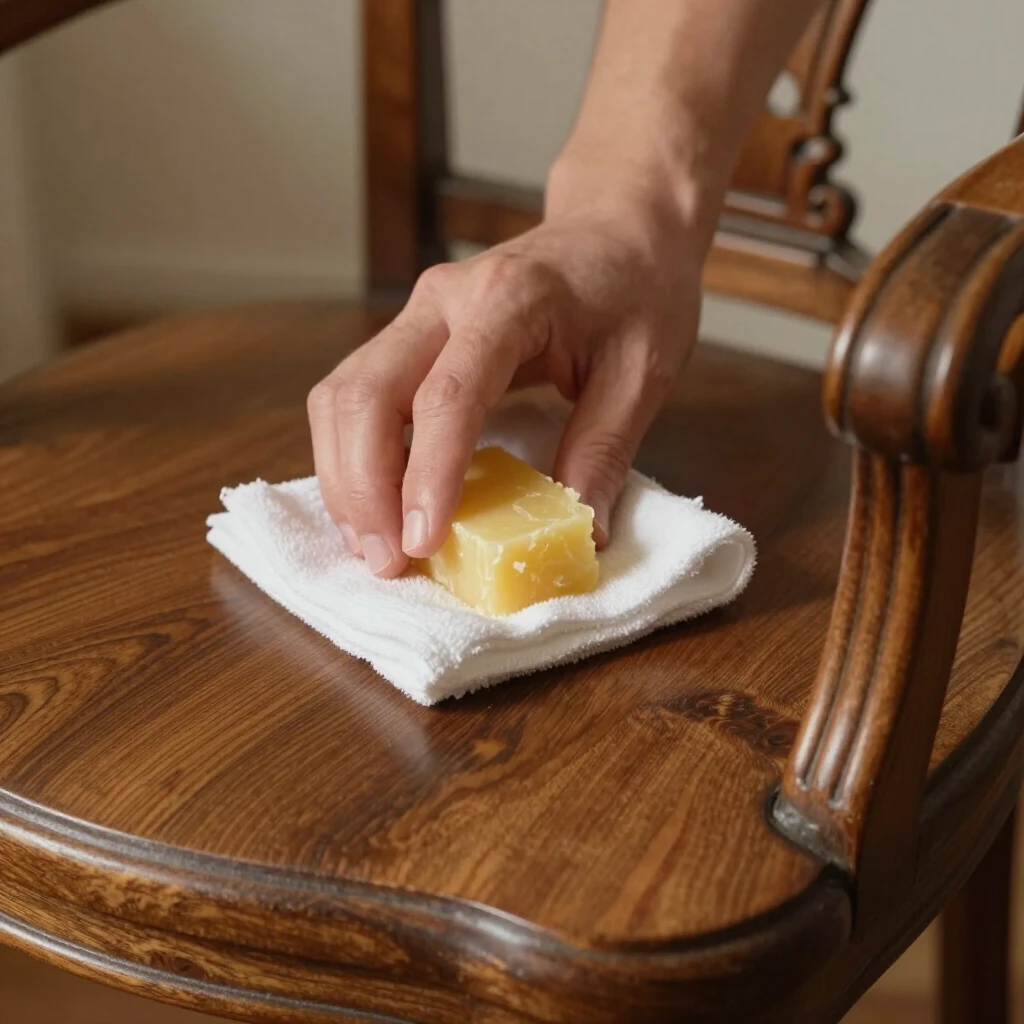
- Polish Sparingly
Apply beeswax or a museum-approved paste wax once or twice a year. Buff gently for a natural sheen.
The Smithsonian advises against mixtures like linseed oil and vinegar, as they can darken wood over time.
- Handle Spills Quickly
Blot liquids right away. For tough stains, use a bit of mineral spirits on a cloth – but test first.
Daily and Weekly Habits
- Dust weekly
- Keep furniture away from direct sun and vents
- Use coasters and placemats
These simple steps extend the life of your furniture dramatically.
I've seen friends ruin beautiful pieces with wrong products. One used a commercial oil that turned sticky and attracted more dirt. Stick to gentle, proven methods instead.
Special Care for Different Finishes
- Oiled Wood: Use natural oils sparingly.
- Varnished or Lacquered: Mild soap works best.
- Antique Furniture: Minimal intervention. Consult professionals for valuable pieces.
For more on preserving historic coatings, check the Smithsonian's guide on furniture coatings.
Wood is alive – it expands and contracts with humidity. Control your home's environment to prevent cracks.
Common Mistakes and How to Fix Them
- Over-wetting: Leads to swelling. Always dry thoroughly.
- Using furniture polish sprays: Builds residue.
- Ignoring dust: Scratches the finish over time.
If you have water rings or scratches, a bit of non-gel toothpaste can buff them out gently.
Quick Reference Table: Best Tools by Task
| Task | Best Tool | Why It Works |
|---|---|---|
| Daily Dusting | Microfiber Cloth | Traps dust effectively |
| Deep Cleaning | Mild Soap + Cotton Cloth | Removes grime safely |
| Polishing | Beeswax Paste | Protects and enhances shine |
| Detailed Areas | Soft Bristle Brush | Reaches carvings without harm |
| Stain Removal | Mineral Spirits (test!) | Cuts buildup gently |
In my experience, these tools keep wooden furniture looking new for decades. Your chair or table deserves this care – it pays off in beauty and longevity.
Final Thoughts
The best cleaning tools for wooden furniture are simple: soft cloths, mild soaps, and natural polishes. Combine them with regular care, and your pieces will stay stunning. This furniture care guide for wood finishing helps you avoid pitfalls and enjoy your furniture longer.
Start small – dust one piece today and see the difference!