



Featured Post
The Best Materials for Modern Furniture
Choosing the right materials for modern furniture is crucial for both aesthetics and functionality. This article explores the best materials for modern furniture, including wood, metal, glass, and more, to help you make informed decisions for your home.
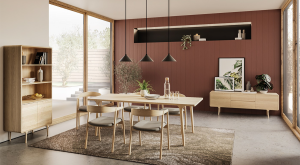
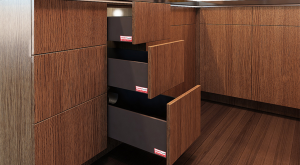
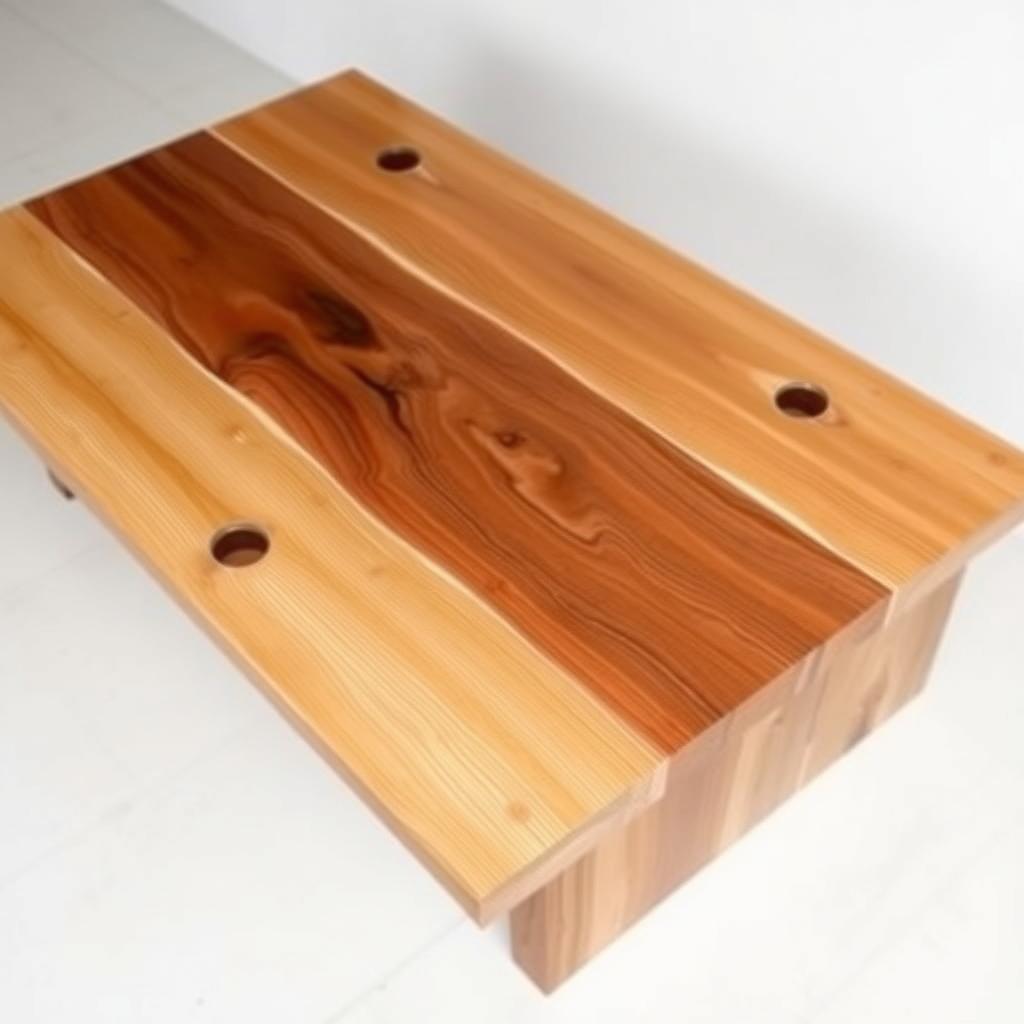
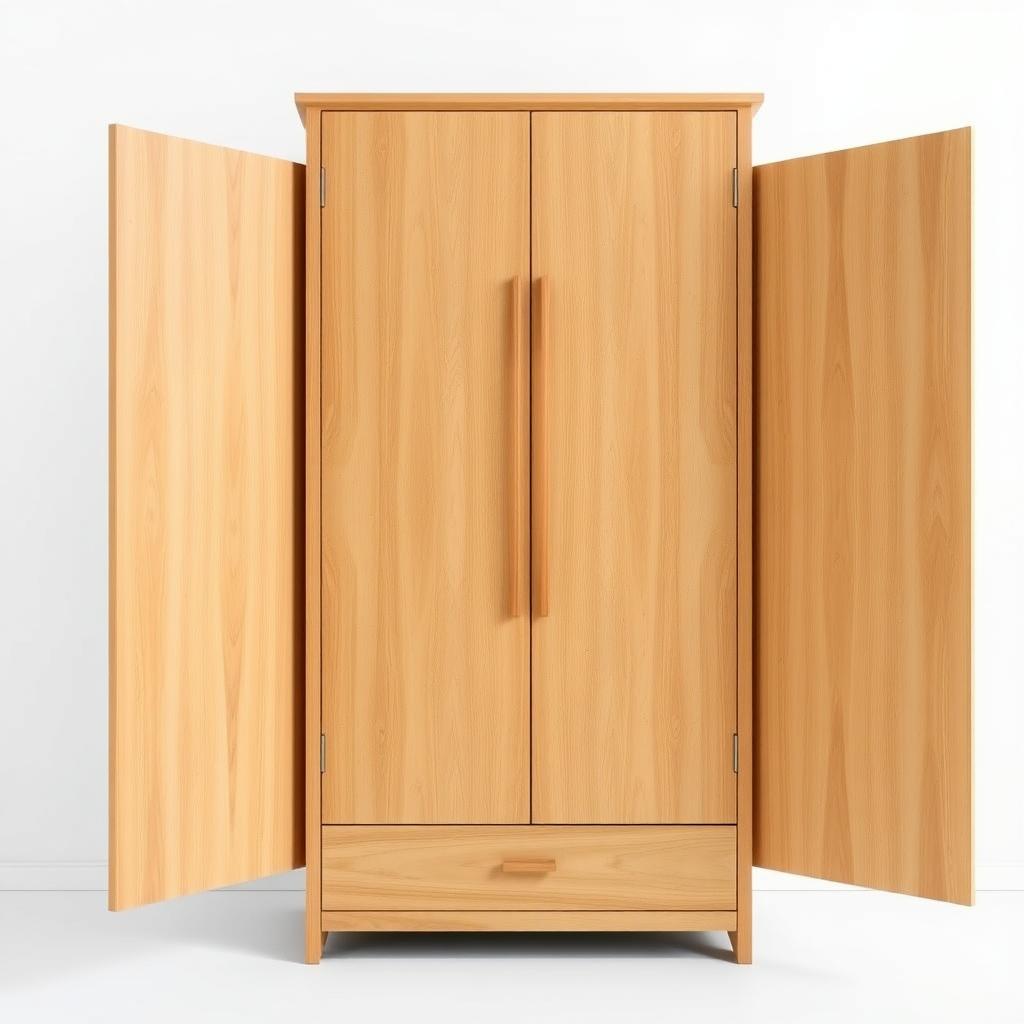
Modern furniture design emphasizes clean lines, minimalism, and functionality. The choice of materials plays a significant role in achieving these characteristics. For example, wood is a popular choice for its natural beauty and versatility. It can be used in various finishes and styles, from sleek and minimalist to rustic and warm. Wood's timeless appeal makes it a staple in modern interiors, whether for a statement piece like a dining table or a functional item like a minimalist armoire for modern interiors.
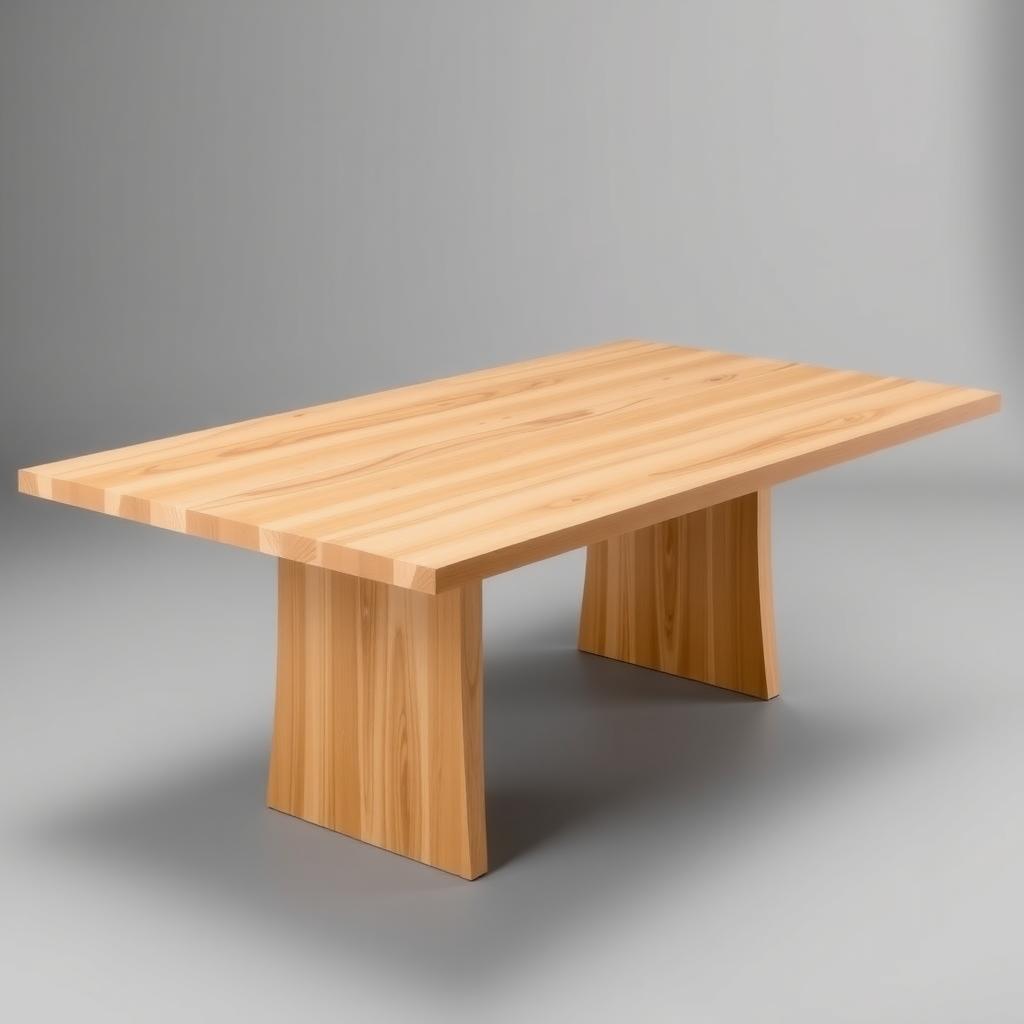
Metal is another popular choice for modern furniture, especially for its durability and industrial look. Stainless steel, aluminum, and wrought iron are commonly used in modern furniture design. Metal can be used for frames, legs, or entire pieces, adding a sleek and contemporary touch to any space. Its strength and ability to withstand wear make it ideal for high-traffic areas or outdoor furniture.
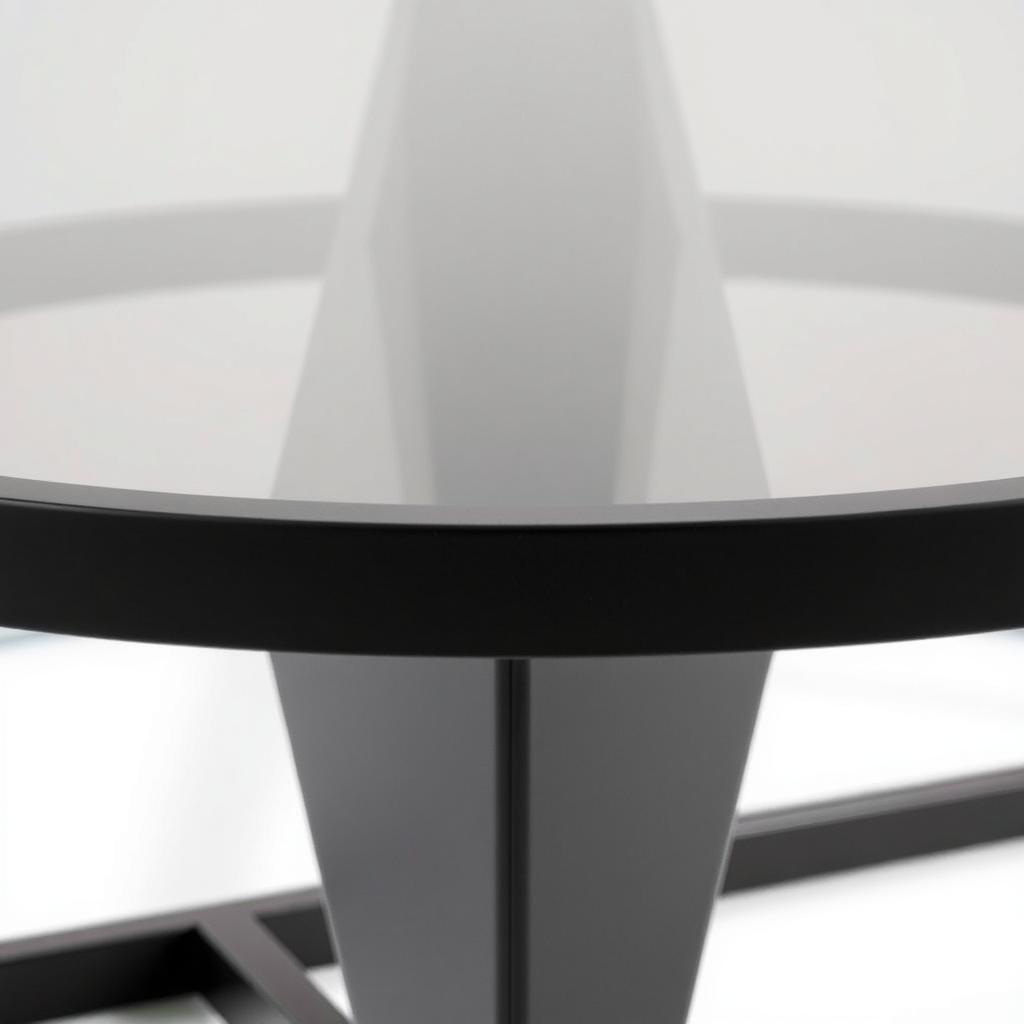
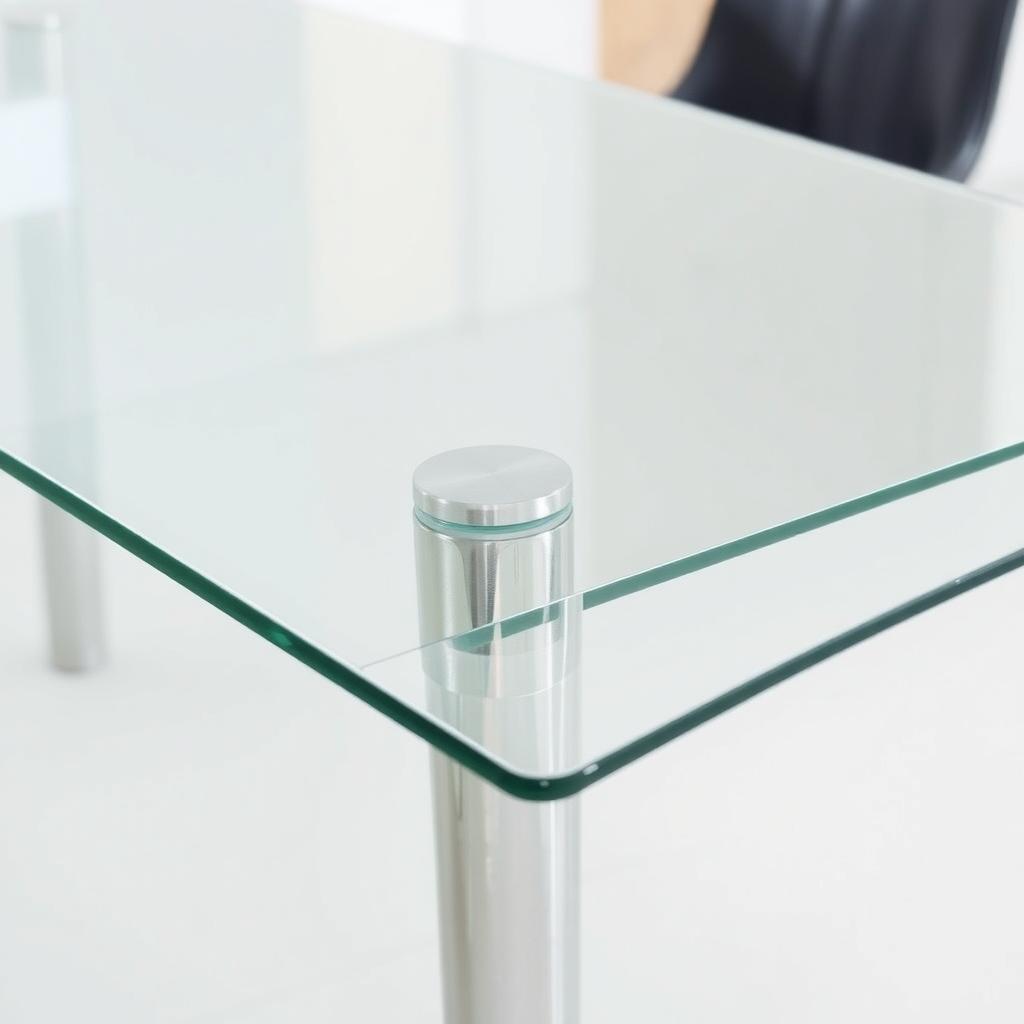
Glass is often used in modern furniture for its transparency and ability to create a sense of openness. It can be used for tabletops, shelves, or even entire pieces like glass cabinets. However, glass requires careful handling and maintenance to prevent scratches and breakage. Despite this, its ability to blend seamlessly with any decor makes it a favorite for those seeking a light and airy feel in their spaces.
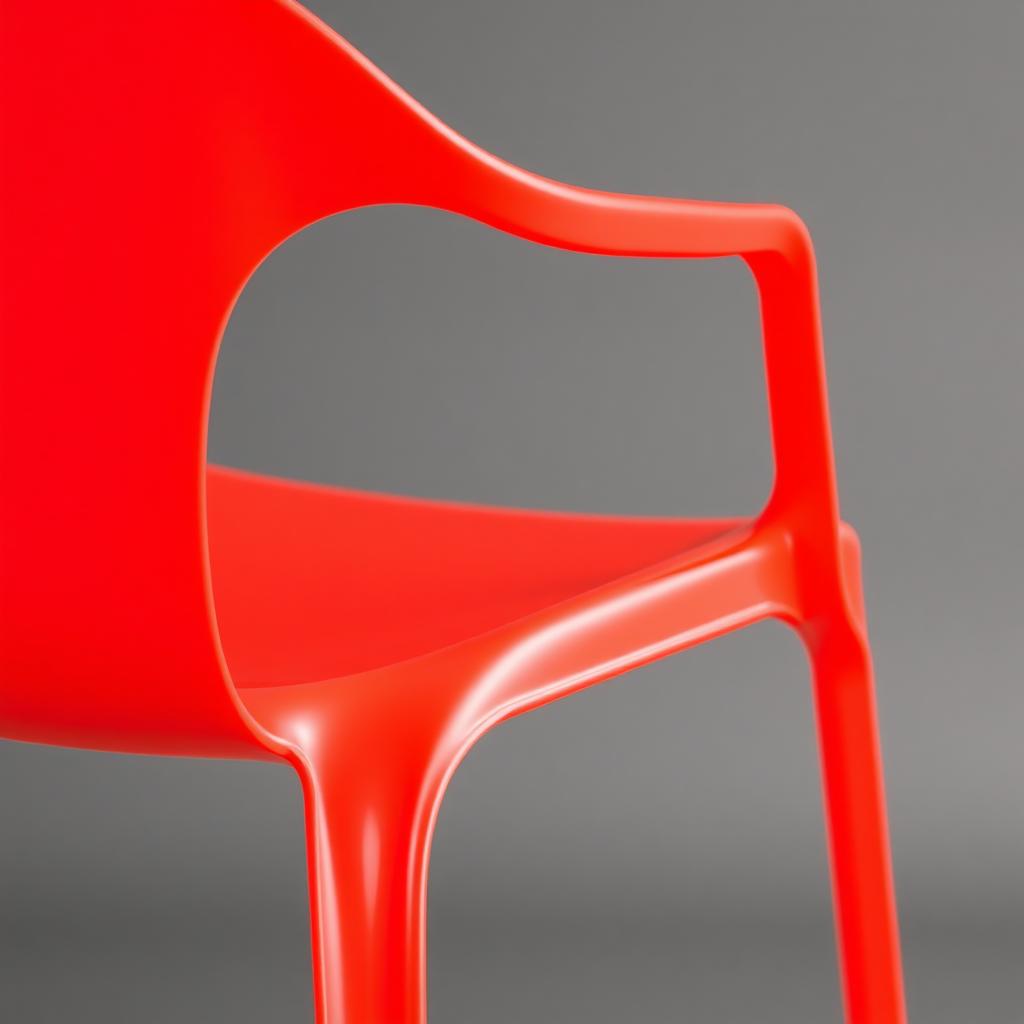
Plastic and acrylic are popular choices for modern furniture due to their versatility and affordability. They can be molded into various shapes and colors, making them ideal for creative and unique designs. These materials are particularly useful for adding pops of color or for pieces that need to be lightweight and easy to move. However, they may not offer the same durability as wood or metal.
Composite materials, such as fiberglass or carbon fiber, are also used in modern furniture for their strength and lightweight properties. These materials are often found in high-end or designer pieces, where innovation and cutting-edge design are prioritized. While they can be more expensive, their unique properties allow for creative freedom in furniture design.
Sustainability is a growing concern in modern furniture design. Many manufacturers are now using eco-friendly materials, such as reclaimed wood, bamboo, or recycled metal, to reduce their environmental impact. These materials not only help protect the environment but also add a unique and natural touch to modern furniture pieces. For instance, reclaimed wood can bring character and history to a piece, making it both functional and a conversation starter.
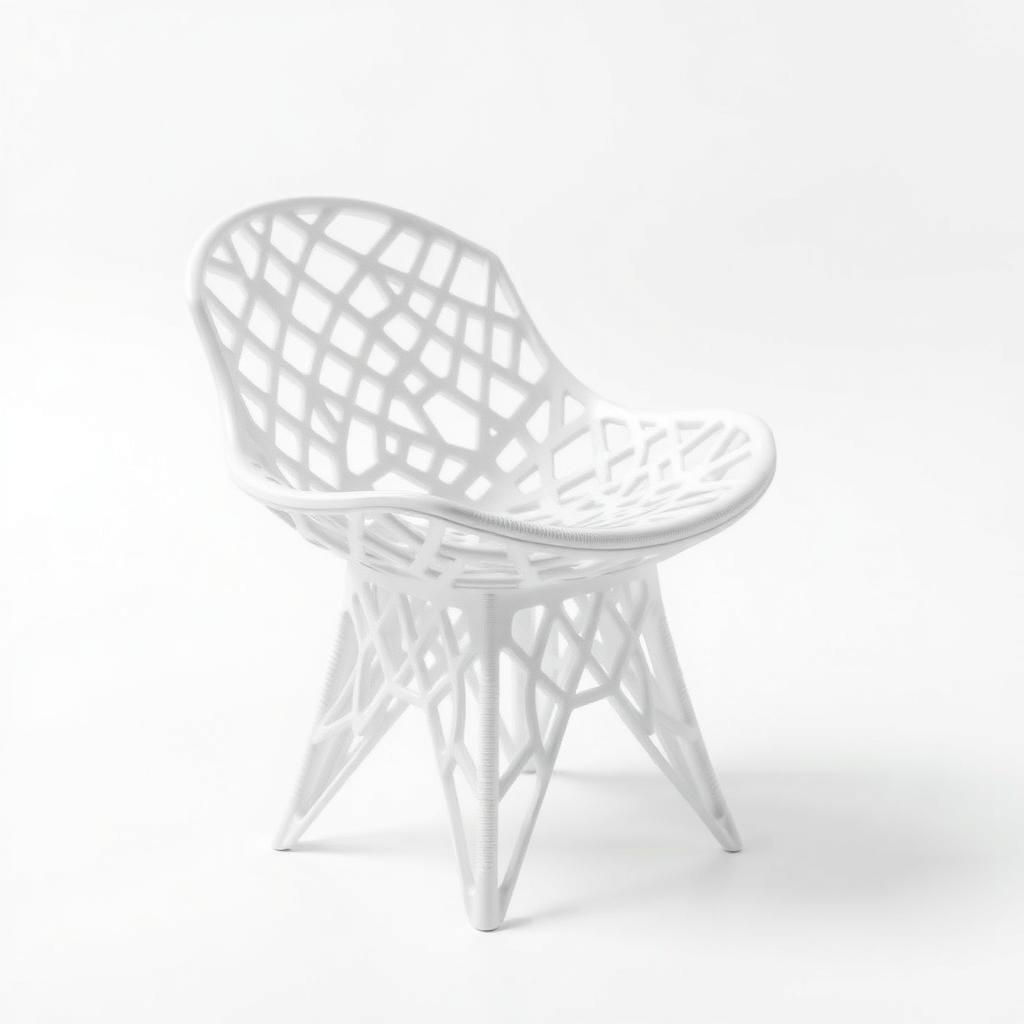
Technology has also played a significant role in the development of modern furniture materials. For example, 3D printing has enabled the creation of complex and intricate designs that were previously impossible. Smart materials, such as self-healing or shape-memory materials, are also being explored for their potential in modern furniture design. These advancements are pushing the boundaries of what is possible, allowing for furniture that is not only beautiful but also highly functional.
When choosing materials for modern furniture, it's important to consider the specific piece and its intended use. For example, a dining table may require a durable and easy-to-clean material like glass or metal, while a bedroom armoire may benefit from the warmth and natural beauty of wood. The right material can enhance both the look and the longevity of the furniture.
Here are some tips for selecting the best materials for modern furniture:
- Think about the overall style and aesthetic you want to achieve.
- Consider the functionality and durability required for the piece.
- Look for materials that are easy to maintain and clean.
- Consider the environmental impact of the materials.
- Don't be afraid to mix and match different materials for a unique look.
To help you compare, here's a table summarizing the pros and cons of different materials:
| Material | Pros | Cons |
|---|---|---|
| Wood | Natural beauty, versatility | Can be expensive, requires maintenance |
| Metal | Durability, industrial look | Can be cold, may rust |
| Glass | Transparency, sense of openness | Fragile, requires careful handling |
| Plastic/Acrylic | Versatility, affordability | Can look cheap, may not be durable |
| Composite | Strength, lightweight | Can be expensive, may not be eco-friendly |
In conclusion, the best materials for modern furniture depend on your personal style, the specific piece, and its intended use. Wood, metal, glass, plastic, acrylic, and composite materials all have their unique advantages and can be used to create stunning modern furniture pieces. By considering factors like aesthetics, functionality, durability, and sustainability, you can choose the right materials for your modern furniture.
Recommended Readings
- "The Evolution of Modern Furniture Design" - A comprehensive look at the history and development of modern furniture.
- "Sustainable Materials in Furniture Design" - An exploration of eco-friendly materials and their use in modern furniture.
- "The Role of Technology in Modern Furniture" - A discussion on how technology is shaping the future of furniture design.