


Featured Post
The Role of Technology in Modern Furniture: Smart Design Meets Everyday Living
Overview
Technology now shapes almost every piece of furniture we bring into our homes. From voice-controlled lighting in cabinets to 3D-printed chairs, The Role of Technology in Modern Furniture continues to grow. This article explores how these advances improve comfort, sustainability, and style while keeping designs simple and beautiful.

I still remember the first time I saw a lamp that turned on when I walked into the room. It felt like magic. That moment opened my eyes to how deeply technology now influences the furniture we use every day. As someone who has helped friends redesign their spaces for the past decade, I've watched The Role of Technology in Modern Furniture evolve from novelty gadgets to essential design elements.
How Technology Changes Furniture Design
Designers now use computer-aided design software to test thousands of variations before building a single prototype. This leads to stronger, lighter, and more beautiful pieces. Algorithms can predict how people will move around a room and suggest ideal heights for tables or angles for chairs.
One of my favorite examples involves ergonomic office chairs. Sensors inside the chair learn your sitting habits and automatically adjust lumbar support. A study from MIT's Media Lab on responsive environments shows how these adaptive systems can reduce back pain by up to 40 percent.
3D printing also opens new doors. Companies now print complex shapes that would be impossible with traditional woodworking. This technology allows for custom furniture that fits your exact body measurements and home layout.

The Best Materials for Modern Furniture
Technology doesn't just change how we build furniture. It also creates entirely new materials. Engineers now develop composites that are stronger than steel yet light enough to carry with one hand.
Carbon fiber, once reserved for aerospace, now appears in high-end dining chairs. These pieces weigh less than ten pounds but can support over 300 pounds. Recycled ocean plastics get turned into durable outdoor tables that resist fading for decades.
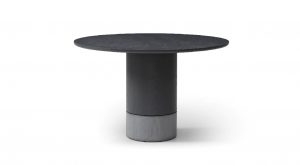
I recently replaced my old coffee table with one made from a new type of engineered wood. The material comes from rapidly growing bamboo and uses a resin developed through green chemistry. It looks warm and natural but resists scratches better than traditional hardwood.
According to research published by the U.S. Department of Energy on advanced materials, these new composites can cut a home's carbon footprint by reducing the energy needed for manufacturing and shipping.
Here's a quick comparison of popular materials:
| Material | Durability | Eco-Friendliness | Tech Integration | Price Range |
|---|---|---|---|---|
| Engineered Wood | High | Medium-High | Excellent | Medium |
| Carbon Fiber | Very High | Medium | Good | High |
| Recycled Plastic | High | Very High | Fair | Low-Medium |
| Solid Hardwood | Medium-High | Medium | Limited | High |
Smart Features That Make Life Easier
The most exciting part of The Role of Technology in Modern Furniture lies in how it simplifies daily routines. Beds now monitor your sleep patterns and adjust firmness throughout the night. Refrigerators with transparent doors let you see inside without opening them and wasting energy.
My favorite innovation might be the smart mirror that doubles as a dressing assistant. It analyzes your outfit, suggests accessories, and even orders new clothes in your size. While that level of convenience feels futuristic, it's already available.
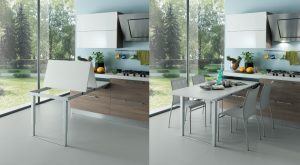
Voice control has become standard. You can tell your entertainment center to close its doors or ask your dining table to raise itself for a standing dinner party. These features once seemed gimmicky but now feel essential for accessible design.

The Timeless Appeal of Minimalist Armoires
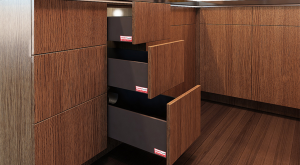
Even with all these technological advances, many people still love classic storage solutions. Minimalist armoires for modern interiors offer the perfect blend of old and new. These clean-lined cabinets hide technology while providing beautiful storage.
A well-designed armoire can conceal a television, sound system, and gaming consoles while looking like simple furniture. Many now include built-in outlets, cable management, and even climate control for valuable items.
I helped a client choose a walnut armoire last year. We selected one with RFID locks that open with a wave of your phone. Inside, it had custom lighting that turns on when the doors open. The piece looked completely traditional from the outside but worked like a high-tech command center.
The beauty of an armoire lies in its versatility. You can use it in a bedroom for clothes, in a living room for media, or in an office for supplies. Modern versions often feature slim profiles that fit smaller apartments perfectly.
Sustainability Through Technology
Perhaps the most important aspect of technology in furniture involves protecting our planet. Digital tools help designers minimize waste during production. Smart factories adjust cutting patterns in real-time to use every scrap of material.
Some companies now use blockchain technology to track furniture from forest to living room. This ensures responsible sourcing and gives buyers complete transparency.
I visited a factory last summer that uses solar power and AI to optimize every process. The furniture they produce lasts longer, which means we buy fewer pieces over time. That reduces overall consumption.
Consumers can also make better choices with technology. Apps now scan QR codes on furniture to show exactly how it was made, what materials were used, and how to repair it instead of replacing it.
Choosing the Right Tech-Enhanced Furniture
With so many options available, how do you decide what makes sense for your home? Start by identifying real problems you want to solve. Do you need better organization? Improved lighting? Help with accessibility?
Consider these questions before buying:
- How will this piece improve my daily routine?
- Does the technology feel necessary or just flashy?
- Can I repair or upgrade the tech components later?
- Does the design match my overall style?
I always recommend starting small. Maybe add smart lighting to an existing armoire before buying an entire connected bedroom set. This lets you experience The Role of Technology in Modern Furniture without overwhelming your space or budget.
Look for furniture that combines quality craftsmanship with thoughtful technology. The best pieces make the tech invisible until you need it. A beautiful minimalist armoire shouldn't announce its smart features at first glance.
The Future Looks Connected
We stand at the beginning of even more exciting developments. Soon, furniture might heal itself when scratched or change colors based on your mood. Some researchers work on pieces that generate electricity from movement.
The Massachusetts Institute of Technology continues pioneering work in this field. Their research on shape-changing materials suggests tables that can reconfigure themselves for different activities.
Despite all these advances, the core purpose of furniture remains the same. We need comfortable places to sit, surfaces for working, and storage for our belongings. Technology simply helps these items serve us better.
Summary
Technology transforms modern furniture in remarkable ways. It creates better materials, enables smarter features, and supports more sustainable practices. Yet the most successful designs still respect traditional values of beauty, function, and simplicity.
Whether you choose a high-tech desk or a classic minimalist armoire for modern interiors, focus on pieces that solve real problems in your life. The best furniture blends seamlessly into your home while quietly making your days easier and more enjoyable.