



Featured Post
Better Sleep: Small Changes for Big Results
Many people wish for better sleep but feel overwhelmed by where to begin. The truth is that small changes often create the biggest improvements in sleep quality and daily energy. This guide explores practical adjustments you can make tonight, including effective nightstand organization tips and tricks, thoughtful furniture choices, and easy habit tweaks that lead to better sleep: small changes for big results.
Why Quality Sleep Matters for Your Health and Happiness
Sleep affects everything from your mood to your immune system. When you rest well, your body repairs tissues, your brain processes memories, and hormones stay balanced. Poor sleep, on the other hand, can increase stress, reduce focus, and even raise risks for serious conditions like heart disease and weight gain.
According to the Sleep Foundation, most adults need seven to nine hours of quality sleep each night. Yet many of us fall short because our environments and routines work against us. I learned this the hard way after months of waking up tired despite spending enough time in bed. Simple adjustments changed everything for me, proving that better sleep comes from consistent small changes rather than massive overhauls.

Creating a Sleep-Friendly Bedroom Environment
Your bedroom should tell your brain it's time to rest. The furniture you choose and how you arrange it makes a surprising difference. Bulky or cluttered pieces can make the room feel chaotic instead of calm. Opt for simple designs that promote open space and relaxation.
Start by evaluating your nightstand. This important piece of furniture sits within arm's reach all night, so it deserves special attention. The right nightstand helps create a smooth bedtime routine while the wrong one adds visual stress.
Consider factors like height, material, and storage. A nightstand should be level with your mattress for easy access. Wood or matte finishes feel warmer and less stimulating than glossy metals. These small details in your furniture selection support the peaceful environment needed for deep sleep.
Nightstand Organization Tips and Tricks That Actually Work
A messy nightstand keeps your mind active when it should be winding down. Implementing smart nightstand organization tips and tricks can reduce anxiety and help you fall asleep faster. The key is keeping only what truly serves your rest.
Here are proven strategies that delivered results for me and many others:
- Clear the clutter: Remove electronics, paperwork, and random objects. Limit the surface to three to five items maximum.
- Choose purposeful items: Keep a lamp with warm light, a physical book, a water glass, and perhaps a small diffuser with lavender oil.
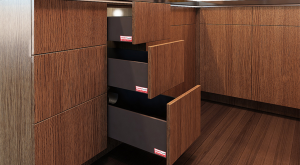
- Use hidden storage: Select nightstand furniture with drawers or cabinets to hide chargers, creams, and miscellaneous items that create mental noise.
- Create zones: Use a small tray for nighttime essentials and keep the rest of the surface completely clear.
- Add calming elements: A tiny plant or smooth stone can ground you, but avoid anything that sparks thoughts about daily responsibilities.
- Evening reset habit: Spend one minute each night tidying your nightstand as a signal that the day is done.
When I first tried these nightstand organization tips and tricks, I was skeptical. My nightstand had become a dumping ground for mail, gadgets, and half-read magazines. After clearing it and choosing better furniture with proper storage, I noticed my racing thoughts slowed down. The visual calm helped my nervous system relax. Research from environmental psychology supports this connection between tidy spaces and lower cortisol levels.

Building Better Evening Habits for Deeper Rest
While your physical space sets the stage, your habits determine whether you actually sleep well. Going to bed at roughly the same time each night trains your circadian rhythm. Even on weekends, try to stay within an hour of your usual schedule.
Screen time is one of the biggest sleep thieves. The blue light from phones and TVs tells your brain to stay awake by suppressing melatonin. Replace scrolling with reading or gentle stretching. I now read fiction for twenty minutes before bed, and it works much better than any sleep app.
Watch what you consume too. Avoid caffeine after 2 p.m. and heavy meals within three hours of bedtime. A light snack with protein and complex carbs, like banana with almond butter, can actually help some people sleep more soundly.
Temperature matters more than most realize. Most sleep experts recommend keeping your room between 60 and 67 degrees Fahrenheit. A hot shower before bed followed by a cool room creates the perfect temperature drop that signals sleep time.
Movement during the day also improves nighttime rest. Regular exercise reduces anxiety and helps you reach deeper sleep stages. Just avoid intense workouts within three hours of bedtime as they can be too stimulating.
My Personal Journey Toward Better Sleep
Two years ago I felt constantly drained. Despite having what I thought was a decent sleep setup, I tossed and turned for hours. My nightstand overflowed with reminders of unfinished work. The bedroom furniture felt heavy and disorganized.
I started with one small change: reorganizing my nightstand using the tips I later refined into the nightstand organization tips and tricks shared above. That single adjustment gave me confidence to make others. I replaced my bright ceiling light with softer lamps. I moved my nightstand furniture to a more convenient position and added blackout curtains.
The results appeared gradually but powerfully. Within ten days I fell asleep faster. After a month, I stopped waking up at 3 a.m. with racing thoughts. My energy during the day improved so much that colleagues asked what changed. The answer was simple: better sleep through small changes for big results.
I continue tweaking my approach. Some weeks I focus on consistency with my bedtime. Other weeks I refresh my bedroom setup. The process feels sustainable because each change is manageable.

Tracking Progress and Staying Consistent
Lasting change requires noticing what works for you. Keep a simple notebook by your newly organized nightstand. Each morning, rate your sleep quality from one to ten and note any changes you tried the night before. After two weeks, patterns become clear.
Some people benefit from white noise machines while others prefer total silence. You might discover that certain teas help you relax or that a weighted blanket makes you feel secure. The tracking process turns sleep improvement into a personalized experiment rather than guesswork.
Be patient with yourself. If you slip back into old habits, simply return to your organized nightstand routine as a reset button. Small consistent actions always beat occasional perfect efforts.
Consider sharing your journey with a partner or family member. When everyone in the house respects the calm bedroom environment, the benefits multiply.
Start Your Journey to Better Sleep Tonight
Better sleep doesn't require dramatic life changes. The most successful approach combines small adjustments to your space and habits. Begin with your nightstand. Apply a few organization tips and tricks, choose calming furniture that supports your needs, and establish one new evening routine. These steps create momentum that leads to surprisingly big results.
Your body and mind will thank you with deeper rest, brighter mornings, and more steady energy throughout the day. The power to transform your sleep lies in the small choices you make starting now.