



Featured Post
Choosing the Right Furniture for Small Spaces: Smart Solutions That Work
Overview
Living in a small apartment or compact home does not mean sacrificing style or comfort. Choosing the Right Furniture for Small Spaces involves smart planning, multifunctional designs, and thoughtful scaling. With the right approach, you can make every square inch count while keeping your space inviting and functional. This guide shares real-world insights to help you furnish smarter.
I once lived in a 400-square-foot studio in a bustling city. At first, bulky furniture made the place feel like a storage unit. After swapping in lighter, versatile pieces, the room opened up dramatically. That experience taught me that Choosing the Right Furniture for Small Spaces is about balance—function meets form without overwhelming the area.

Why Scale and Proportion Matter
When Choosing the Right Furniture for Small Spaces, start with accurate measurements. Grab a tape measure and note the room's dimensions, doorways, and traffic paths. Many people buy pieces that look perfect online only to discover they block walkways at home.
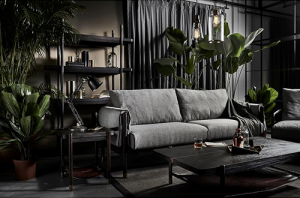
Furniture with exposed legs creates an illusion of more space by allowing light and floor to show underneath. Avoid heavy, skirted sofas or massive sectionals that hug the floor. Instead, opt for pieces that feel light and airy.
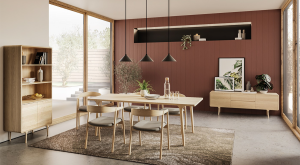
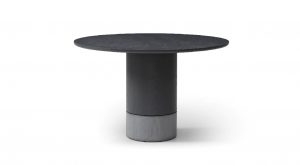
Round or oval tables often work better than square ones because they improve flow and take up less visual space. A small round dining table can seat four without dominating the room.
Embrace Multifunctional Furniture
The smartest move in small spaces is choosing items that serve multiple purposes. A storage ottoman acts as a footrest, extra seating, and hidden storage for blankets or books. Sleeper sofas turn your living area into a guest room instantly.
Lift-top coffee tables provide a workspace or dining surface while offering storage below. Beds with built-in drawers eliminate the need for extra dressers. These dual-purpose solutions free up floor area and reduce clutter.
In my own small home, a convertible sofa bed saved me during visits from family. During the day it looked like stylish seating; at night it provided comfortable sleeping space. Such pieces prove invaluable when square footage is limited.
Modern Armoires Design Ideas for Compact Homes
An armoire remains a classic storage hero, but today's versions shine in small spaces. Look for tall, slim designs that reach toward the ceiling and use vertical space efficiently. Modern armoires design ideas often include clean lines, minimalist hardware, and neutral finishes like light oak, white, or soft gray.
Corner armoires maximize awkward areas that usually go unused. Some models feature mirrored doors that reflect light and make the room appear larger. Others include adjustable shelves and drawers for flexible organization of clothes, linens, or even entertainment gear.
Choose an armoire with a shallow depth if floor space is tight. Sleek, handleless designs or those with push-to-open mechanisms keep the look streamlined. Pairing an armoire with open shelving nearby creates balance—closed storage for clutter and open display for personality.

Living Room Furniture That Maximizes Comfort
In small living rooms, scale down the sofa. A loveseat or apartment-sized sofa with slim arms often fits better than a full three-seater. Modular sectionals let you customize the layout to your room's shape.
Here is a quick comparison of popular options:
| Furniture Type | Best For | Space-Saving Benefit |
|---|---|---|
| Slim Loveseat | Couples or singles | Narrow profile leaves more floor space |
| Storage Ottoman | Extra seating and storage | Replaces coffee table and footrest |
| Nesting Tables | Flexible surfaces | Stack when not needed |
| Wall-Mounted Console | Entry or behind sofa | Uses vertical space only |
Add a few floating shelves or a narrow media console to keep electronics off the floor. This approach keeps the center of the room open for movement.
Bedroom Solutions for Restful Small Spaces
Your bedroom should feel like a retreat, not a crowded box. Platform beds with storage underneath provide ample room for seasonal clothes or extra bedding. Loft beds work wonders in studios by freeing the area below for a desk or seating.
When selecting an armoire for the bedroom, prioritize one that matches your bed's height and style. A shorter armoire can double as a TV stand in tight quarters, while a taller one draws the eye upward and makes ceilings feel higher.
Keep nightstands minimal—wall-mounted floating shelves save floor space and create a clean look. Use under-bed storage bins if your bed lacks built-in drawers.

Dining and Kitchen Areas in Tight Quarters
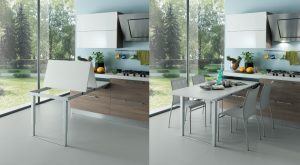
Drop-leaf or extendable tables adapt to your needs. Use them folded against the wall for daily life and expanded when guests arrive. Bar-height counters with stools can separate kitchen and living zones without bulky furniture.
Wall-mounted drop-leaf tables or folding chairs that hang on hooks when unused keep pathways clear. In tiny kitchens, rolling carts provide extra counter space and storage that you can tuck away easily.
Practical Tips for Choosing the Right Furniture for Small Spaces
- Measure everything twice before buying. Include height for tall pieces like armoires.
- Prioritize light colors and reflective surfaces to bounce light around the room.
- Choose furniture with clean lines and avoid overly ornate details that add visual weight.
- Incorporate vertical storage such as tall bookcases or wall systems.
- Test pieces in person whenever possible—comfort and scale matter most.
Personal insight: I learned the hard way that a beautiful oversized armchair can ruin traffic flow. Replacing it with two armless chairs improved both seating and movement.
Common Mistakes to Avoid
Many people overcrowd small rooms with too many small pieces, which creates visual clutter. Instead, use fewer, better-quality items. Another pitfall is ignoring lighting—dark furniture in dim rooms makes spaces feel smaller. Layer your lighting with floor lamps, wall sconces, and natural sources.
Steer clear of heavy, dark woods unless balanced with plenty of white or light tones. Always consider how the furniture will function daily, not just how it looks in a showroom.
In summary, Choosing the Right Furniture for Small Spaces comes down to thoughtful selection, multifunctionality, and clever use of scale and vertical space. An armoire can become a stylish focal point when chosen with modern design in mind, while sofas, tables, and beds that pull double duty transform cramped quarters into comfortable homes.
Apply these ideas step by step, and your small space will feel larger, more organized, and uniquely yours. Start with measurements and a clear plan—you will be amazed at the difference smart furniture choices make.
Ready to refresh your home? Explore more ideas and put these tips into action today.