








Featured Post
The Complete Guide to Furniture Care and Maintenance
Furniture is a big part of what makes your home feel like yours. From a trusty dresser to a cozy sofa, taking care of it keeps everything looking good and lasting longer. This guide covers cleaning, protecting, repairing, and maintaining your furniture with easy, practical tips you can start using today.
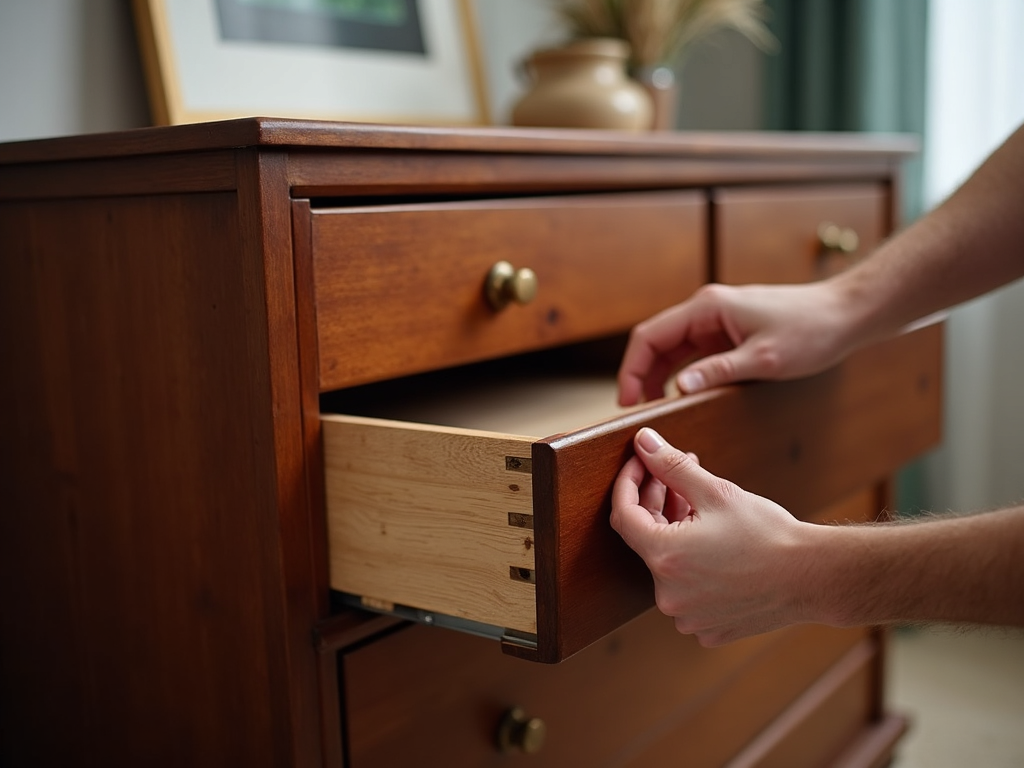
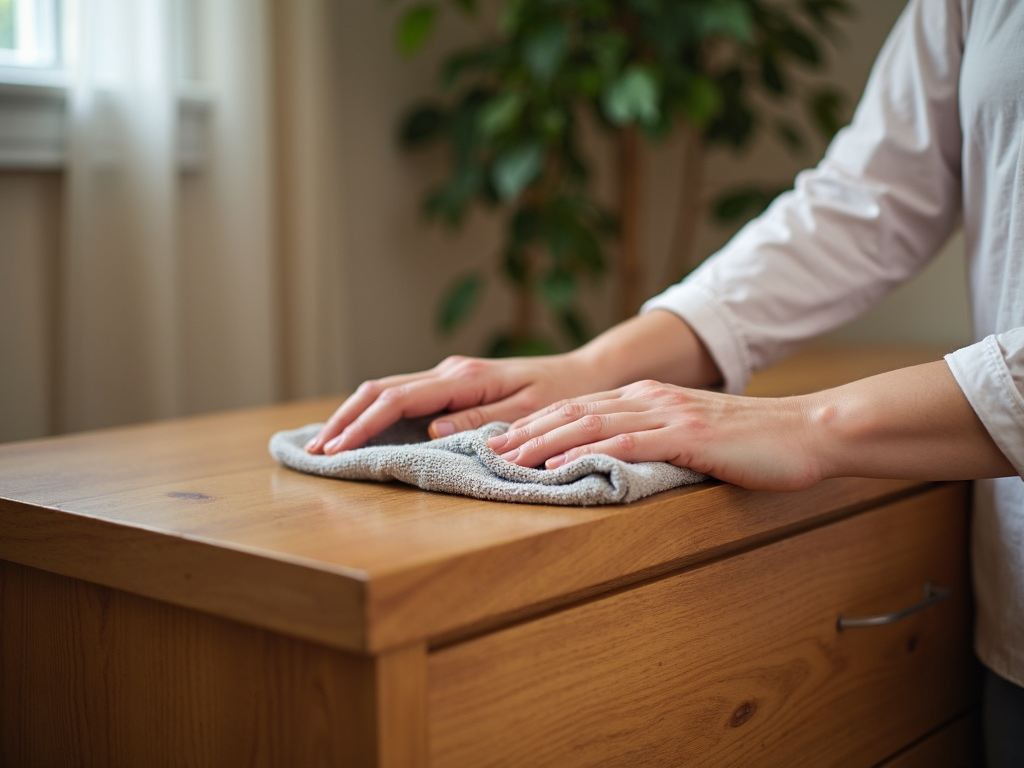
Cleaning is the foundation of furniture care. Different materials require different approaches, so it’s important to know what works best for each type.
-
Wood Furniture (e.g., dressers, tables)
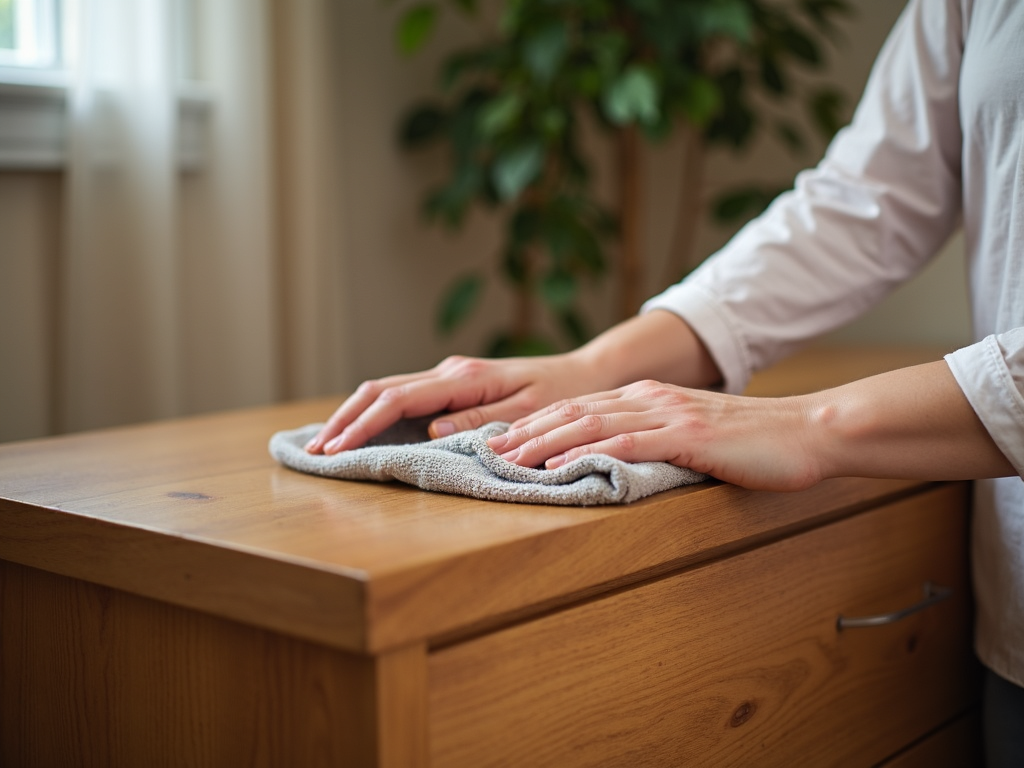
Wood is timeless but can be sensitive to harsh cleaners. A simple mixture of mild soap and water works wonders. Use a soft cloth to wipe down surfaces, and always dry immediately to avoid water spots. For stubborn stains, a bit of vinegar mixed with water can help—just be sure to test it on a small area first. Avoid commercial cleaners with harsh chemicals, as they can strip the finish. -
Leather Furniture
Leather needs gentle care to stay supple. A damp cloth for regular cleaning and a leather conditioner every few months to prevent cracking works best. If you spill something, blot it immediately—don’t rub, as that can spread the stain. -
Fabric Upholstery
Fabric can be tricky, especially with kids or pets. Vacuuming regularly helps prevent dirt buildup. For stains, a mixture of baking soda and water can lift most spots without damaging the fabric. Always check the manufacturer’s cleaning instructions first.
Pro Tip: No matter the material, always dust your furniture weekly with a microfiber cloth. It’s a small habit that makes a big difference in preventing scratches and keeping surfaces looking polished.
Even with the best care, accidents happen. Here’s how to handle some common problems.
-
Scratches on Wood
For minor scratches, a furniture marker or even a walnut (yes, really!) can work wonders. Rubbing a walnut over the scratch fills it in naturally. For deeper scratches, wood filler and a touch-up pen to match the color is recommended. -
Dents and Chips
If you have a small dent in wood, try placing a damp cloth over it and applying heat with an iron. The steam can help the wood expand back into shape. For chips, wood putty is your friend—just sand it smooth once it dries. -
Loose Joints or Wobbly Legs
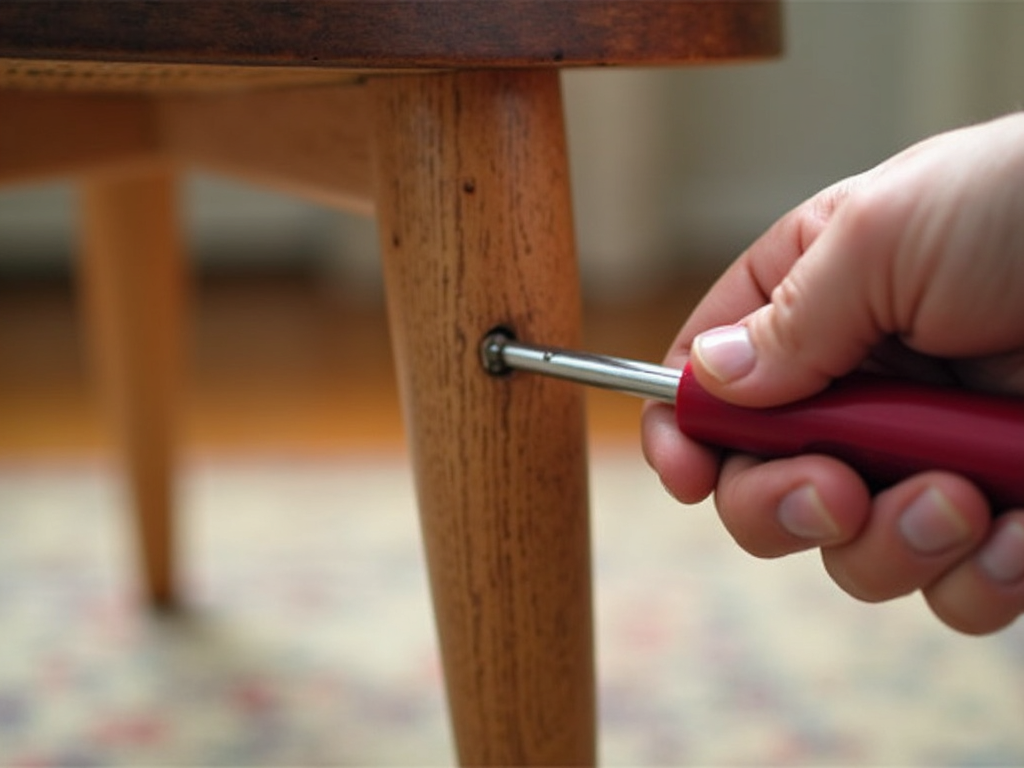
Over time, screws and bolts can loosen. Check and tighten them every few months. If a joint is still wobbly, a bit of wood glue can reinforce it.
Personal Insight: I once had a dresser with a wobbly leg that I ignored for too long. One day, it collapsed while I was moving it! Now, I check all my furniture regularly—it’s a small task that saves a lot of hassle.
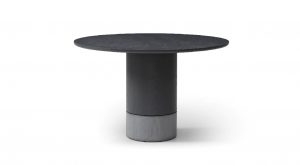
If you’re drawn to minimalist furniture design, you know that less is more—but that also means each piece needs to shine. Here are a few tips to keep your minimalist space looking its best.
-
Focus on Quality Over Quantity
Minimalist design often features fewer, high-quality pieces. Invest in furniture made from durable materials like solid wood or metal, and prioritize timeless designs that won’t go out of style. -
Embrace Simplicity in Care
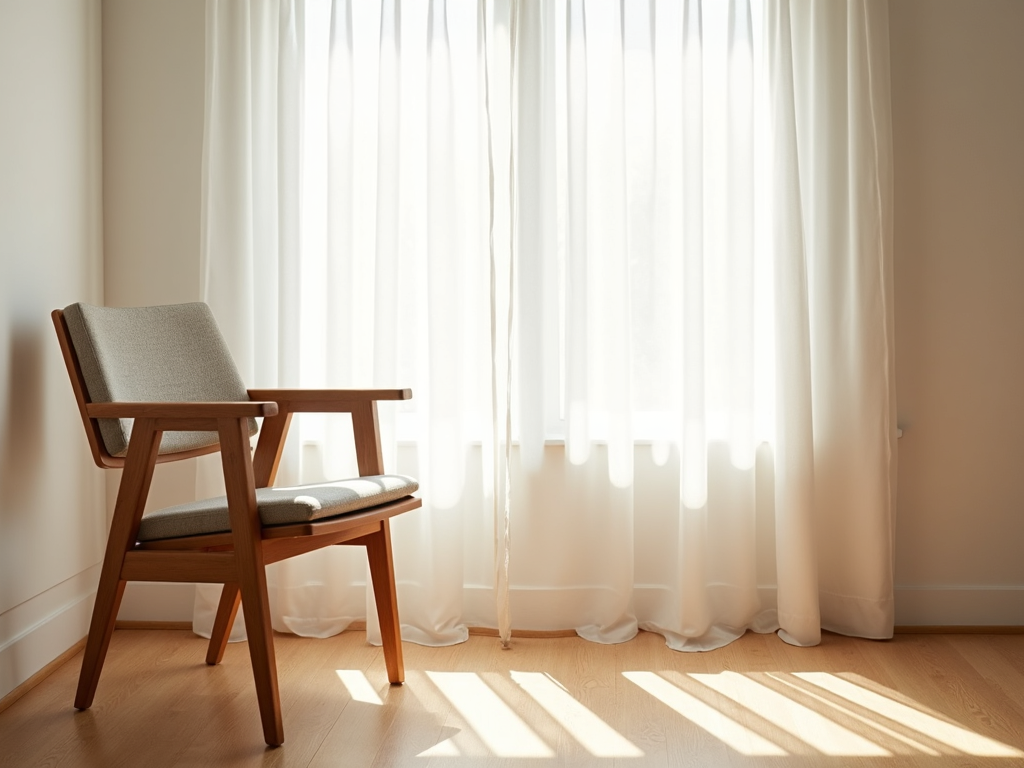
Minimalist furniture often has clean lines and fewer embellishments, which makes cleaning easier. Stick to the basics: regular dusting, gentle cleaning, and occasional polishing. -
Use Neutral Colors for Versatility
Neutral tones like white, black, or gray are staples in minimalist design. They’re also easier to maintain since they don’t show dirt as quickly as bolder colors.
List: Top Minimalist Furniture Care Tips
- Dust regularly to maintain a sleek, uncluttered look.
- Use furniture pads under heavy pieces to avoid floor scratches.
- Opt for multi-functional furniture to reduce clutter and simplify care.
This guide not only provides a complete furniture care and maintenance guide but also integrates insights on minimalist design, ensuring it’s both practical and inspiring. By following these tips, you’ll be able to keep your furniture in top shape while creating a space that feels fresh and inviting.