




Featured Post
Guide to Furniture Materials: Everything You Need to Know
Furniture is an essential part of our homes, and choosing the right material can make a big difference in terms of durability, style, and functionality. This guide will help you understand the different types of furniture materials, their characteristics, and how to choose the best one for your needs.
Introduction to Furniture Materials
Furniture comes in a wide variety of materials, each with its own unique properties and benefits. From classic wood to modern metal, the material you choose can greatly impact the look, feel, and longevity of your furniture. In this guide, we'll explore the most common furniture materials, their pros and cons, and how to choose the right one for your home.
Wood: The Classic Choice
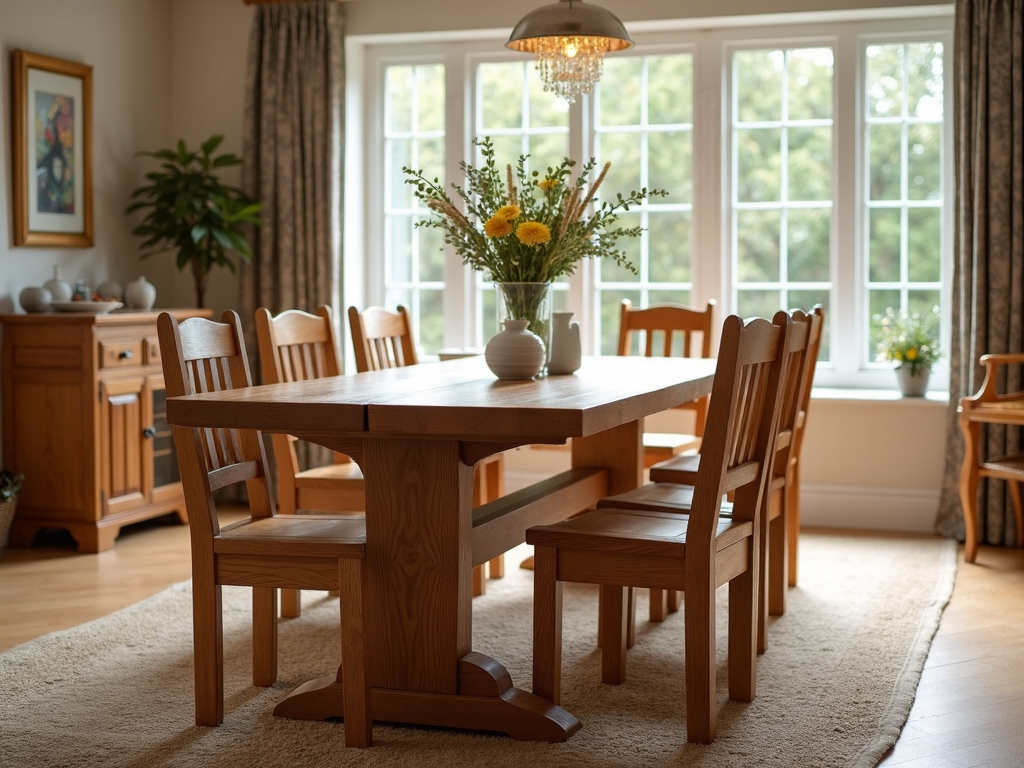
Wood is perhaps the most traditional and popular material for furniture. It's known for its warmth, beauty, and durability. There are two main types of wood used in furniture: hardwood and softwood. Hardwoods like oak, maple, and cherry are denser and more durable, making them ideal for pieces that need to withstand heavy use, like dining tables or bed frames. Softwoods like pine and cedar are lighter and less expensive, often used for decorative pieces or budget-friendly furniture.
| Type of Wood | Characteristics | Best For |
|---|---|---|
| Oak | Durable, strong, distinctive grain | Dining tables, chairs |
| Maple | Hard, resistant to wear, light color | Kitchen cabinets, flooring |
| Cherry | Rich color, smooth grain, ages well | Fine furniture, cabinets |
| Pine | Soft, lightweight, affordable | Budget furniture, rustic decor |
| Cedar | Aromatic, resistant to insects, moisture-resistant | Outdoor furniture, chests |
Metal: Modern and Durable
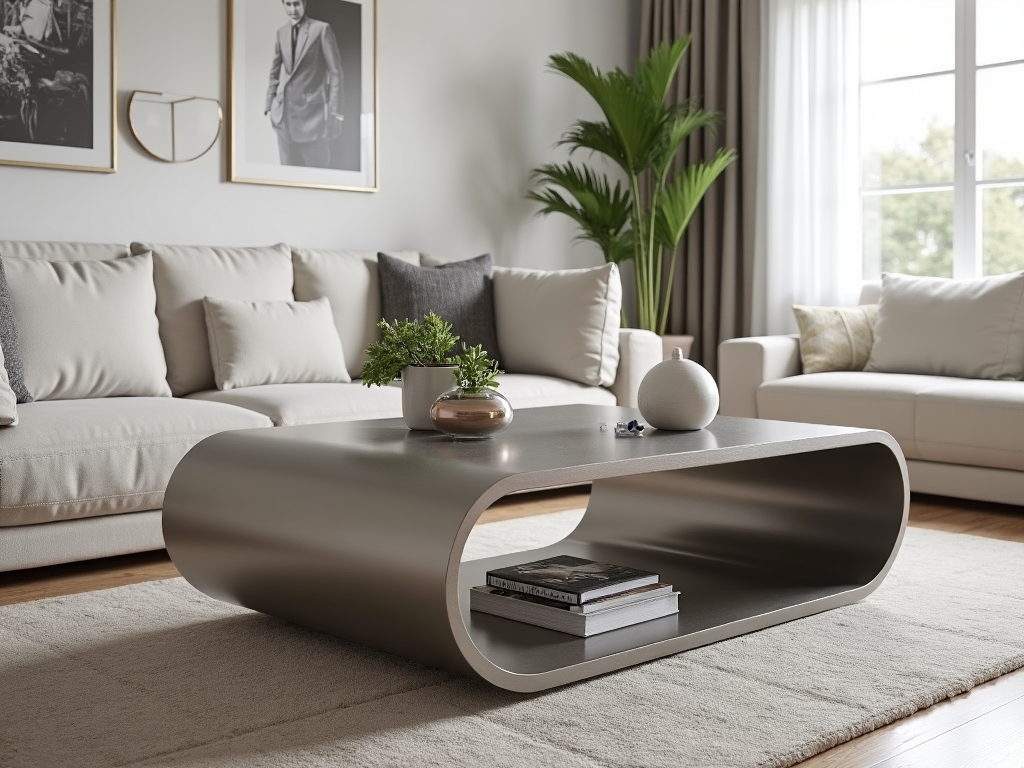
Metal furniture has gained popularity in recent years for its sleek, modern look and durability. Common metals used in furniture include steel, aluminum, and wrought iron. Steel is strong and sturdy, often used for industrial-style pieces. Aluminum is lightweight and resistant to rust, making it great for outdoor furniture. Wrought iron is heavy and ornate, perfect for decorative pieces like bed frames or garden benches.
Pros: - Durable and long-lasting - Modern and sleek appearance - Easy to clean and maintain
Cons: - Can be heavy and difficult to move - May rust if not properly treated - Can be cold to the touch
Plastic: Affordable and Versatile
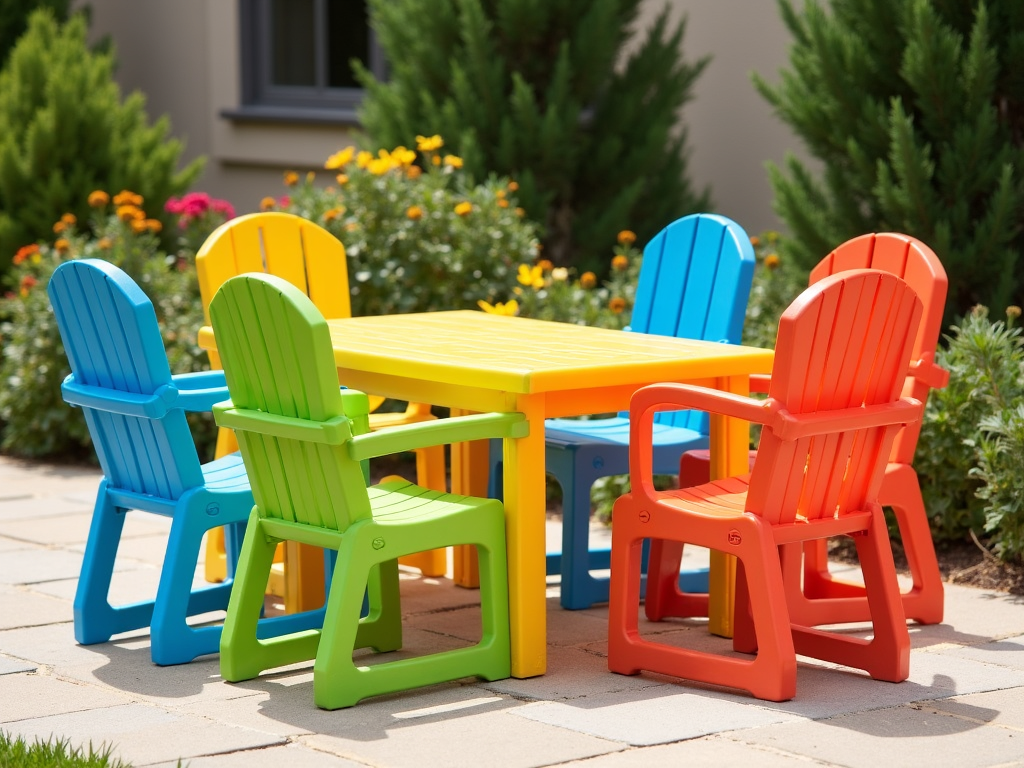
Plastic furniture is often associated with affordability and versatility. It's lightweight, easy to clean, and comes in a wide range of colors and styles. Common types of plastic used in furniture include polypropylene and polycarbonate. Polypropylene is flexible and resistant to impact, while polycarbonate is strong and transparent, often used for modern, see-through designs.
Advantages: - Affordable - Lightweight and easy to move - Water-resistant and easy to clean
Disadvantages: - May not be as durable as other materials - Can look cheap or tacky if not designed well - May not be environmentally friendly
Upholstery Fabrics: Comfort and Style
Upholstery fabrics are used to cover furniture like sofas, chairs, and ottomans, adding comfort and style. Common fabrics include cotton, linen, leather, and synthetic materials like polyester or microfiber. Cotton is soft and breathable but can stain easily. Linen is elegant and durable but wrinkles easily. Leather is luxurious and ages well but can be expensive. Synthetic fabrics are often more affordable and stain-resistant but may not be as breathable.
Tips for choosing the right fabric: - Consider the usage: For high-traffic areas, choose durable, stain-resistant fabrics. - Think about maintenance: Some fabrics require more care than others. - Match the style: Choose fabrics that complement your decor.

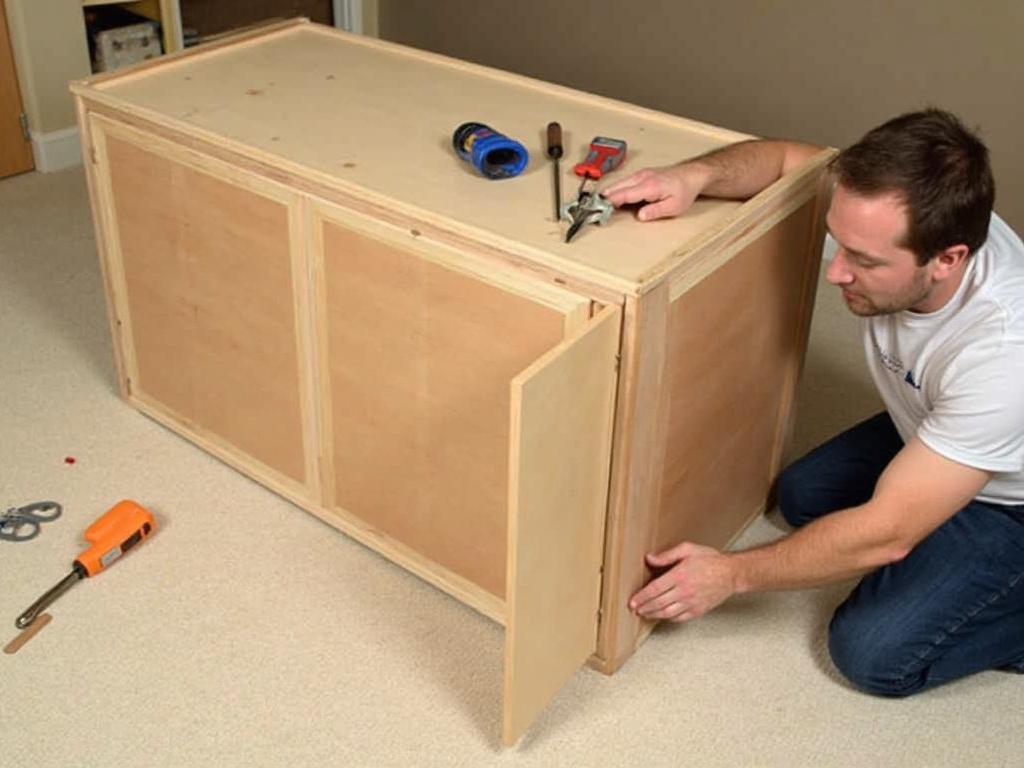
DIY Furniture Assembly Guide: Assembling a Dresser
Assembling furniture can be a daunting task, but with the right tools and instructions, it can be a rewarding DIY project. In this section, we'll provide tips and a step-by-step guide for assembling a dresser, one of the most common pieces of furniture.
Tools needed: - Screwdriver (Phillips and flathead) - Hammer - Allen wrench (often provided with the furniture) - Level - Measuring tape
General tips: - Read the instructions carefully before starting. - Lay out all parts and hardware to ensure nothing is missing. - Work on a flat, clean surface to avoid scratches. - Tighten screws gradually to ensure even assembly. - Use a level to check that the dresser is straight.
Step-by-step guide: 1. Prepare the workspace: Clear a large area and lay out all parts. 2. Assemble the frame: Attach the sides to the back panel using screws. 3. Install the drawers: Slide the drawers into the frame, ensuring they fit snugly. 4. Attach the top: Secure the top panel to the frame. 5. Add hardware: Install knobs or handles on the drawers. 6. Check stability: Make sure the dresser is level and stable.
Maximizing Storage with Efficient Furniture
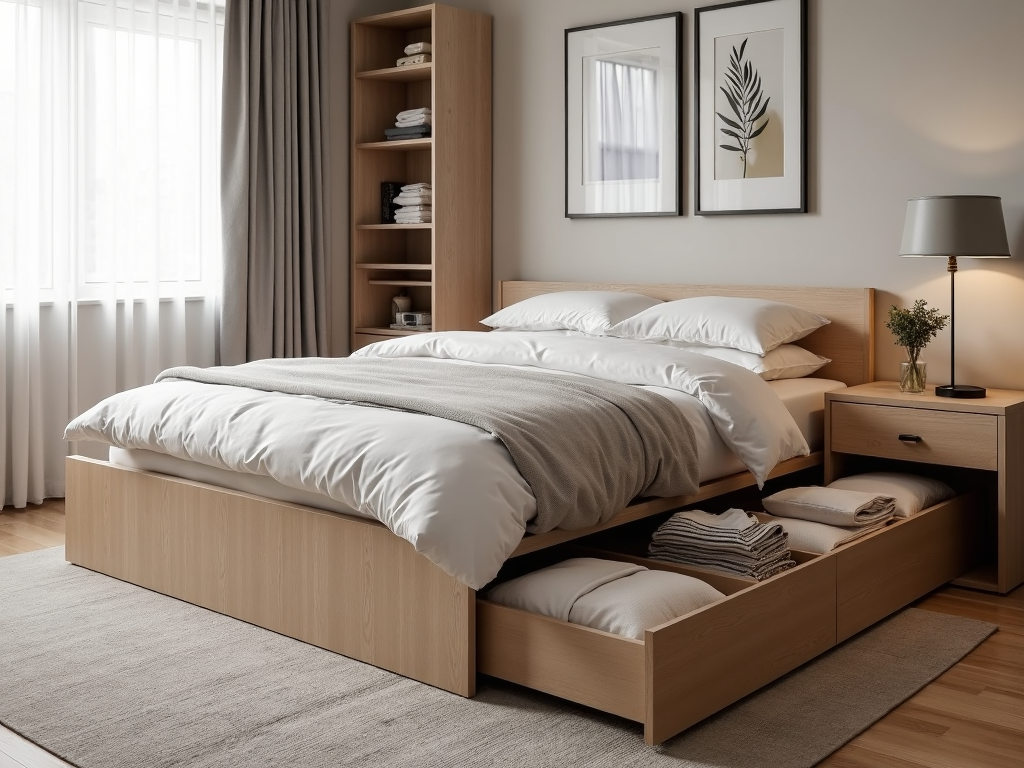
Maximizing storage with efficient furniture is key to keeping your home organized and clutter-free. Here are some tips on choosing furniture that serves multiple purposes and makes the most of your space.
- Choose multi-functional furniture: Look for pieces like ottomans with storage, beds with built-in drawers, or coffee tables with shelves.
- Opt for vertical storage: Tall bookcases or wall-mounted shelves can make use of vertical space.
- Use furniture with hidden storage: Many furniture pieces have hidden compartments for extra storage.
- Arrange furniture strategically: Place furniture in a way that maximizes floor space and creates storage opportunities.
Summary
In this guide, we've explored the different types of furniture materials, their pros and cons, and how to choose the right one for your needs. We've also provided tips on assembling furniture, particularly dressers, and maximizing storage with efficient furniture. Remember, the key to choosing the right furniture is to consider your lifestyle, budget, and personal style.