


Featured Post
Decluttering 101: Simple Steps to a Tidier Home
Feeling overwhelmed by clutter? You're not alone. A tidy home doesn't require a massive makeover—just small, consistent steps. In this guide, you'll discover straightforward methods to declutter any space and maintain it long-term, starting with the easiest wins.
Why Decluttering Matters
Clutter isn't just about mess—it affects your mood and focus. Studies show that people in cluttered environments experience higher stress levels and lower productivity. A tidy space helps you relax and think more clearly.
The good news? You don't need to spend weeks or buy fancy storage solutions. Start small, stay consistent, and build momentum.
Step 1: Set Your Intention
Before touching anything, ask yourself:
- Why do I want a tidier home?
- What will feel different when it's done?
Common answers include less stress, easier cleaning, more time for hobbies, or just feeling calmer at home. Write your reason down—it keeps you motivated when things get tough.
Step 2: Start with One Small Area
Trying to tackle the whole house at once leads to burnout. Pick one tiny zone first:
- A single drawer
- Your nightstand
- One shelf in the closet
- The kitchen counter
Small wins build confidence fast.
Nightstand Organization Tips and Tricks
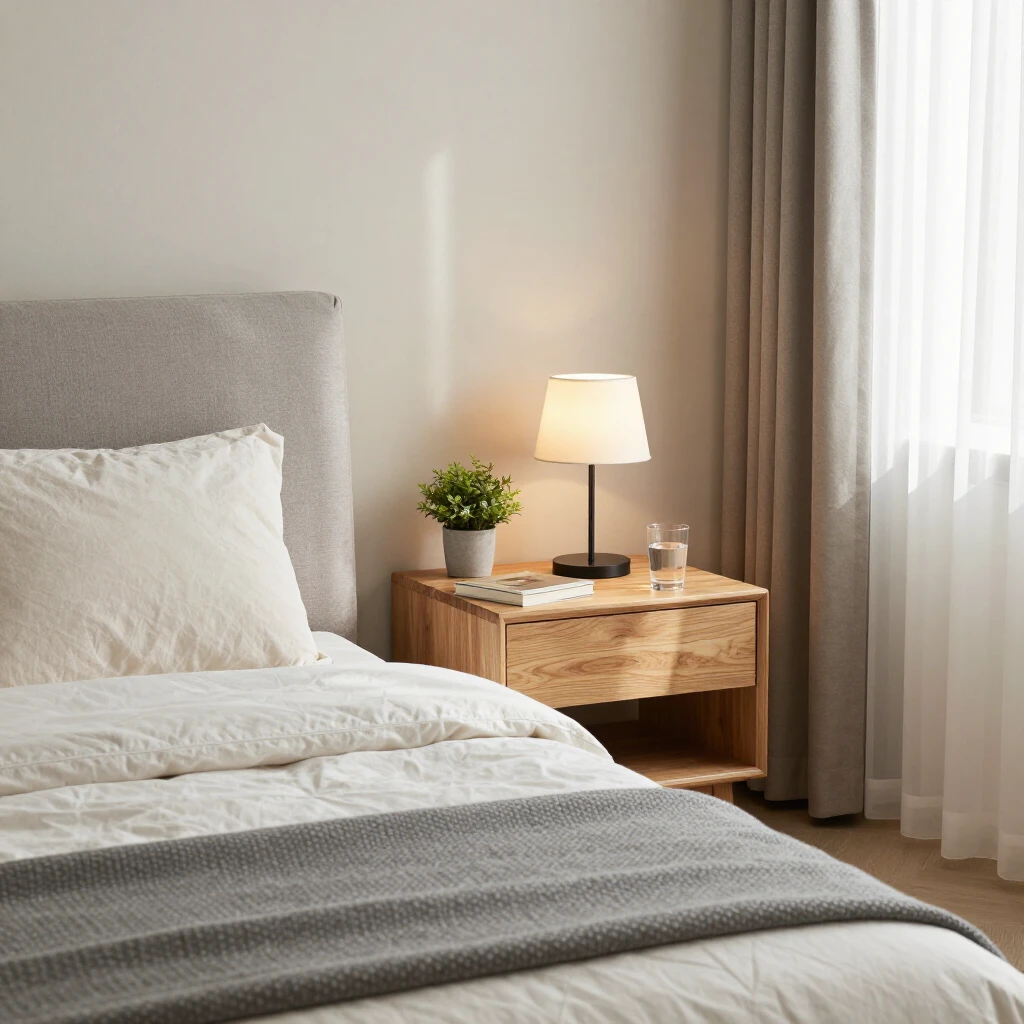
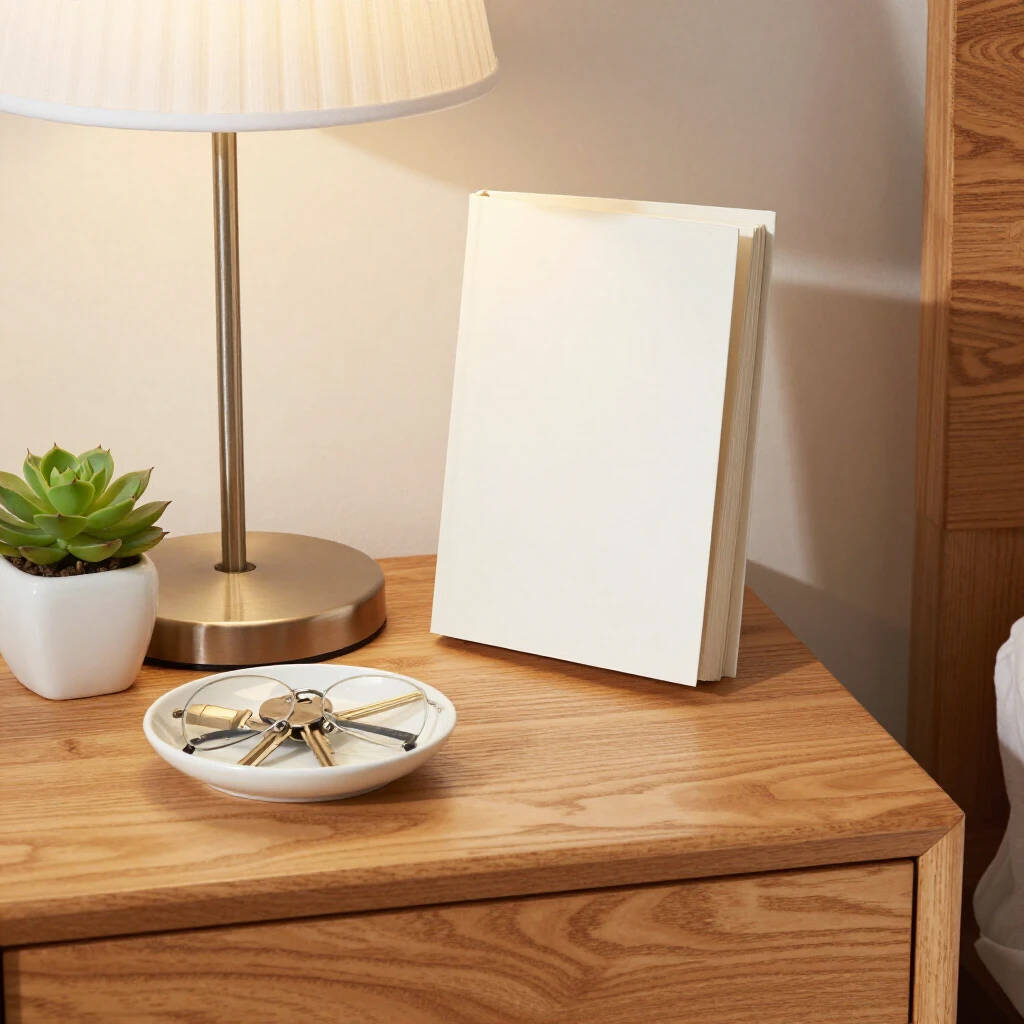
Your nightstand is often the last thing you see before sleep and the first thing you see in the morning. Keeping it calm makes a big difference.
Quick Nightstand Declutter Checklist:
- Remove everything
- Keep only: lamp, alarm clock/phone, 1–2 books, water glass, and one personal item
- Store charging cables in a small drawer or box
- Use a small tray or dish for jewelry, earplugs, or lip balm
- Wipe the surface clean
Pro tip: Limit yourself to five items maximum on top. Less really is more.
Many people keep old receipts, half-read magazines, and random chargers on their nightstand. Once you clear those, the entire room instantly feels calmer.
Step 3: Use the Keep / Donate / Trash / Relocate Method
Sort every item into one of four categories:
| Category | What goes here | Next action |
|---|---|---|
| Keep | Items you use and love | Put back neatly |
| Donate | Good condition, but you don't use | Box and drop off |
| Trash | Broken, expired, or useless | Throw away or recycle |
| Relocate | Belongs somewhere else in the house | Move to correct room later |
Be honest. If you haven't used something in 12 months (except seasonal items), it's probably time to let it go.
Step 4: Create Simple Systems
Decluttering is only half the battle. The other half is preventing new clutter. Build easy habits:
- One in, one out rule – For every new item you bring in, remove one old one.
- Five-minute tidy – Set a timer every evening and put things away for just five minutes.
- Designated spots – Give every item a home (keys, mail, shoes, etc.).
These small routines stop clutter from creeping back.
Step 5: Tackle Bigger Areas
Once small zones feel manageable, move to larger spaces:
- Closet – Try the hanger trick: hang all clothes backward. After six months, anything still facing backward hasn't been worn.
- Kitchen – Keep only what you use weekly. Store rarely used items (like the turkey roaster) in hard-to-reach places.
- Paper clutter – Set up a simple filing system: Action, Bills, Important, Archive.
Common Mistakes to Avoid
- Buying storage bins before decluttering (you might not need them)
- Trying to do everything in one weekend
- Keeping items “just in case”
- Focusing only on visible surfaces while ignoring drawers
The Science of Clutter
According to research from the University of California, Los Angeles (UCLA Center on Everyday Lives of Families), the average American home contains over 300,000 items. That sheer volume creates mental overload. Reducing possessions can lower cortisol levels and improve focus.
Another study from the National Institutes of Health (NIH) links cluttered environments to higher procrastination and lower self-esteem. A tidy space supports better mental health.
Final Thoughts
Decluttering 101: Simple Steps to a Tidier Home is about progress, not perfection. Start with your nightstand tonight. You’ll be amazed how much calmer one small area can make your entire home feel.
Pick one tiny spot, sort honestly, and enjoy the peace that follows.