








Featured Post
Donating vs. Recycling: What’s the Difference?
Donating and recycling both keep items out of landfills, but they work in different ways. Donating gives usable goods a second life with new owners. Recycling breaks materials down to create new products. Understanding the difference helps you make smarter choices for your home and the planet.

Many people treat donating and recycling as the same thing. They are not. The difference matters for the environment, your community, and even your wallet. This guide breaks down Donating vs. Recycling: What’s the Difference? - The Spruce style, with clear steps you can use today.
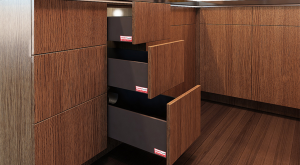
I once cleared out a six-drawer dresser that had become a catch-all for old shirts, socks, and random papers. Sorting those drawers forced me to decide: donate what still worked or recycle what did not. That simple process changed how I handle clutter. It also showed me how Sustainable Living: Donating and Recycling Unwanted Items can feel practical instead of overwhelming.
Why the Difference Matters
The U.S. Environmental Protection Agency ranks waste options in a clear order. Source reduction and reuse sit at the top. Recycling comes lower. Donating falls under reuse because the item stays whole and useful. Recycling changes the item into raw material.
When you donate a working lamp or a pair of jeans in good shape, someone else uses it right away. No new energy goes into making a replacement. When you recycle a broken plastic container, the material gets processed and turned into something new. Both actions help, but reuse usually saves more resources.
According to the EPA’s recycling basics and benefits page, the agency promotes a waste management hierarchy that prioritizes reducing and reusing materials over recycling. This ranking is based on environmental impact, energy use, and pollution reduction.
When to Donate
Donate items that are clean, intact, and still useful. Think clothing without major holes, furniture that is sturdy, books in readable condition, and kitchen tools that work. Local charities, thrift stores, and shelters often accept these goods.
Donating supports people who need affordable options. It also keeps usable items out of the waste stream longer. For textiles alone, the numbers are striking. Research from the National Institute of Standards and Technology shows that only about 15 percent of used clothes and textiles in the United States get reused or recycled. The rest go to landfills or incinerators.
Before you drop off a bag, check the organization’s guidelines. Some places cannot take certain items, such as mattresses or large appliances. Clean everything and remove personal items. A quick wipe and a folded stack make the donation more likely to be accepted and used.

When to Recycle
Recycle items that are broken, stained beyond use, or made of materials that local programs accept. Paper, cardboard, clean plastic bottles, aluminum cans, and glass usually belong in the recycling bin. Check your city’s rules. Not every plastic number is accepted everywhere.
Recycling conserves natural resources and energy. The EPA notes that recycling reduces the need to extract new timber, water, and minerals. It also cuts pollution from landfills and incinerators. Still, recycling requires collection, sorting, and processing. That uses energy. Reuse avoids those steps.
Electronics follow special rules. Many communities offer drop-off events or retail take-back programs. Wipe personal data first. The EPA’s electronics donation and recycling guidance explains that donating or recycling consumer electronics conserves resources and avoids air and water pollution.
Practical Tips for Everyday Decisions
Start with a simple question for every item: Can someone else use this as it is? If yes, donate. If no, can the material be recycled? If neither works, it may need to go in the trash as a last resort.
Here is a quick checklist:
- Clothing and linens in good shape → donate
- Torn or stained textiles → check textile recycling programs
- Working small appliances → donate or sell
- Broken appliances → recycle metal parts if possible
- Clean paper and cardboard → recycle
- Dirty or food-soiled paper → trash or compost if accepted
I apply this same filter when I organize. Recently I tackled a six-drawer dresser that held mixed clothing, old papers, and forgotten gadgets. Organizing tips for a six-drawer dresser begin with emptying every drawer onto a clean surface. Sort into four piles: keep, donate, recycle, and trash. Wipe the drawers, then return only the keep items in neat categories—socks in one, shirts in another. The donate pile went to a local shelter the same day. The recycle pile left with the next curbside pickup. The dresser looked lighter, and so did my conscience.
Connecting Donation and Recycling to Home Style
Sustainable choices do not require a bare home. Eco-Friendly Home Decor Ideas often start with what you already own or can find secondhand. A donated wooden side table can become a plant stand. A recycled glass jar can hold kitchen utensils. Thrifted frames give new life to family photos.
When you clear space by donating and recycling, you create room for intentional pieces. Choose durable materials. Avoid trends that fade in a season. A well-organized dresser with only items you use feels calmer than one stuffed with unused clothes. That calm supports long-term sustainable habits.
Many people discover that the act of sorting itself changes shopping habits. Once you see how many usable things leave your home, you buy less. You pause before bringing new items in. That pause is the heart of source reduction—the top of the EPA hierarchy.

Common Mistakes to Avoid
Do not donate items that are dirty, broken, or incomplete. Charities spend time and money sorting unusable goods, and many end up in the trash anyway. One university environmental center notes that a large share of donated clothing still reaches landfills because it arrives in poor condition.
Do not put non-recyclable items in the recycling bin hoping they will somehow get processed. This is called wish-cycling. It contaminates loads and can send entire batches to the landfill. When in doubt, check local guidelines or leave the item out.
Do not ignore smaller items. Buttons, zippers, and fabric scraps from unwearable clothes can sometimes go to specialty recyclers. A quick online search for textile recycling near you often turns up options.
Building a Habit That Lasts
Make donation and recycling part of regular home care. Keep a small bin or bag in a closet for future donations. When it fills, drop it off. Place recycling containers where you generate the most waste—kitchen for packaging, home office for paper.
Involve the household. Kids can sort clean paper and plastic. Partners can help decide which furniture still has life. Shared decisions make the process faster and more consistent.
Track the impact in simple ways. Note how many bags you donate each season. Notice how much less trash goes to the curb. Small numbers add up. Over a year, one household’s careful choices can keep hundreds of pounds of usable goods circulating and materials out of landfills.
Final Thoughts
Donating vs. Recycling: What's the Difference? by The Spruce comes down to one practical test: Can the item serve its original purpose for someone else? If yes, donate. If the material can become something new, recycle. Both steps support Sustainable Living: Donating and Recycling Unwanted Items. Pair them with smart organizing tips for a six-drawer dresser and thoughtful Eco-Friendly Home Decor Ideas, and your home becomes lighter, cleaner, and kinder to the planet.
Start with one drawer or one shelf this weekend. Sort, decide, and act. The difference between donating and recycling is clear once you practice it. Your future self—and the people who receive your usable goods—will thank you.