






Featured Post
Easy Ways to Care for Leather Furniture
Overview
Leather furniture adds a touch of elegance and luxury to any home. However, to keep it looking its best, it requires proper care and maintenance. This article provides easy and effective ways to care for your leather furniture, ensuring it remains a stunning centerpiece in your living space for years to come.
Why Leather Furniture Needs Special Care
Leather is a natural material made from animal hides that have been tanned and treated. While durable, it can be affected by environmental factors like humidity, temperature, and light. Leather can absorb oils and moisture, leading to stains or mold if not properly cared for. Understanding these characteristics is key to providing the right care.
Regular Cleaning
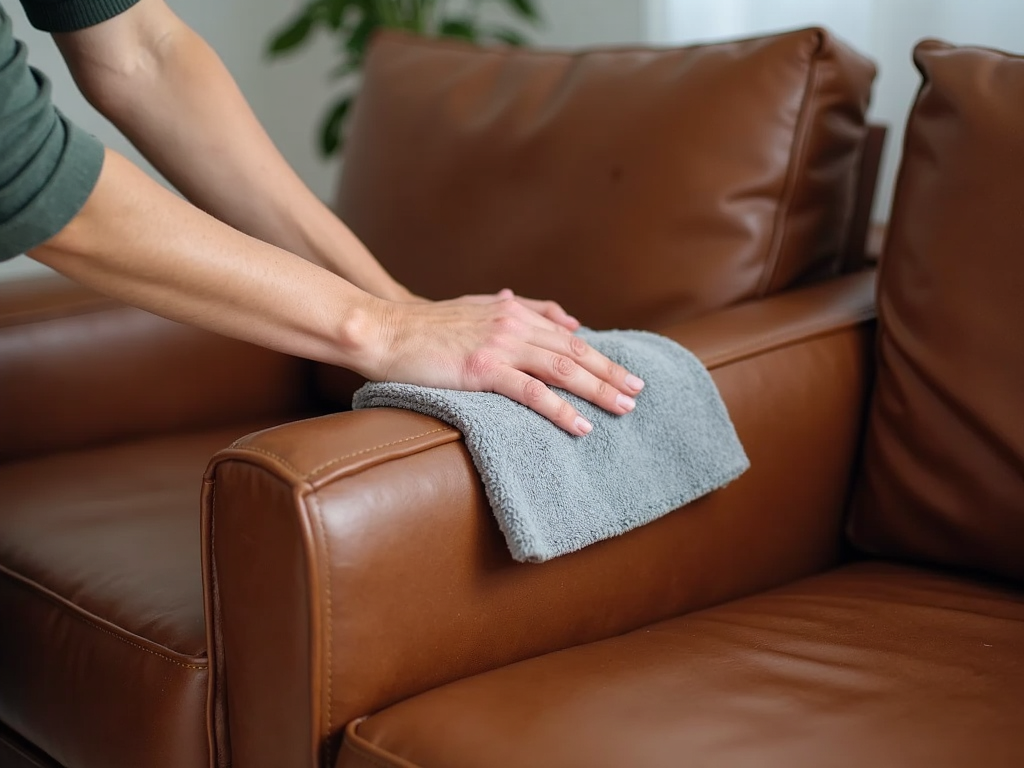
To keep your leather furniture looking fresh, it's essential to clean it regularly. Start by dusting the surface with a soft, dry cloth to remove loose dirt and debris. For a deeper clean, use a vacuum with a soft brush attachment to gently remove dirt from crevices and seams. Avoid using harsh chemicals or abrasive cleaners, as they can damage the leather's finish. Instead, opt for a mild soap solution or a cleaner specifically designed for leather. When cleaning, always start by removing loose dirt with a soft brush or cloth. Then, mix a solution of mild soap and water, and use a damp cloth to gently wipe the leather. Avoid soaking the leather, as too much water can damage it. After cleaning, use a dry cloth to remove excess moisture and let the furniture air dry.
Conditioning Your Leather
Just like your skin, leather needs moisture to stay supple and prevent cracking. Conditioning your leather furniture every 6-12 months is crucial. Choose a high-quality leather conditioner and apply a small amount to a soft cloth. Gently rub the conditioner into the leather using circular motions, covering the entire surface. Be sure to test the conditioner on a small, inconspicuous area first to ensure it doesn't discolor the leather. Conditioning replenishes the natural oils in the leather that can be lost over time due to exposure to air and use. When selecting a conditioner, look for products that are specifically designed for leather furniture and avoid those with silicone or wax, which can leave a residue. Apply the conditioner sparingly and buff it with a clean cloth for a natural shine.
Protecting Your Leather Furniture
To prevent damage, avoid placing your leather furniture in direct sunlight or near heat sources like radiators or fireplaces. UV rays and heat can cause the leather to fade and dry out. Additionally, keep sharp objects away from the furniture to prevent scratches. If you have pets, consider using a leather protector to guard against claws and teeth. Regularly rotating cushions and using arm covers can also help distribute wear evenly. In humid climates, leather can be prone to mold and mildew, so it's important to keep it dry and well-ventilated. In dry climates, leather can dry out quickly, so more frequent conditioning may be necessary.
Handling Spills and Stains
Accidents happen, but acting quickly can prevent permanent damage. If a spill occurs, blot it immediately with a clean, dry cloth. Do not rub, as this can spread the stain. For water-based spills, a damp cloth may suffice, but for oil-based or ink stains, you may need a specialized leather cleaner. Always follow the manufacturer's instructions and test any cleaning solution on a hidden area first. For example, if you spill wine, blot the area and then use a mixture of water and vinegar to clean it. For ink, a cotton swab dipped in rubbing alcohol can help lift the stain.
Personal Insight: A Lesson Learned
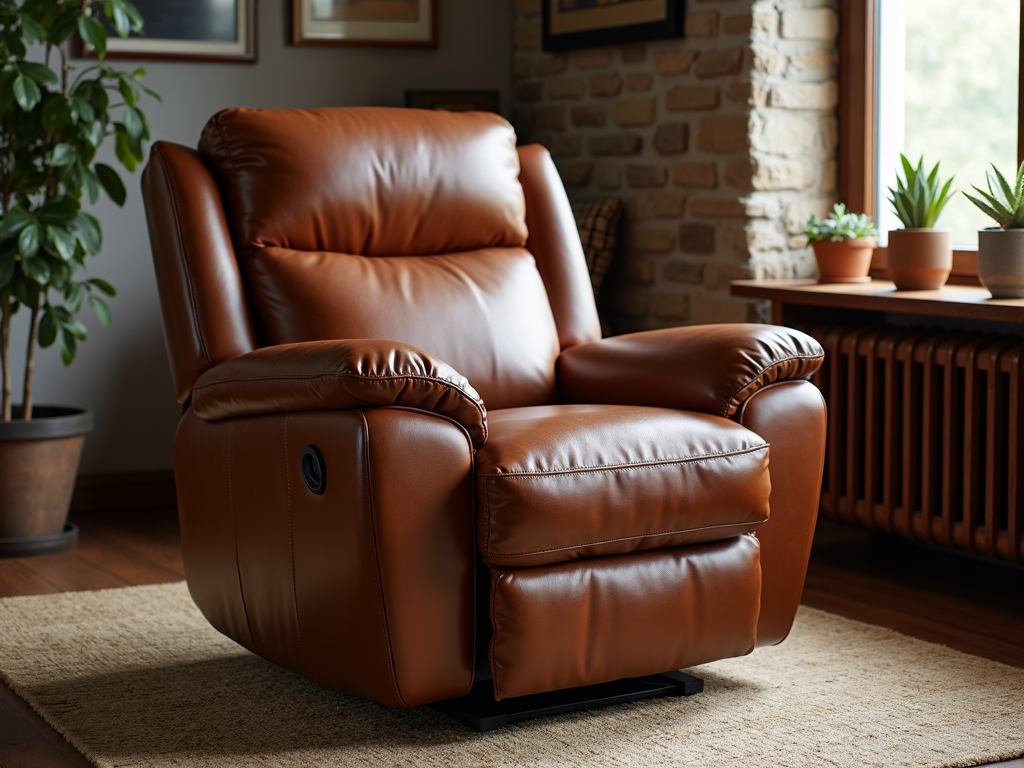
I remember the first time I bought a leather recliner from a luxury furniture collection. It was a beautiful piece, and I was determined to keep it looking pristine. One evening, I accidentally spilled coffee on it. Panicked, I quickly blotted the spill with a dry cloth and then used a mild soap solution to clean the area. To my relief, the stain came out completely, and the leather looked as good as new. This experience taught me the importance of acting quickly and using the right cleaning methods.
Do's and Don'ts of Leather Furniture Care
- Do dust your leather furniture weekly.
- Do condition it every 6-12 months.
- Do blot spills immediately.
- Don't use harsh cleaners or abrasives.
- Don't place leather furniture in direct sunlight.
- Don't let pets on the furniture without protection.
Choosing the Right Products
Over the years, I've tried several leather care products, and I've found that natural, pH-balanced cleaners and conditioners work best. They keep the leather soft and supple without leaving a greasy residue. It's worth investing in high-quality products to protect your investment. Additionally, be aware that different types of leather, such as aniline or pigmented, may require specific care. Check with the manufacturer or a leather care expert if you're unsure.
Troubleshooting Common Leather Issues
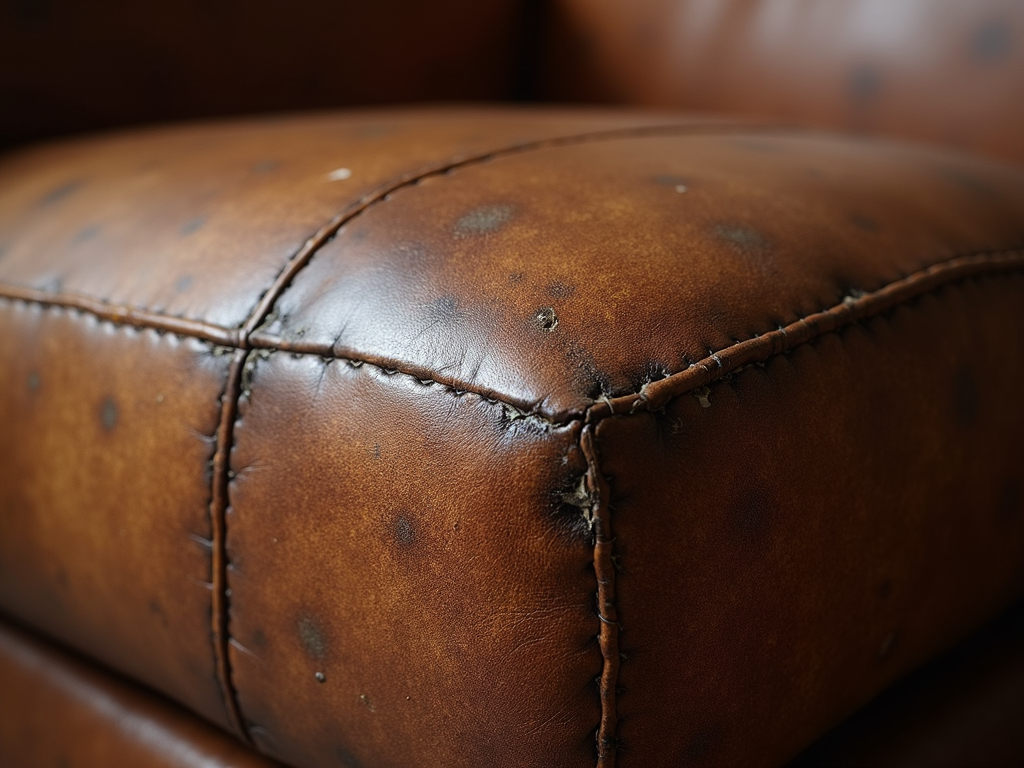
- Scratches: For minor scratches, you can use a leather repair kit or gently rub the area with a soft cloth to blend it in.
- Fading: If your leather has faded, consider using a leather recoloring balm to restore its color. Always test on a small area first.
- Stiffness: If the leather feels stiff, it may need conditioning. Apply a leather conditioner and gently massage it into the material.
When to Seek Professional Help
If you're unsure about how to handle a particular issue or if the damage is extensive, it's best to consult a professional leather cleaner or restorer. They have the expertise and tools to handle delicate repairs.
The Benefits of Regular Care
By following these simple care tips, you can extend the life of your leather furniture significantly. Regular cleaning and conditioning not only keep it looking beautiful but also help maintain its value. Whether you have a classic leather sofa or a modern recliner, proper care ensures that your furniture remains a luxurious and comfortable part of your home for many years.
Summary
Caring for leather furniture doesn't have to be complicated. With regular cleaning, conditioning, and protection from damage, you can keep your leather pieces looking their best. Remember to act quickly on spills and use the right products for your specific type of leather. By following these easy tips, you'll enjoy the elegance and comfort of your leather furniture for years to come.