






Featured Post
Choosing the Right Office Chair for Your Needs
Choosing the right office chair is crucial for your health and productivity. With so many options available, it can be overwhelming to find the perfect chair for your needs. This article will guide you through the process of selecting the right office chair, considering factors such as ergonomics, comfort, and style.
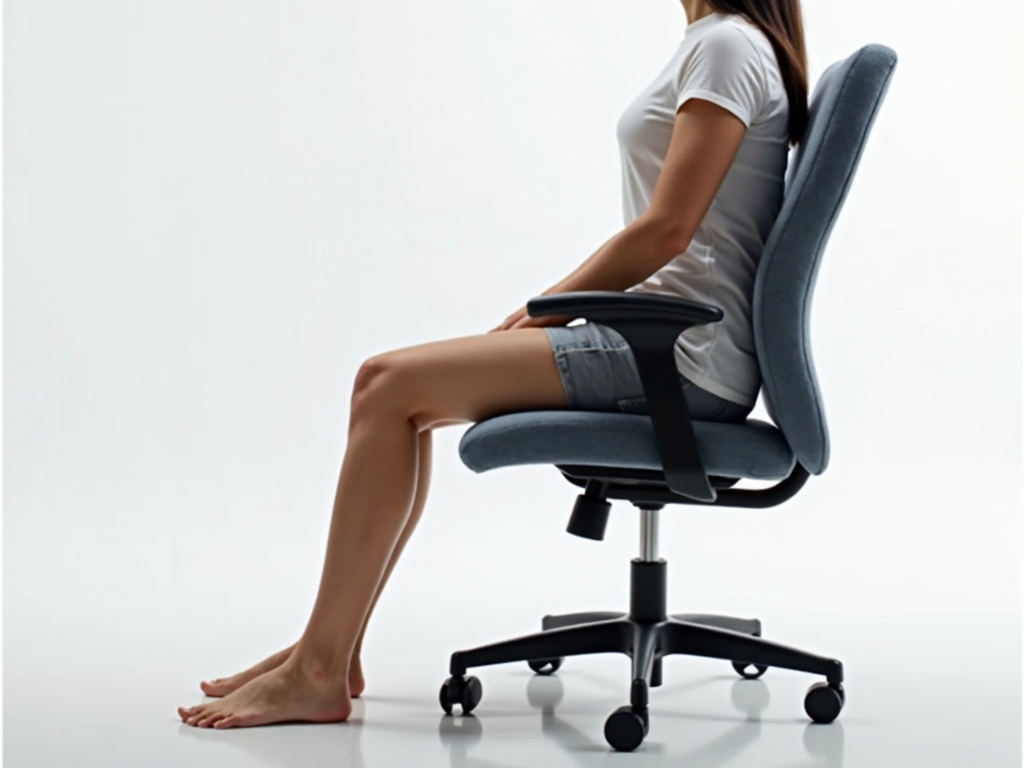
Types of Office Chairs
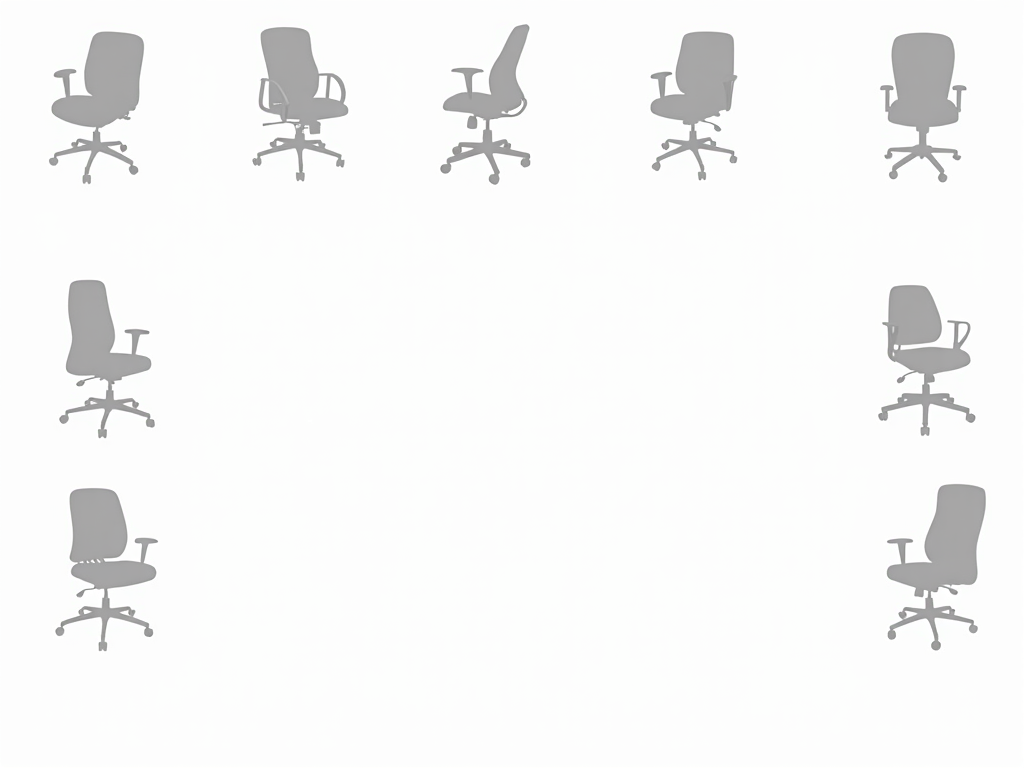
There are several types of office chairs available, each with its own unique features and benefits. Here are some of the most common types:
-
Task Chairs: These are the most basic type of office chair, designed for general use. They typically have adjustable height and backrest, and are suitable for short periods of sitting.
-
Executive Chairs: These chairs are designed for executives and managers, and are typically larger and more luxurious than task chairs. They often have high backs, padded armrests, and adjustableros, and adjustable lumbar support.
-
Ergonomic Chairs: These chairs are designed to provide optimal support and comfort for the user. They often have adjustable features such as seat height, backrest angle, and armrest height.
-
Gaming Chairs: These chairs are designed for gamers and are typically equipped with features such as built-in speakers, vibration, and adjustable armrests.
Benefits of Choosing the Right Office Chair
Choosing the right office chair can have numerous benefits for your health and productivity. Here are some of the key benefits:
-
Improved Posture: A good office chair can help you maintain proper posture, reducing the risk of back pain and other musculoskeletal disorders.
-
Reduced Back Pain: A chair with good lumbar support can help alleviate back pain and discomfort.
-
Increased Productivity: A comfortable chair can help you stay focused and productive throughout the day.
-
Better Circulation: A chair with adjustable height and tilt can help improve blood circulation and reduce the risk of varicose veins.
-
Enhanced Comfort: A chair with a comfortable seat and backrest can make long hours of sitting more bearable.
How to Test an Office Chair Before Buying It
Before buying an office chair, it's important to test it to ensure it meets your needs. Here are some tips for testing an office chair:
-
Sit in the chair for a few minutes: This will give you a sense of how comfortable the chair is and whether it provides adequate support.
-
Adjust the settings: Make sure the chair has adjustable features such as height, backrest angle, and armrest height, and that they are easy to use.
-
Check for comfort and support: Pay attention to how the chair feels on your back, neck, and legs, and whether it provides good lumbar support.
-
Look for quality materials: Check the chair's construction and materials to ensure they are durable and long-lasting.
-
Consider the warranty: Look for a chair with a good warranty to protect your investment.
Factors to Consider When Choosing an Office Chair
When choosing an office chair, there are several factors to consider to ensure you find the right one for your needs. Here are some of the most important factors:
-
Ergonomics: Look for a chair that provides good lumbar support, adjustable height, and a comfortable seat.
-
Comfort: Consider the material and padding of the chair, as well as the size and shape of the seat.
-
Style: Choose a chair that fits your personal style and the decor of your office.
-
Budget: Determine how much you're willing to spend on an office chair and look for options within your budget.
Choosing the Right Office Chair for Specific Needs
Different people have different needs when it comes to office chairs. Here are some tips for choosing the right chair for specific needs:
-
For People with Back Pain: Look for a chair with good lumbar support, adjustable backrest, and a comfortable seat. Consider chairs with built-in massage or heat therapy.
-
For Tall or Short Individuals: Make sure the chair has adjustable height and seat depth to accommodate your height. Look for chairs with adjustable armrests and backrests.
-
For Long Hours at the Desk: Choose a chair with good padding and support, as well as adjustable features to allow for movement and changes in position.
-
For Home Offices: Consider the style and design of the chair to match your home decor, as well as the functionality and comfort.
Common Mistakes to Avoid When Choosing an Office Chair
When choosing an office chair, it's easy to make mistakes that can lead to discomfort and poor posture. Here are some common mistakes to avoid:
-
Buying a chair that's too big or too small: Make sure the chair fits your body type and the space you have available.
-
Not considering adjustability: Look for a chair with adjustable features such as height, backrest angle, and armrest height.
-
Ignoring lumbar support: A chair with good lumbar support is essential for maintaining proper posture and reducing back pain.
-
Choosing style over comfort: While style is important, comfort should be your top priority when choosing an office chair.
-
Not testing the chair before buying: Always test the chair before buying to ensure it meets your needs.
Top Office Furniture Trends for Health and Comfort
The office furniture industry is constantly evolving, with new trends emerging to improve health and comfort in the workplace. Here are some of the top trends:
-
Eco-Friendly Materials: Many manufacturers are now using sustainable materials such as recycled plastic, bamboo, and reclaimed wood to create eco-friendly office furniture.
-
Smart Furniture: Some office furniture now comes equipped with built-in sensors and technology to track your health and productivity.
-
Task-Specific Furniture: There are now furniture pieces designed for specific tasks, such as gaming or creative work.
-
Standing Desks: Standing desks have become a popular alternative to traditional sitting desks, offering numerous health benefits.
Standing Desks: Benefits and Tips
Standing desks allow you to work while standing, reducing the amount of time you spend sitting. Here are some of the key benefits:
- Reduced Sitting Time
- Improved Posture
- Increased Energy
- Better Circulation
Tips for Using a Standing Desk:
- Start Slowly
- Use a Mat
- Wear Comfortable Shoes
- Adjust the Height
- Take Breaks

Tips for Maintaining and Caring for Your Office Chair
Once you've chosen the right office chair, it's important to maintain and care for it to ensure it lasts for years to come. Here are some tips:
-
Clean the chair regularly: Use a soft cloth and mild soap to clean the chair, and avoid using harsh chemicals or abrasive materials.
-
Adjust the chair correctly: Make sure the chair is adjusted to the correct height and angle to avoid strain on your back and neck.
-
Use a chair mat: If you have a hardwood or tile floor, use a chair mat to protect the floor and prevent the chair from slipping.
In conclusion, choosing the right office chair is essential for your health and productivity. By considering factors such as ergonomics, comfort, and style, you can find the perfect chair for your needs. Remember to maintain and care for your chair to ensure it lasts for years to come.