



Featured Post
Essential Furniture Choices for Small Spaces: Smart Solutions That Maximize Every Inch
Quick Overview
Living in a small space doesn't mean sacrificing style or comfort. With the right Essential Furniture Choices for Small Spaces, you can create a functional, cozy home. This guide shares practical tips and real experiences to help you make smart decisions that open up your rooms.

Small apartments and tiny homes present unique challenges. Every piece of furniture must work hard. I've lived in studios under 500 square feet, and I've learned that multifunctional items change everything.
Why Multifunctional Furniture Wins in Small Spaces
Traditional furniture takes up too much room. Instead, choose pieces that serve multiple purposes. A sofa bed lets you host guests without a spare room. Storage ottomans hide blankets and act as extra seating or tables.
In my first tiny apartment, I replaced a bulky coffee table with a lift-top one. It stored remotes and coasters but rose to dining height when needed. Simple swap, big difference.
Small Space Living: Furniture Hacks You’ll Wish You Knew Sooner
Here are proven Small Space Living: Furniture Hacks You’ll Wish You Knew Sooner:
- Opt for furniture with legs — Raised pieces create visual openness and let light flow underneath.
- Use vertical space — Tall bookshelves or wall-mounted desks free up floors.
- Choose light colors — Neutral or pale tones make rooms feel larger.
- Go modular — Pieces you rearrange adapt to changing needs.
- Incorporate mirrors — They reflect light and double perceived space.
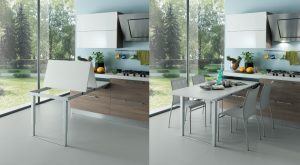
One hack I love: wall-mounted fold-down tables. They serve as desks or dining spots then tuck away. Perfect for work-from-home in tight quarters.
Living Room Essentials
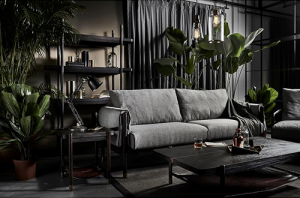
Focus on seating and storage. A slim sofa with storage underneath handles daily use and clutter. Add stackable chairs for guests.
Avoid oversized sectionals. They dominate small rooms. Instead, try a loveseat plus accent chairs for flexibility.

Bedroom Focus: Nightstands That Work Hard
Bedrooms in small spaces need smart choices. Nightstands often get overlooked, but they impact daily comfort.
How to Choose the Perfect Nightstand for Your Bedroom
When figuring out How to Choose the Perfect Nightstand for Your Bedroom, consider these factors:
- Height — Match or slightly exceed mattress top (2-4 inches higher) for easy reach.
- Width — Proportional to bed size; narrow for tight spots.
- Storage — Drawers or shelves hide essentials.
- Style — Wall-mounted saves floor space in tiny rooms.
- Material — Lightweight options move easily.
I once used a tiny floating shelf as a nightstand. It held my lamp and phone, keeping the floor clear for better flow.
Easy DIY Nightstand Upgrades
Easy DIY Nightstand Upgrades breathe new life into basics. Paint an old table fresh color. Add hairpin legs for modern lift.
Stack vintage suitcases for quirky storage. Or build from crates: secure together, add legs, paint. Cheap, customizable, charming.

Nightstand Organization Tips
Cluttered nightstands disrupt calm. Use these nightstand organization tips:
- Clear top daily — Keep only lamp, book, water.
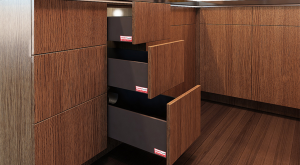
- Use drawer dividers — Separate chargers, meds, jewelry.
- Add trays — Corral small items.
- Charge devices inside drawers — Hide cords.
- Limit to essentials — Relocate extras elsewhere.
My routine: top drawer for electronics (with charging station), middle for toiletries, bottom for books. Keeps things tidy and accessible.
Kitchen and Dining Smart Picks
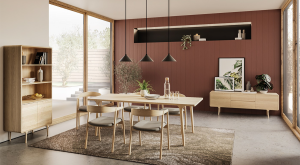
Extend ideas to other areas. Foldable dining tables expand when needed. Bar carts double as kitchen islands or serving stations.
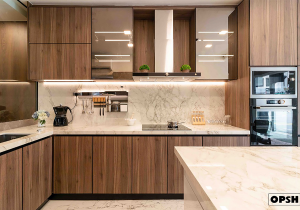
In tiny kitchens, rolling carts add storage and mobility. Wall-mounted shelves hold dishes vertically.
Final Thoughts
Mastering Essential Furniture Choices for Small Spaces creates homes that feel spacious and personal. Start small — swap one piece — and build from there. Multifunctional items and clever hacks make tight living enjoyable.