


Featured Post
Minimalist Office Decor Tips for Tiny Spaces: Create a Calm, Productive Workspace
Overview
Working from a tiny space doesn't mean sacrificing style or productivity. These Minimalist Office Decor Tips for Tiny Spaces help you create a clean, focused environment that feels open and inviting. With smart choices, you can turn even the smallest corner into an efficient workspace. (38 words)
In my experience, switching to a minimalist setup transformed my cramped apartment nook from chaotic to calming. Less stuff meant fewer distractions and better daily focus. Let's dive into actionable steps to achieve the same.

Why Minimalism Works in Tiny Offices
A minimalist approach reduces visual noise. Studies show that clutter increases stress and lowers focus. Removing excess items clears mental space too.
In small areas, every inch counts. Minimalism encourages only essential pieces, making the room feel larger and more breathable. You gain better flow and easier cleaning.
Start with Decluttering
Begin by removing everything from your space. Keep only items you use daily for work. Donate, store, or discard the rest.
Ask yourself: Does this spark focus or distraction? In tiny spaces, one unused mug or stack of papers steals valuable real estate.
Choose the Right Desk
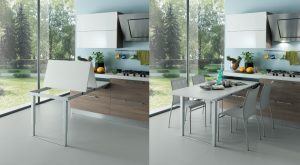
Opt for compact, multifunctional desks. Wall-mounted or floating desks free floor space. Fold-down options work great when you need to switch modes.
Innovative Furniture Solutions for Tiny Offices include desks with built-in storage or those that convert from shelves. These maximize every square foot without overwhelming the area.

Prioritize Ergonomics
Even in small spaces, comfort matters. Poor setup leads to back pain or fatigue. Follow guidelines for office furniture for ergonomic workstations to stay healthy during long hours.
Adjust your chair so feet rest flat on the floor and knees form 90-degree angles. Position your monitor at eye level to avoid neck strain. For more details, check the Mayo Clinic's guide to office ergonomics, which explains neutral body positioning.
The OSHA eTools on computer workstations recommends keeping elbows close to your body and taking short breaks to stretch.
In tiny setups, use a laptop stand plus external keyboard. This lifts the screen and keeps wrists neutral. A footrest helps if your chair sits too high.
Lighting and Color Choices
Use natural light whenever possible. It makes spaces feel bigger and boosts mood. Add a slim LED lamp for task lighting without clutter.
Stick to light, neutral colors like white, beige, or soft gray on walls and furniture. These reflect light and create openness. Avoid dark tones that shrink the room.
Storage Solutions
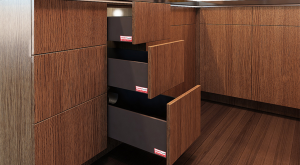
Go vertical. Wall shelves or pegboards hold supplies without eating floor space. Use closed cabinets or baskets to hide items and maintain calm visuals.
Cable management keeps things tidy. Bind cords or use under-desk trays. Less visible chaos equals better concentration.

Maximizing Small Office Spaces with Smart Layout
Place your desk against a wall or in a corner to open the center. Use mirrors to reflect light and add depth if possible.
Keep pathways clear. A small rug defines the zone without overwhelming. Add one or two plants for life—low-maintenance ones like succulents fit minimalist style.
Personal Touches Without Clutter
Limit decor to meaningful items: a framed photo, one piece of art, or a favorite mug. These add warmth but don't distract.
In my own tiny office, one small plant and a neutral wall hanging created calm without excess. It made long workdays more enjoyable.
Daily Habits for Maintenance
End each day by clearing your desk. A quick five-minute tidy prevents buildup. Regularly review items to ensure they earn their spot.
Summary
Minimalist Office Decor Tips for Tiny Spaces focus on essentials: declutter, choose smart furniture, prioritize ergonomics, and use light colors. These changes create a productive, peaceful workspace no matter the size. Start small—one change at a time—and enjoy the results.