





Featured Post
Your Guide to Furniture Care Basics
Caring for your furniture is essential to maintain its beauty and longevity. This guide provides the basics of furniture care, focusing on wooden furniture and how to control humidity in your home. With personal insights and practical tips, you’ll learn how to keep your furniture looking its best for years to come.
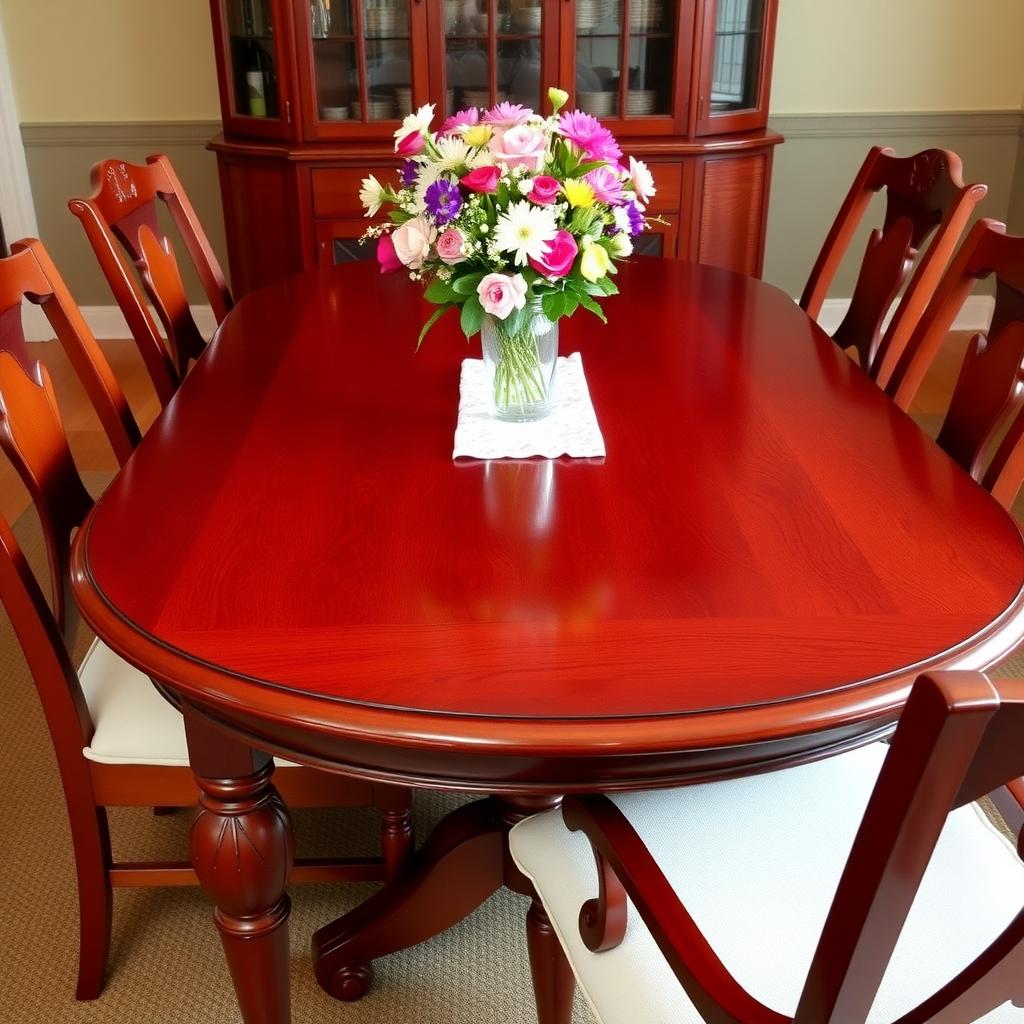
Furniture Care and Maintenance Tips
Proper care extends beyond wooden furniture to all types in your home. Here are some general tips to keep your furniture in excellent condition.
-
Regular Cleaning
Dust and dirt can cause scratches over time. I clean my furniture weekly with a soft cloth and, for deeper cleaning, use a mild soap solution. -
Use the Right Cleaning Products
Different materials require different care. For wooden furniture, I use a gentle wood cleaner, while for upholstered pieces, I prefer fabric-safe sprays. Avoid harsh chemicals, as they can strip finishes or damage fabrics. -
Protect from Spills and Stains
Use coasters, placemats, and tablecloths to prevent spills. If a spill happens, clean it immediately with a soft cloth and mild soap. I’ve found that quick action prevents most stains from setting. -
Vacuum Upholstered Furniture
For upholstered pieces, regular vacuuming removes dirt and debris. I vacuum my couch and chairs monthly to keep them looking fresh.
For additional tips, the American Cleaning Institute offers excellent resources on maintaining various furniture types.
Caring for Bar Stools
Bar stools are a stylish addition to any kitchen or bar area, but they require specific care based on their material.
-
Choosing the Right Bar Stool
Bar stools come in various styles—wooden, metal, or upholstered. When selecting one, consider your home’s decor and the height of your counter. I chose wooden bar stools for their classic look and durability. -
Caring for Wooden Bar Stools
Clean wooden stools with a damp cloth and mild soap. I apply furniture polish every few months to maintain their shine and protect the finish. -
Protecting the Legs
Use felt pads on the legs to prevent scratches on your floors. I learned this after noticing scuff marks from moving my stools without protection. -
Maintaining Upholstered Bar Stools
If your stools are upholstered, vacuum them regularly to remove dust. For stains, use a fabric cleaner suitable for the material.
For more on choosing and maintaining bar stools, visit this guide from the Furniture Industry Research Association.
Summary
Caring for your furniture is essential to preserve its beauty and extend its lifespan. By following these tips—whether it’s protecting wooden pieces, controlling humidity, or maintaining bar stools—you can keep your furniture looking its best. Regular care and attention will ensure your home remains a welcoming and stylish space.
Top 10 Ways to Protect Wooden Furniture
Wooden furniture brings charm to your home, but it needs care to stay in great shape. Here are ten ways to protect it, based on my own experiences and lessons learned.
-
Dust Regularly
Dust builds up fast and can scratch wood. When I got my first wooden dining table, I didn’t dust it enough, and tiny scratches appeared. Now, I use a soft cloth weekly to keep it smooth and clean. -
Use Coasters and Mats
Spills and heat can ruin wood surfaces. I once left a glass on my coffee table without a coaster, and a water ring formed. Since then, I always use coasters for drinks and mats for hot plates. -
Keep Away from Sunlight
Direct sun fades and warps wood. I had a dresser near a window that lost its rich color after months in the sun. Now, I place furniture out of sunlight or use curtains to shield it. -
Polish or Wax It
Furniture polish protects the finish and adds shine. I’ve tried a few kinds and love beeswax—it’s simple to apply and keeps my wood looking new. -
Fix Scratches Fast
Small scratches grow if you ignore them. I overlooked a scratch on my bed frame once, and it got deeper over time. Now, I fix scratches right away with a touch-up pen or wax. -
Add Felt Pads
Felt pads under furniture legs stop floor scratches. I scratched my hardwood floor moving a chair without pads. Lesson learned—pads are a must for heavy pieces. -
Avoid Temperature Swings
Heat or cold can warp wood. I left a coffee table near a heater once, and it bent out of shape. Now, I keep furniture away from radiators and vents. -
Control Humidity
Too much moisture swells wood; too little cracks it. I use a dehumidifier in my basement to protect stored furniture, and it works wonders. -
Check for Damage
Look over your furniture every few months. I’ve caught loose joints and small cracks early by doing this, saving me bigger fixes later. -
Get Professional Help
For antiques, pros know best. I had an old family dresser cleaned by an expert, and it came back looking amazing. It’s worth it for special pieces.
For more on wood care, check out this guide from the University of Minnesota Extension.
Effective Ways to Reduce Humidity in Your Home
Humidity can harm wooden furniture, causing it to swell or crack. Keeping it balanced is key. Here’s how I manage it in my own home.
-
Run a Dehumidifier
Dehumidifiers pull extra moisture from the air. I keep one in my basement where I store furniture, and it stops mold from growing. A hygrometer tracks levels—aim for 40-50%. -
Use Air Conditioning
AC cools and dries the air. In summer, I turn it on to cut humidity, keeping my wooden pieces safe and my home comfy. -
Ventilate Well
Exhaust fans in kitchens and bathrooms remove damp air. I run the bathroom fan after showers to stop steam from spreading humidity around. -
Try Moisture Absorbers
Silica gel or charcoal soaks up moisture in small spots. I tuck silica packets in my dresser drawers to keep clothes dry and wood safe.
The Environmental Protection Agency has more tips on humidity control if you want to dig deeper.
Furniture Care and Maintenance Tips
Good care works for all furniture, not just wood. These tips keep everything in top shape, based on what’s worked for me.
-
Clean Often
Dirt scratches surfaces over time. I wipe down my furniture weekly with a damp cloth. For tougher spots, mild soap does the trick. -
Pick the Right Cleaners
Wood needs gentle cleaners; upholstery needs fabric-safe ones. I avoid harsh stuff—I once used a strong cleaner on my table and dulled the finish. Stick to mild options. -
Guard Against Spills
Coasters and tablecloths stop stains. If a spill happens, I dab it with a cloth and soap right away. Waiting makes it harder to clean. -
Vacuum Upholstery
Dirt wears out fabric. I vacuum my couch monthly to lift dust and keep it looking good. -
Avoid Overloading
Heavy items can dent or break furniture. I learned this when I stacked books on a shelf, and it sagged. Keep weight light.
The American Cleaning Institute offers solid advice on cleaning different materials.
Caring for Bar Stools
Bar stools add style to kitchens or bars, but they take a beating. Here’s how I keep mine—wooden and upholstered—in good condition.
-
Pick the Perfect Stool
Bar stools come in wood, metal, or fabric. I went with wooden ones for my kitchen island—they match my style and feel sturdy. Measure your counter height first. -
Clean Wooden Bar Stools
I wipe mine with a damp cloth and soap, then polish every few months. It keeps the wood shiny and smooth. -
Protect the Legs
Felt pads on the legs save my floors. I added them after seeing scuff marks from sliding the stools around. -
Care for Upholstered Seats
If yours have fabric, vacuum them often. I spot-clean stains with a mild fabric cleaner—quick action keeps them neat.
For more on bar stool care, see this guide from the Furniture Industry Research Association.
Summary
Furniture care keeps your pieces beautiful and strong. From dusting wooden tables to controlling humidity and tending bar stools, these steps make a difference. With regular effort, your home stays cozy and stylish for years.
Recommended Readings
- Caring for Wood Furniture: A Detailed Guide
- Indoor Air Quality and Humidity Control
- Furniture Cleaning Tips from Experts
- Choosing and Maintaining Bar Stools
- Restoring Antique Furniture at Home