



Featured Post
Guide to Selecting Multipurpose Furniture for Small Spaces
Living in a small space doesn't have to mean feeling cramped or overwhelmed. The right multipurpose furniture can transform tiny rooms into versatile, inviting areas. This Guide to Selecting Multipurpose Furniture for Small Spaces shares expert insights on choosing the best options, arranging them efficiently, and maximizing every inch of your home. You'll learn actionable steps to select pieces that save space, reduce clutter, and improve daily life while keeping your style intact.

Small spaces often limit how you use furniture, but smart choices change everything. When you start with the Guide to Selecting Multipurpose Furniture for Small Spaces, you focus on pieces that do more than one job without taking up extra room. These designs help you create flow, store items efficiently, and keep the area looking tidy. Many homeowners report feeling less stressed and more organized after making these upgrades.
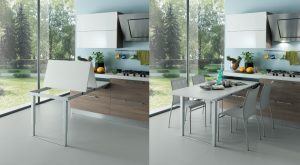
One of the biggest benefits comes from choosing furniture that works overtime. For example, a table that doubles as a dining surface and a workspace lets you eat, work, or host friends without moving anything. This flexibility fits perfectly with furniture arrangement tips for maximizing space because you avoid dedicated single-purpose items that crowd the floor. Studies show that thoughtful layout can add up to 20 percent more usable area in apartments.
Selecting the right chair matters a lot in small rooms. A multipurpose chair with storage underneath keeps remote controls, toys, or extra blankets off the floor while giving you a comfy seat. Picture a sleek ottoman-chair combo that rolls out as a footrest or folds up to save space. When you place it near the sofa or desk, it creates natural zones for different activities. This simple change makes a huge difference in how your space feels every day.

Now let's talk furniture arrangement tips for maximizing space in detail. Start by measuring every corner and wall before buying anything. Leave at least 36 inches for walking paths so you can move freely. Group furniture around the room's best light sources to make areas feel larger and more inviting. For instance, place the sofa opposite the window so natural light fills the space instead of being blocked. Use tall pieces like bookshelves against one wall to draw the eye upward and open the floor.
In my experience helping friends with studio apartments, this approach works wonders. One client had a 400-square-foot space with a small kitchen and living area. By selecting multipurpose furniture that stacked or folded, we created separate zones without walls. The result? Their daily routine felt calmer and more efficient. You can apply similar steps: measure twice, sketch a rough plan, and test different chair positions to see how the room changes.
When shopping for the best furniture, look for quality materials that last and materials that handle daily use. Metal frames resist rust, while wood options add warmth and durability. Check for easy-clean finishes because small homes get messy fast. Consider adjustable pieces too, like chairs with height controls or tables with extendable legs. These details keep your selection versatile for years ahead and help with furniture arrangement tips for maximizing space by allowing quick changes when needs shift.

Budget-friendly options make great starts too. Look for sales at local stores or online retailers that offer assembly instructions. Avoid flashy designs that don't serve real needs. Instead, pick pieces that blend into your existing decor. For chairs, choose ones with removable cushions for easy cleaning. This practical mindset leads to better furniture choices that support long-term use in tight spaces.
After selecting your multipurpose furniture, focus on the arrangement to complete the guide. Use a U-shape around the room for conversation zones. Place the chair near a reading lamp for quick access. Keep traffic paths clear so everyone moves easily. In small apartments, floating shelves above the chair create vertical storage that doesn't touch the floor. This setup not only maximizes space but also adds personality without clutter.
Real homeowners often share similar stories of transformation. One mother in a compact home replaced her bulky couch with a convertible model and added a fold-down dining table. Now her family enjoys movie nights and dinners without losing room for play area. Her chair sits perfectly at the edge, ready for guests. These experiences show how the Guide to Selecting Multipurpose Furniture for Small Spaces pays off in real life.
To wrap up, remember that the key to success lies in balance. Choose furniture that fits your lifestyle, arrange it thoughtfully with furniture arrangement tips for maximizing space, and always prioritize comfort in your chair. Small spaces become powerful when you treat them as opportunities for smart living. Start today by measuring your room and testing a few pieces. You'll wonder how you ever managed without this approach.