







Featured Post
Eco-Friendly Furniture Buying Guide
A Quick Overview
In today's world, choosing eco-friendly furniture means more than just style—it's about building a home that supports the planet. This Eco-Friendly Furniture Buying Guide: https://example.com/eco-furniture walks you through sustainable materials, smart certifications, and lasting care tips. Whether you're eyeing a new dresser or updating your living room, you'll find actionable steps to shop green. Let's dive in and make your space both beautiful and responsible.
Why Choose Eco-Friendly Furniture?
I remember when I first moved into my apartment. The cheap particleboard shelves I bought sagged after a few months, ending up in a landfill. That experience taught me a hard lesson: furniture isn't just stuff—it's an investment in your comfort and the environment.
Fast furniture contributes to massive waste. According to the EPA, Americans discard about 10 million tons of furniture yearly, much of it non-recyclable. Opting for eco-friendly pieces reduces this footprint. They last longer, use fewer resources, and often feel better underfoot.
Sustainable furniture supports healthier living too. Many traditional items off-gas harmful chemicals, but green options prioritize low-emission materials. Plus, they boost your home's resale value—buyers love knowing the sofa was made responsibly.
Think about it: your choices ripple outward. By picking sustainable furniture, you encourage brands to innovate and forests to thrive.

Key Materials to Know
Start your search by understanding materials. Not all 'natural' woods are equal—look for those sourced sustainably.
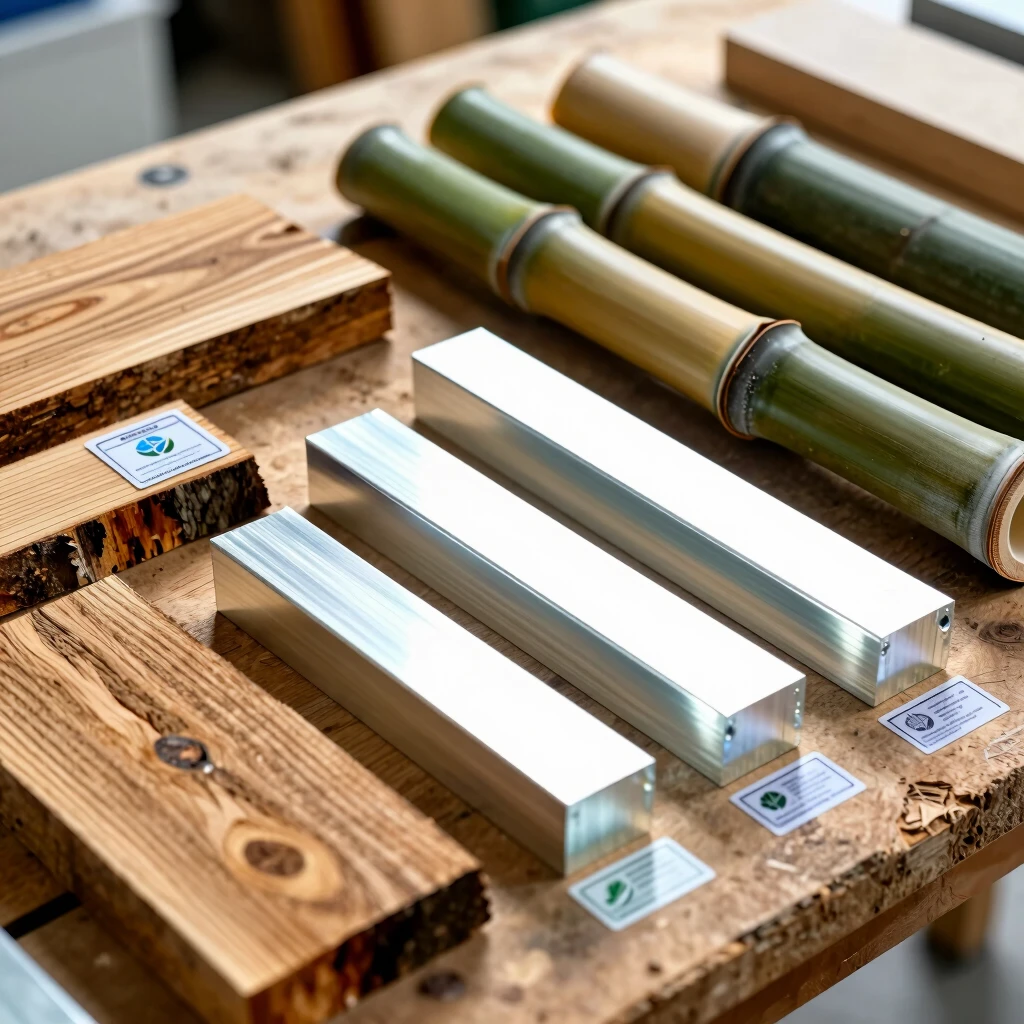
Reclaimed Wood: This gem comes from old barns or demolished buildings. It's sturdy, unique, and saves trees. I once scored a reclaimed oak dresser that tells stories through its knots. Pro tip: Check for treatments that avoid toxic preservatives.
Bamboo: Fast-growing and renewable, bamboo rivals hardwood strength. It's perfect for lightweight items like chairs or frames. Universities like NC State highlight its role in innovative sustainable wood products. Just ensure it's not shipped across oceans, which adds carbon miles.
Recycled Metals and Plastics: For modern vibes, go for aluminum or recycled polyester upholstery. These cut down on mining and oil use. Avoid virgin plastics—they linger in landfills forever.
Here's a quick comparison table:
| Material | Pros | Cons | Best For |
|---|---|---|---|
| Reclaimed Wood | Unique grain, durable | Higher cost | Tables, dressers |
| Bamboo | Renewable, lightweight | Can splinter | Chairs, shelves |
| Recycled Metal | Strong, recyclable | Industrial look | Frames, legs |
Personal note: My bamboo side table has held up through two moves without a scratch. It's a reminder that quality pays off.
Certifications That Matter
Labels can overwhelm, but they guide smart buys. Focus on third-party verified ones—they mean real accountability.
First, Forest Stewardship Council (FSC) certification ensures wood from well-managed forests. It's like a badge of honor for timber products. I always scan for that leaf logo on bed frames.
Next, check EPA's recommendations for eco-labeled furniture. They endorse standards like GREENGUARD, which tests for low chemical emissions. Breathe easier knowing your new couch won't fog up the air.
Don't skip University of Pennsylvania's guide on sustainable furniture purchasing. It stresses red-list-free materials, avoiding PVCs and flame retardants. Actionable? Yes—use it as a checklist before checkout.
- FSC: For wood sourcing.
- GREENGUARD Gold: For indoor air quality.
- Cradle to Cradle: For full lifecycle sustainability.
These aren't fluff; they back claims with audits.

Smart Buying Tips
Ready to shop? Here's how to avoid pitfalls.
Measure twice, buy once—especially for statement pieces like a dresser. Visit showrooms if possible; feel the weight and finish.
Budget wisely: Eco items cost 20-30% more upfront but save on replacements. Start small—a sustainable side table builds momentum.
Ask questions: 'What's the wood origin?' or 'Any certifications?' Reputable sellers love sharing. Online? Read reviews for longevity stories.
Consider secondhand: Thrift stores or apps like Facebook Marketplace often have gems. Upcycle a vintage dresser with non-toxic paint for that personal touch.
For families, prioritize modular designs. They adapt as kids grow, cutting waste. I swapped bulky furniture for stackable shelves—game-changer.
Pro list for your next purchase: 1. Verify certifications. 2. Choose local makers to shrink shipping emissions. 3. Opt for timeless styles over trends. 4. Factor in assembly—flat-pack can mean more waste.
Furniture Care and Maintenance Guide
Your eco-buy shines longer with proper care. Dust weekly with a microfiber cloth—no chemicals needed. For wood like that trusty dresser, use beeswax polish quarterly; it nourishes without harm.
Upholstery? Spot-clean with vinegar solutions. Rotate cushions to even wear. In humid spots, add silica packs to prevent mold.
I learned the hard way after spilling coffee on my bamboo table—quick wipe with mild soap saved it. Store off-season pieces in cool, dry spots.
Quick maintenance table:
| Item | Weekly Care | Seasonal Deep Clean |
|---|---|---|
| Wood Dresser | Dust lightly | Beeswax polish |
| Fabric Sofa | Vacuum edges | Vinegar spot clean |
| Bamboo Chair | Wipe dry | Mild soap wash |
These habits extend life, keeping more out of landfills.
Wrapping It Up
Embracing eco-friendly furniture transforms your home into a sanctuary that's kind to Earth. From picking FSC-certified wood to following a simple furniture care and maintenance guide, small steps yield big wins. You've got the tools—now furnish thoughtfully. Your future self (and the planet) will thank you.