





Featured Post
How to Choose Eco-Friendly Furniture for Your Home
Overview
Choosing eco-friendly furniture for your home helps reduce waste, protects forests, and creates a healthier living space. This guide walks you through simple steps to make smart, sustainable choices without sacrificing style or comfort.

Why Go Eco-Friendly with Your Furniture?
You might wonder if switching to sustainable furniture really matters. It does. Traditional furniture often contributes to deforestation, pollution, and indoor air toxins. Eco-friendly options cut down on these issues.
For instance, sustainable choices help preserve forests and lower carbon emissions. They also avoid harmful chemicals that can off-gas into your home air.
In my own home, I replaced an old particleboard table with a reclaimed wood one. Not only does it look better, but I feel good knowing it didn't require cutting down new trees.
Key Materials to Look For
Start with the basics: what the furniture is made from.
- Reclaimed or Recycled Wood: Gives old wood new life and prevents landfill waste.
- Bamboo: Grows quickly, making it highly renewable.
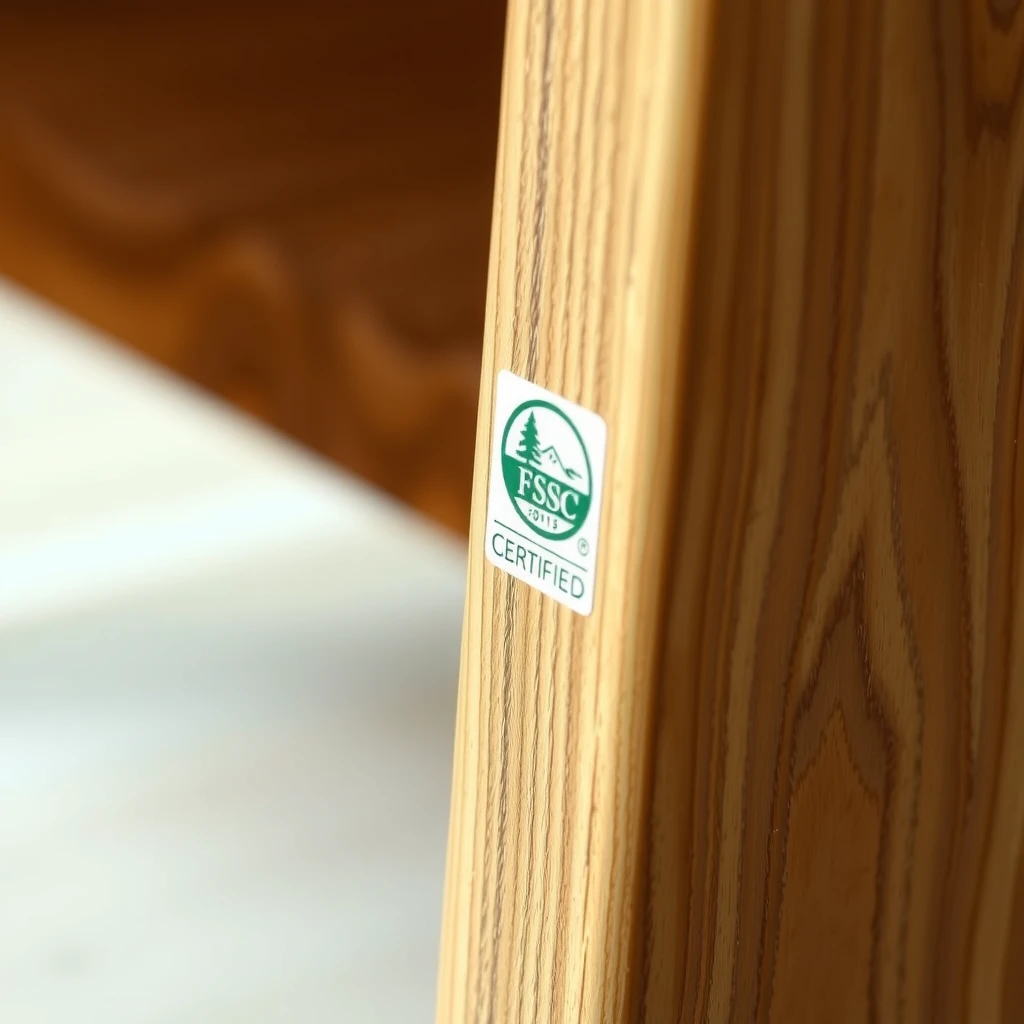
- FSC-Certified Wood: Comes from responsibly managed forests.
The Forest Stewardship Council (FSC) ensures wood is sourced in ways that protect the environment and support communities. Learn more about FSC standards for responsible forest management.
- Recycled Metals or Plastics: Reduces mining and plastic waste.
- Organic Fabrics: Like cotton or linen grown without pesticides.
Avoid particleboard or MDF unless certified low-formaldehyde, as they often contain glues with VOCs that harm air quality.
Certifications That Matter
Labels help you verify claims. Here are reliable ones:
- FSC (Forest Stewardship Council): Gold standard for wood products. It tracks sustainable sourcing from forest to finished piece.
- GREENGUARD: Ensures low chemical emissions for better indoor air.
- Cradle to Cradle: Focuses on circular design for recycling.
These independent checks add trust. For details on FSC furniture benefits, check the official FSC furniture page.
Prioritize Durability and Timeless Design
The greenest furniture is the one you keep longest. Buy quality pieces built to last.
Look for solid wood joins, strong frames, and warranties. Modular designs, like sectionals you can reconfigure, adapt to changing needs.
I once bought a cheap sofa that fell apart in two years. Now, I invest in sturdy items that save money and resources over time.
Sustainable Furniture: Eco-Friendly Futon Frames
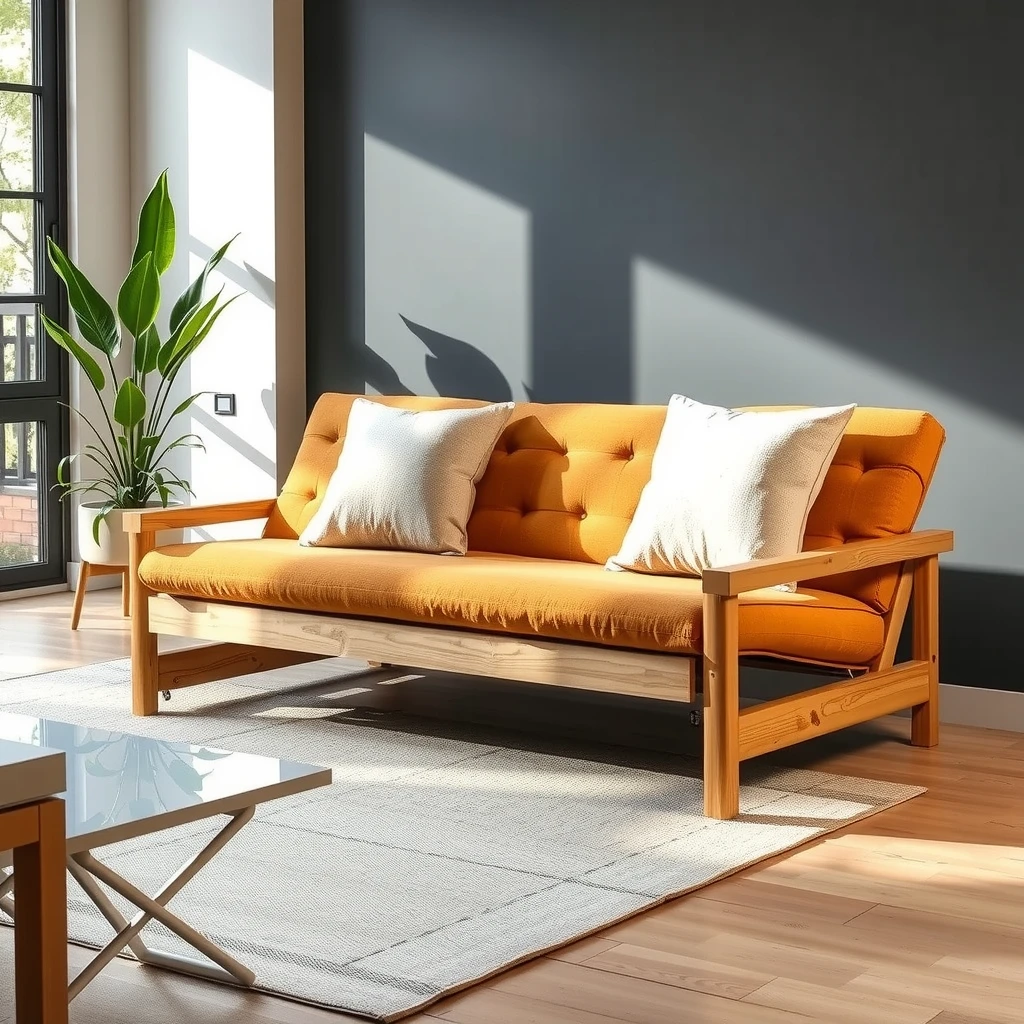
Futons offer versatile seating and sleeping options. Choose eco-friendly futon frames for a smart, green pick.
Opt for stylish futon frames for modern homes made from bamboo, reclaimed wood, or FSC-certified timber. These futon frames combine function with sustainability.
A bamboo futon frame in my guest room looks sleek and supports quick-renewing materials.
Where to Shop and What to Ask
- Local Makers or Second-Hand: Reduces shipping emissions. Thrift stores and vintage shops hold treasures.
- Brands with Transparency: Many now share sourcing details online.
Ask questions: Where is the wood from? What finishes were used? Is it recyclable?
Support companies certified by organizations like FSC.
Common Mistakes to Avoid
Don't fall for greenwashing. Words like "natural" or "green" mean little without backing certifications.
Skip fast furniture trends that break quickly. Focus on pieces you love long-term.
Actionable Checklist for Buying Eco-Friendly Furniture
Use this list next time you shop:
- Check for FSC or similar certifications
- Choose renewable or reclaimed materials
- Verify low-VOC finishes
- Assess build quality and warranty
- Consider the full lifecycle (repairable? recyclable?)
- Balance cost with long-term value
Final Thoughts
Learning how to choose eco-friendly furniture for your home is straightforward once you know what to look for. Start small—one piece at a time—and build a space that's beautiful, healthy, and kind to the planet.
Your choices add up, supporting better practices in the furniture industry.