



Featured Post
How to Choose Furniture for Small Spaces: Expert Tips to Make Your Home Feel Larger
How to choose furniture for small spaces is a skill that turns cramped apartments into comfortable, open-feeling homes. This guide shares expert strategies, personal experiences, and simple steps to help you pick pieces that work harder without taking up precious floor area. Whether you're dealing with a studio or a tiny one-bedroom, the right furniture choices can make your space feel twice as big and far more functional.
Why Smart Furniture Choices Transform Small Spaces
Living in limited square footage means every item must earn its place. Bulky sofas or heavy dressers quickly make rooms feel squeezed, while thoughtful selections create breathing room and even an illusion of extra space. I've spent years in apartments under 500 square feet, and switching to smarter furniture completely changed how I felt at home.
The key is balancing style, function, and scale. Focus on pieces that serve multiple roles and draw the eye upward. This approach isn't just about fitting things in — it's about living better. Start by thinking about your daily routines: where do you sit, eat, work, and store belongings? Answering these questions guides every decision when learning how to choose furniture for small spaces.

Step 1: Measure and Map Your Space Before Buying Anything
Grab a tape measure and write down exact dimensions of every wall, doorway, window, and obstacle. Note ceiling height too — this helps when considering tall pieces like a bookshelf. Sketch a quick floor plan on paper or use a free phone app to test layouts virtually.
Leave at least 30 inches for walkways and 18 inches between furniture and walls. I once bought a beautiful armchair without measuring and it blocked my kitchen entrance for months. Planning ahead prevents frustration and wasted money.
List your must-have functions: seating for guests, storage for clothes, a workspace. This simple step forms the foundation of how to choose furniture for small spaces and keeps you focused on practical solutions rather than impulse buys.
Step 2: Prioritize Multifunctional Furniture That Works Overtime
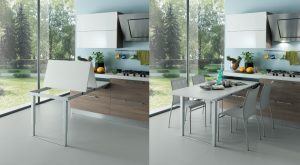
In small homes, single-purpose items waste space. Instead, choose furniture that adapts to your needs. Sofa beds turn a living room into a guest bedroom in seconds. Ottomans with lift-up tops hide blankets while serving as extra seating or a coffee table. Extendable dining tables stay compact during the week and grow for weekend dinners.
From my own studio experience, a sleeper sofa with built-in storage arms solved both seating and linen problems at once. These versatile pieces reduce clutter and give you flexibility without adding extra furniture. When shopping, test mechanisms in the store — smooth operation matters for daily use. Multifunctional furniture is often the smartest investment when mastering how to choose furniture for small spaces.

Step 3: Use Vertical Space with the Right Bookshelf and Storage Solutions
Walls are your secret weapon in tight quarters. A well-designed bookshelf draws the eye upward, making ceilings feel higher and freeing the floor. Modern bookshelf designs for living room often feature slim profiles, floating shelves, or ladder styles that add character without crowding the room.
Choose a bookshelf made from light wood or metal with adjustable shelves so it grows with your collection. Corner units or room-dividing bookshelves create zones while storing books, plants, and decor. In my small apartment, installing a floor-to-ceiling bookshelf turned an empty wall into a stunning focal point and organized my entire library.
Look for models with built-in lighting to highlight displays and avoid dark corners. Furniture like this proves that a single piece can handle storage, style, and space expansion at once. When you focus on vertical options, your room instantly feels larger and more organized.

Step 4: Focus on Scale, Color, and Materials for an Airy Feel
Proportion is everything in small rooms. Skip oversized sofas and heavy armchairs — opt for slim silhouettes with exposed legs that let light and air flow underneath. Transparent materials like glass tabletops or acrylic chairs almost disappear visually.
Light colors reflect sunlight and expand the space: soft whites, pale woods, and gentle grays work wonders. Dark furniture can shrink a room dramatically — I learned this after painting my old bookshelf black and immediately feeling closed in. Switch to light-toned furniture and watch the difference.
Metal frames and bamboo add modern lightness while staying durable. Combine these choices with mirrors placed opposite windows for maximum brightness. These simple swaps are among the most effective tricks when figuring out how to choose furniture for small spaces.
Step 5: Choose Tables, Chairs, and Bedroom Pieces That Fold or Hide
Dining areas benefit from drop-leaf or foldable tables that expand only when needed. Stackable stools or folding chairs tuck away neatly. In bedrooms, platform beds with built-in drawers provide hidden storage for seasonal clothes or extra bedding.
Rolling kitchen carts give you movable counter space that slides under counters when finished. Here's a helpful comparison to guide your decisions:
| Furniture Type | Best for Small Spaces Because | Top Features to Seek |
|---|---|---|
| Bookshelf | Maximizes vertical storage | Slim profile, adjustable shelves, lighting |
| Sofa | Combines seating and sleeping | Storage compartments, easy-convert mechanism |
| Dining Table | Flexible meal sizes | Drop-leaf or extendable design |
| Bed | Hidden storage underneath | Drawer system, slim headboard |
| Ottoman | Multi-use seating and storage | Lift-top lid, wheels for mobility |
This table shows why specific furniture types excel in compact homes and helps you shop smarter.
Common Mistakes to Avoid and Pro Tips for Success
Many people overcrowd rooms with too many pieces or buy based on looks alone. Stick to essentials and leave open space for movement. Always measure doorways before delivery — I once had to return a bookshelf that wouldn't fit through the entrance.
Ignore passing trends if they don't match your actual needs. Quality matters more than quantity; sturdy pieces last longer and look better over time. Test everything in person when possible, and consider rental options for big items while deciding.
One final personal tip: start with one high-impact piece, like a new bookshelf or sofa, then build around it. This step-by-step method keeps decisions manageable and results in a cohesive, spacious-feeling home.
Wrapping Up: Create Your Ideal Small-Space Home Today
How to choose furniture for small spaces comes down to planning, versatility, and smart scale. By measuring carefully, embracing multifunctional items like sofa beds, and using vertical solutions such as modern bookshelf designs for living room, you can make any compact area feel open, organized, and truly yours.
Start small — measure one room this weekend and pick a single piece that solves a real problem. With these strategies, your home will feel larger, work better, and reflect your style without compromise. Small spaces offer big opportunities when you choose furniture wisely.