


Featured Post
The Psychology of Clutter: Why Less is More
Overview
Clutter steals more than space—it drains your energy and clouds your mind. The Psychology of Clutter: Why Less is More reveals the science behind why cutting back brings calm, clarity, and joy. Ready to reclaim your peace?

Have you ever walked into a room and felt your shoulders tighten? That instant tension is no accident. Science shows clutter directly affects your brain. When your eyes see too many objects, they fight for attention. This constant battle tires you out before you even start your day.
I learned this the hard way. My home office once looked like a paper explosion. Bills, old magazines, and half-finished projects covered every inch. I thought I was just “busy.” Turns out, the mess was making me less productive and more irritable. One evening I finally cleared the desk. The next morning I finished two reports in half the usual time. That personal shift opened my eyes to The Psychology of Clutter: Why Less is More.
Studies back up what many of us feel. Research from UCLA found that women living in cluttered homes had higher levels of cortisol—the stress hormone—throughout the day. Men felt it too, but the effect was stronger for women who often carry the mental load of “fixing” the chaos. Princeton neuroscientists discovered that visual clutter overloads the brain’s working memory, leaving fewer resources for focus and decision-making.
Dr. Joseph Ferrari, a psychology professor at DePaul University and leading clutter researcher, explains it simply. Clutter links to procrastination and lower life satisfaction. The more stuff you keep, the more your mind spins. Less really is more when it comes to mental health.
Here’s how clutter quietly hurts you:
- Raises stress – Constant visual noise spikes anxiety.
- Kills focus – Your brain wastes energy sorting junk.
- Lowers mood – Shame and guilt creep in when spaces feel out of control.
- Disrupts sleep – A messy bedroom keeps your mind racing at night.
- Hurts relationships – Arguments over “stuff” become common.
The good news? Flipping the script feels amazing. When you choose less, your mind gains room to breathe. You make clearer decisions, sleep better, and even enjoy stronger connections with family. This is the heart of The Psychology of Clutter: Why Less is More.

Applying The Art of Organization: Tips for a Clutter-Free Home starts with one simple rule: keep only what you love or truly need. Everything else becomes noise. Start small. Pick one drawer today. Ask yourself three questions: Do I use this? Does it spark joy? Would I buy it again?
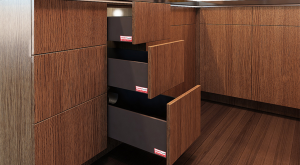
One powerful step involves innovative storage solutions with cabinet furniture. These smart pieces hide everyday items behind beautiful doors while adding style. A tall cabinet in the entryway swallows coats and shoes. A floating cabinet in the kitchen keeps counters clear. Multifunctional furniture turns a bench into secret storage for blankets and toys.
I swapped my old side table for a cabinet furniture unit with soft-close drawers. Suddenly the living room felt twice as big and ten times calmer. Guests noticed immediately. “Your place feels so peaceful,” they said. That feedback proved the power of thoughtful design.
Try these practical steps to begin your journey:
- Set a timer for 15 minutes and tackle one area.
- Use the “one in, one out” rule for new purchases.
- Create zones—everything has a home.
- Digitize papers to cut physical piles.
- Schedule weekly quick resets to stay on track.
A quick comparison shows the difference clearly:
| Aspect | Clutter Impact | Less is More Benefit |
|---|---|---|
| Focus | Brain overload | Sharp concentration |
| Stress | Higher cortisol | Calm, lower anxiety |
| Productivity | Constant distractions | Faster task completion |
| Mood | Irritability and guilt | Joy and satisfaction |
| Sleep | Racing thoughts | Deeper, restful nights |
Remember, organization is not about perfection. It is about creating space that supports how you actually live. Choose cabinet furniture that matches your style—modern, rustic, or sleek—and watch your home transform from stressful to supportive.

The shift goes beyond looks. People who embrace minimalism report stronger creativity and better relationships. Without visual noise, your mind wanders freely to new ideas. Family dinners become warmer when the table stays clear.
Many worry that less means boring. The truth is the opposite. When you remove clutter, your favorite items shine. A single piece of art or one beautiful cabinet furniture becomes the star instead of competing with chaos.
Start today with one small win. Clear your nightstand. Swap in a slim cabinet for hidden storage. Notice how your breathing slows and your thoughts sharpen. That feeling grows with every step.
In the end, The Psychology of Clutter: Why Less is More is about freedom. Freedom from stress, from distraction, and from the weight of unused things. Your home should lift you up, not weigh you down.
Summary
Clutter quietly harms focus, mood, and health, while simplicity brings calm and joy. By using The Art of Organization: Tips for a Clutter-Free Home and innovative storage solutions with cabinet furniture, anyone can create a space that supports a happier life. Less truly is more—start small and feel the difference today.