




Featured Post
How to Measure Your Space Before Buying Furniture: Essential Guide for Perfect Fit
Buying new furniture excites everyone, but nothing ruins that joy faster than bringing home a piece that doesn't fit. This guide shows you how to measure your space before buying furniture so everything slides into place perfectly.
Why Measuring Matters More Than You Think
Many people skip proper measurements and end up with buyer's remorse. A sofa that looks great in the showroom can block your doorway or overwhelm a small living room. I've seen friends struggle to return oversized pieces—it's stressful and expensive.
Taking time to measure saves money and frustration. It helps you shop confidently, knowing the furniture will work in your home.
Gather Your Tools First
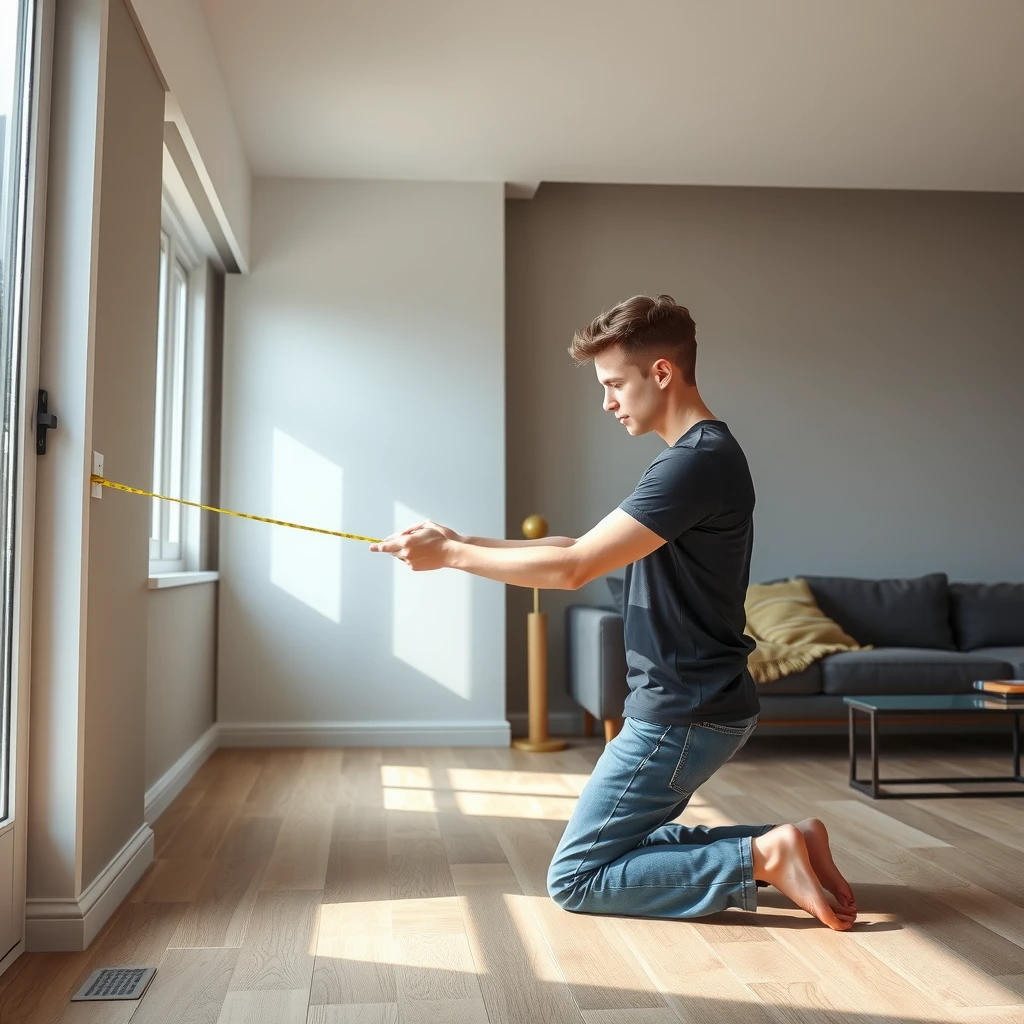
You don't need fancy equipment. Grab these basics:
- A sturdy tape measure (at least 25 feet long)
- Paper and pencil for notes
- A smartphone for photos and apps
- A helper for longer measurements
Pro tip: Use a metal tape measure—it stays straight better than cloth ones.
Step 1: Measure the Room Dimensions
Start with the big picture. Measure the length and width of the room at floor level.
- Stand in corners and pull the tape along the baseboards.
- Note the measurements in inches or feet—whichever you prefer.
- Measure height from floor to ceiling too, especially for tall items like bookshelves.
Don't forget architectural features:
| Feature | Why Measure It | Typical Allowance |
|---|---|---|
| Doorways | Furniture must pass through | Full width + height |
| Windows | Avoid blocking light or views | Sill height |
| Radiators/Outlets | Clearance needed | 6-12 inches |
| Alcoves | Perfect for built-in feel | Exact depth |
Step 2: Account for Traffic Flow and Clearance
Furniture needs breathing room. People must move comfortably around it.
Key rules of thumb:
- Leave at least 36 inches for main walkways
- Allow 18-24 inches between coffee table and sofa
- Keep 12-18 inches behind dining chairs when pulled out
I once bought a beautiful dining table without checking clearance. We couldn't pull out the chairs fully—dinner parties felt cramped until we swapped it.
Step 3: Create a Simple Floor Plan
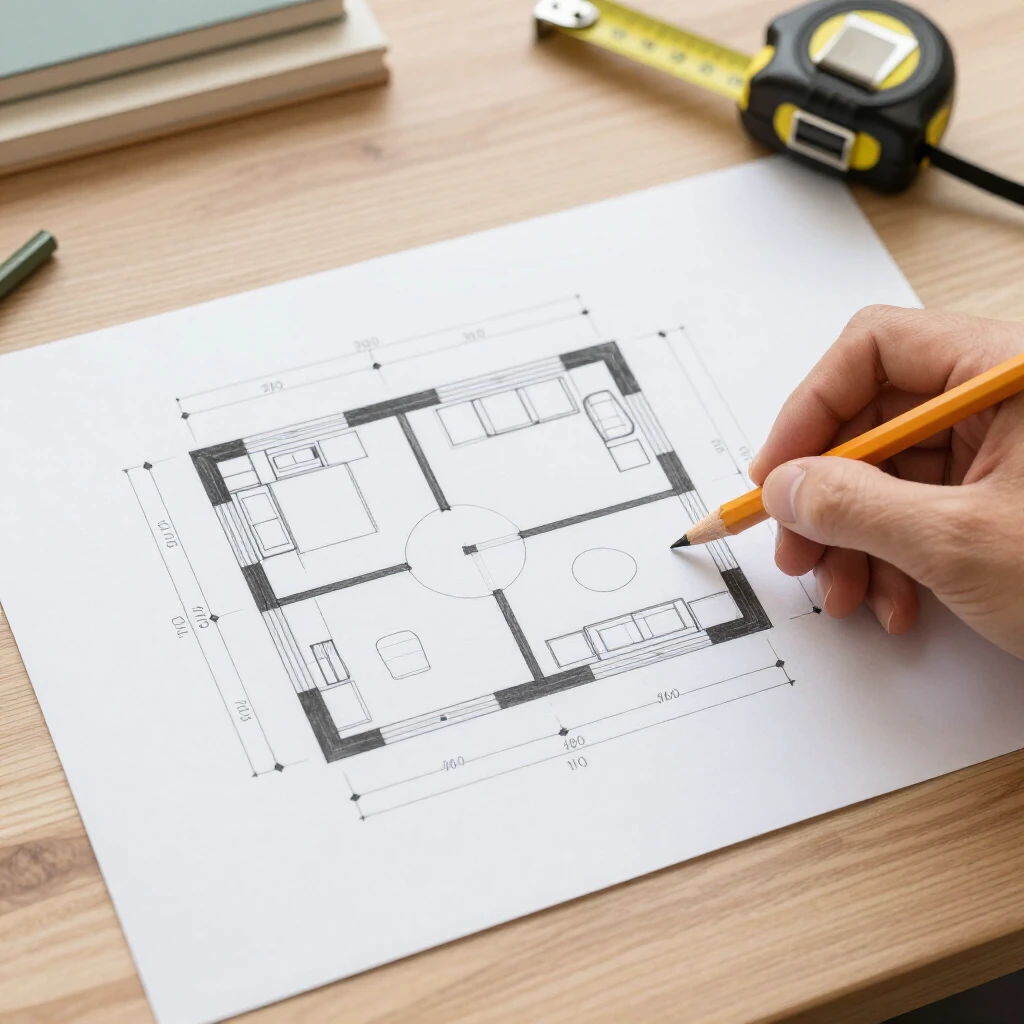
Sketch your room to scale. Use graph paper or free online tools.
- Draw the room outline with your measurements.
- Mark doors, windows, and fixed features.
- Cut out paper templates of furniture in the same scale.
- Arrange them on your plan to test layouts.
This visual step reveals issues early. Apps like Room Planner or MagicPlan make it even easier with your phone's camera.
Step 4: Measure Existing Furniture and Doorways
Before shopping, measure what you already have. This helps maintain balance.
Crucial doorway checks:
- Interior doors: Usually 30-36 inches wide
- Entry doors: Measure the narrowest point
- Hallways and stairs: Note turns and angles
Tip: Measure furniture diagonally for tight corners. Many delivery pros do this—learn from them!
Special Considerations for Different Furniture Types
Not all pieces measure the same way.
Sofas and Sectionals - Measure total length, depth, and height - Check seat height for comfort - Allow space for reclining if needed
Beds - King beds need at least 10x12 feet rooms - Measure frame, not just mattress
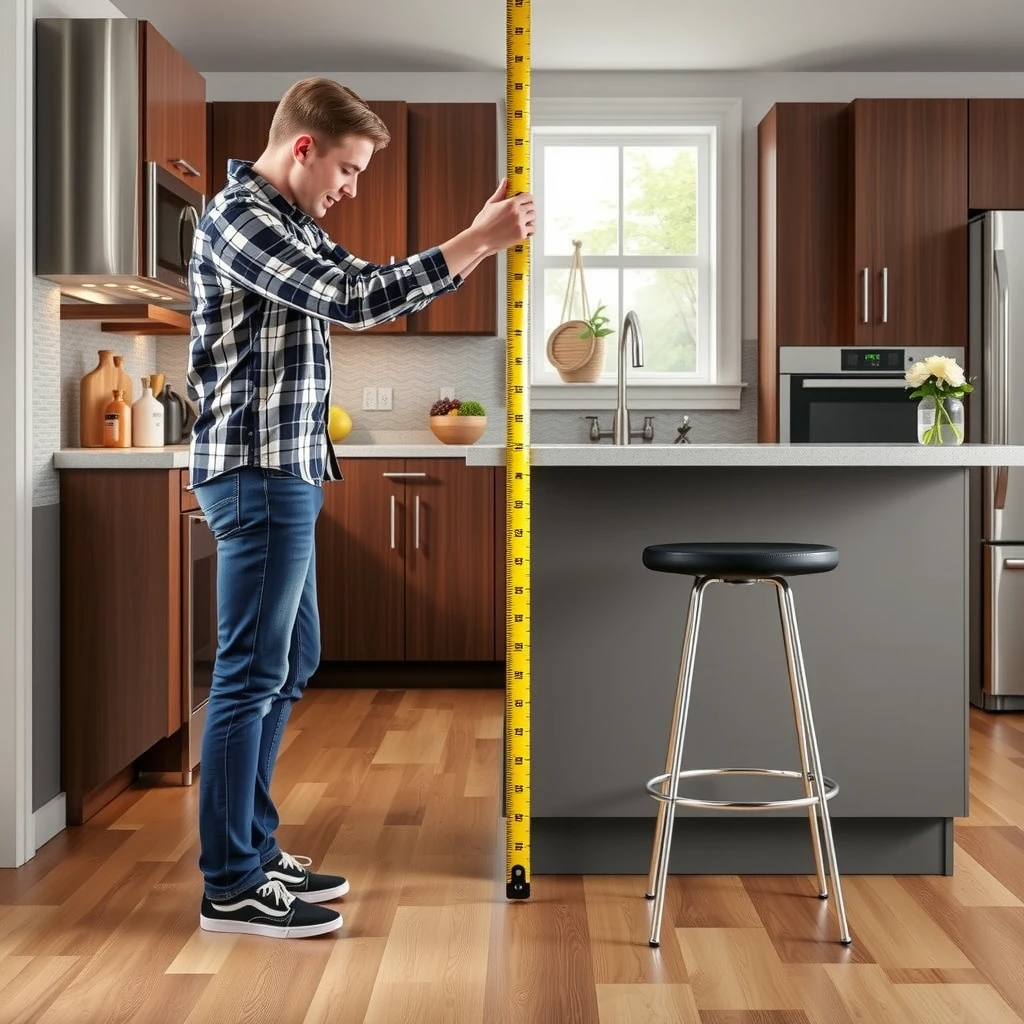
Bar Stools Bar stools trip up many buyers. Measure your counter height first—standard counters are 36 inches, bars 42 inches.
- Counter stools: 24-26 inches seat height
- Bar stools: 28-30 inches
- Leave 10-12 inches between seat and counter underside
I helped a friend pick bar stools. We measured wrong at first—they were too low, and knees hit the counter. Second try was perfect!
Home Design Tips for First-Time Buyers
If you're new to this, start small. Focus on multi-functional pieces for small spaces. Measure twice—once empty, once with current items.
Take photos of your space from corners. Show them in stores or send to online retailers. Many offer virtual placement tools now.
Your Furniture Shopping Checklist for New Homeowners
Print this before heading out:
- [ ] Room dimensions recorded
- [ ] Doorway and hallway measurements
- [ ] Traffic flow allowances noted
- [ ] Floor plan sketched
- [ ] Specific piece dimensions needed
- [ ] Photos of space taken
- [ ] Budget and style preferences
This furniture shopping checklist for new homeowners keeps you organized and prevents impulse buys.
Common Mistakes to Avoid
- Measuring only the floor spot, forgetting depth
- Ignoring delivery path—furniture must get inside!
- Forgetting to measure in the store
- Not considering assembly space needed
Real story: A couple bought a huge wardrobe online. It fit the room but not the elevator. They paid extra for crane delivery—lesson learned.
Final Thoughts
Measuring your space takes a little time upfront but saves hours of hassle later. Follow these steps, use your checklist, and you'll create a home that feels just right. Happy furnishing—your perfect pieces are waiting!