





Featured Post
Organic Mattress Options for Healthier Sleep
A Quick Overview
Switching to an organic mattress can transform your sleep quality. These beds use natural materials that avoid toxic chemicals found in many conventional options, leading to fresher air in your bedroom and potentially better health over time. In this guide, we'll explore why they matter and how to pick the right one.
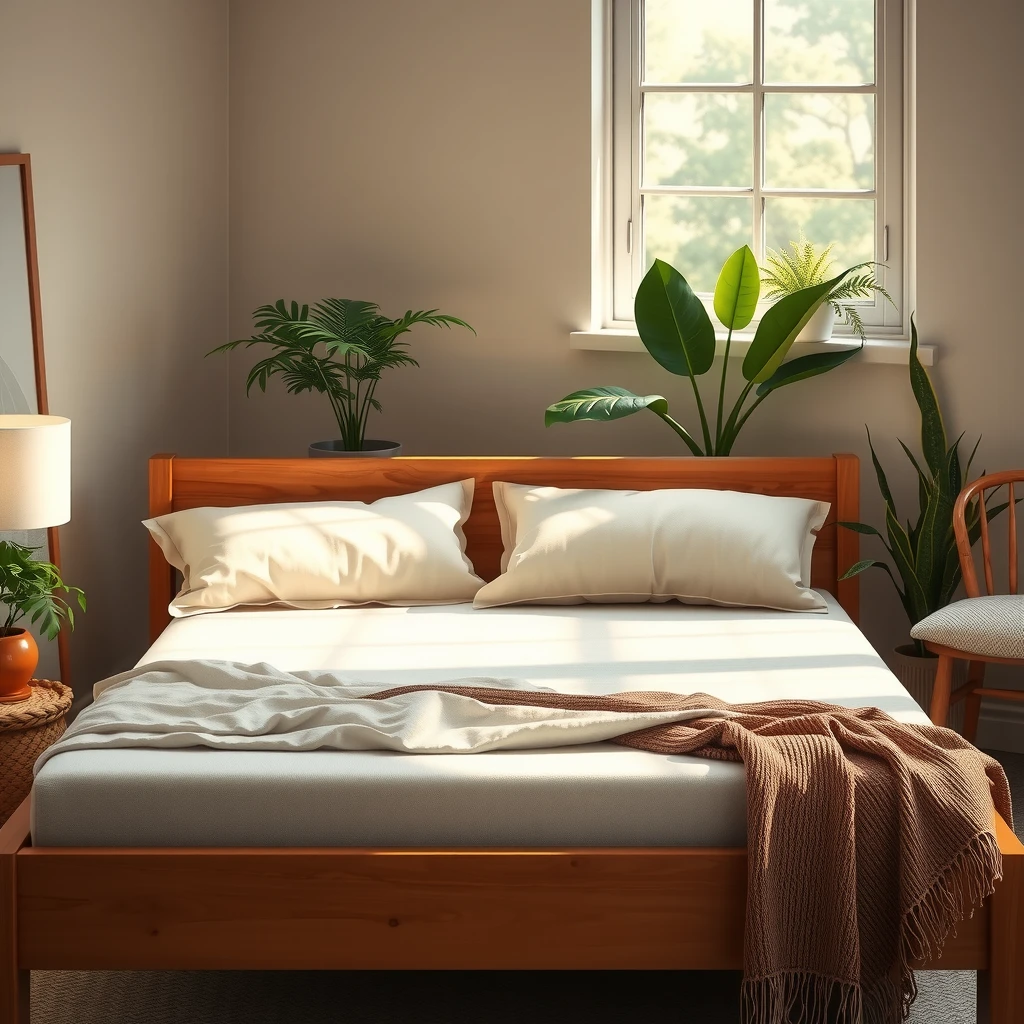
Why Choose Organic Mattress Options for Healthier Sleep?
You spend about a third of your life in bed. That's a lot of time breathing close to your mattress. Many standard mattresses contain polyurethane foam, flame retardants, and adhesives that can release volatile organic compounds (VOCs). These off-gases might irritate your eyes, nose, or throat, and some people worry about longer-term effects.
Organic mattresses skip these synthetics. Instead, they rely on materials like natural latex, organic cotton, and wool. These choices reduce exposure to potentially harmful substances. Plus, they often feel breathable and comfortable.
I switched to an organic latex mattress a few years ago after dealing with unexplained allergies. The difference was noticeable – I woke up feeling more refreshed, with less stuffiness.
Key Benefits at a Glance
- Reduced Chemical Exposure: No synthetic foams or harsh flame retardants.
- Better Breathability: Natural materials wick moisture and regulate temperature.
- Durability: Many last longer than traditional beds.
- Eco-Friendly: Sustainable sourcing supports the planet.
Studies show that medium-firm natural mattresses can improve sleep quality and reduce back pain. For example, research from the National Center for Biotechnology Information indicates latex mattresses distribute pressure more evenly than polyurethane ones.
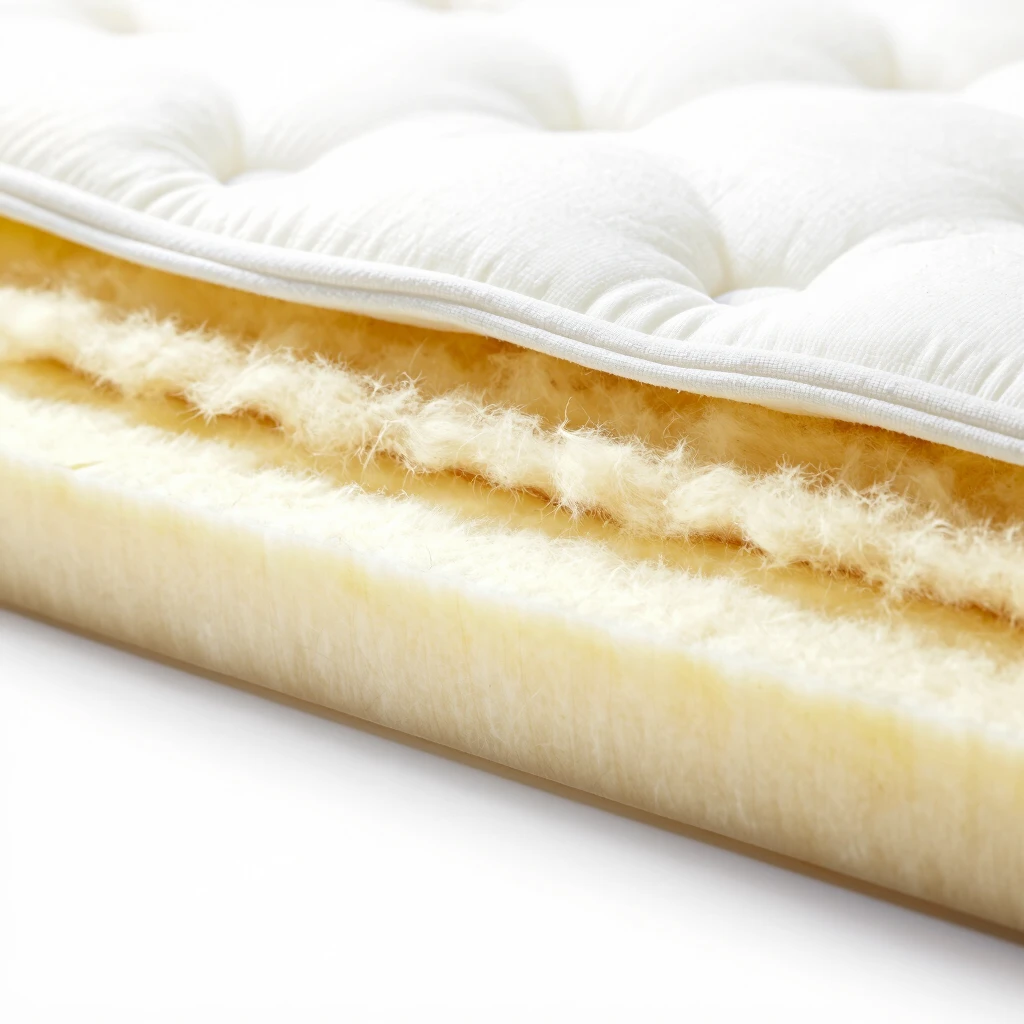
Popular Materials in Organic Mattresses
The best organic options focus on a few proven materials:
-
Natural Latex: Harvested from rubber trees, it's bouncy, supportive, and resistant to dust mites. Look for GOLS-certified latex to ensure it's organic.
-
Organic Wool: Acts as a natural flame barrier and temperature regulator. It wicks away moisture to keep you dry.
-
Organic Cotton: Soft, breathable cover material that's grown without pesticides.
These combine for a bed that's supportive yet cushy. Brands often layer latex for the core, wool for comfort, and cotton for the outer cover.
Certifications to Trust
Not all 'natural' claims are equal. Reliable ones include:
-
GOTS (Global Organic Textile Standard): Covers cotton and wool, ensuring organic fibers and fair labor. Learn more at the official GOTS website (global-standard.org).
-
GOLS (Global Organic Latex Standard): For latex, requiring at least 95% organic content.
-
GREENGUARD Gold: Low emissions for indoor air quality.
These third-party checks give peace of mind.
Types of Organic Mattresses
-
All-Latex: Pure bounce and support. Great for back sleepers.
-
Hybrid: Latex or wool over pocketed coils for added lift.
-
Wool-Focused: Softer, more compressible feel.
Prices range from $1,000 to $3,000 for a queen, depending on thickness and brand.
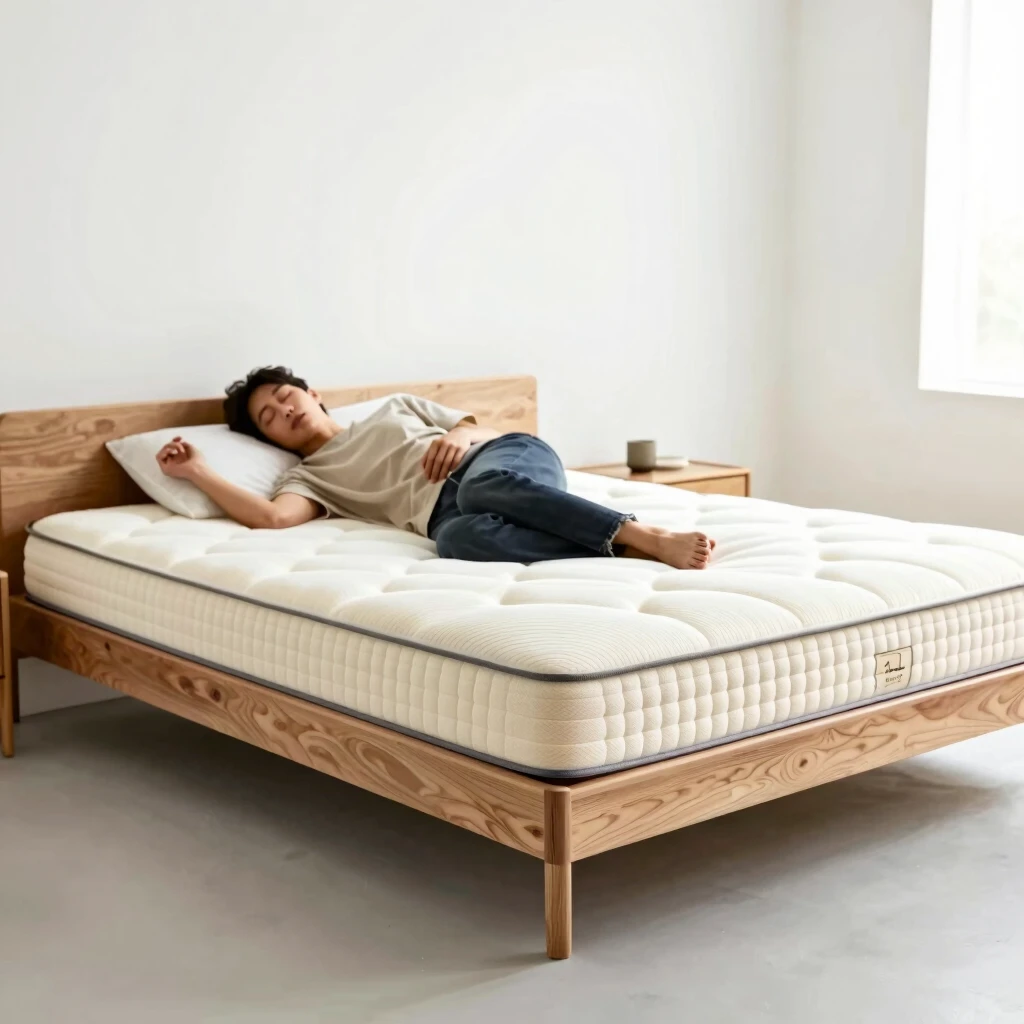
Exploring Futons as an Alternative
If space is tight or you prefer versatility, consider a futon. These foldable beds work as sofas by day and mattresses by night. Organic futons use cotton, wool, or latex fillings without synthetic foams.
They promote good posture and are easy to air out. Follow futon care and maintenance tips like regular rotation and sun exposure to keep them fresh.
For more on integrating a futon into your home, check this guide on How to Choose the Perfect Futon for Your Space. It's a practical piece of furniture that fits smaller rooms perfectly.
How to Choose Your Organic Mattress
Think about:
- Your sleep position: Side sleepers often need softer surfaces.
- Firmness: Medium-firm supports most people best.
- Trial period: Many brands offer 100+ nights to test.
- Budget: Invest in quality for long-term health.
I recommend trying in a showroom if possible, or using online trials.
Quick Comparison Table
| Type | Best For | Firmness Options | Price Range (Queen) |
|---|---|---|---|
| All-Latex | Bounce & Durability | Medium to Firm | $1,500–$2,500 |
| Latex Hybrid | Support & Cooling | Medium | $1,200–$2,000 |
| Organic Futon | Small Spaces | Variable | $500–$1,200 |
| Wool Mattress | Temperature Control | Soft to Medium | $1,000–$2,000 |
Final Thoughts
Organic mattress options for healthier sleep offer real benefits – cleaner air, better comfort, and peace of mind. Whether you go for a full latex bed or a versatile futon, prioritize certified materials. Your body will thank you with deeper, more restorative rest.
Start small if needed, like adding an organic topper, then upgrade fully. Sweet dreams await!
References
For more on mattress materials and sleep quality:
-
National Center for Biotechnology Information studies on latex vs. polyurethane pressure distribution.
-
Global Organic Textile Standard (GOTS) for certification details.