


Featured Post
Incorporating Natural Materials in Interior Design: Timeless Warmth for Modern Homes
Bringing the outdoors inside through incorporating natural materials in interior design adds warmth, texture, and a sense of calm to any home. This approach feels inviting and supports well-being while making thoughtful choices for the planet.
People today seek homes that nurture them. Natural elements like wood, stone, and plant fibers deliver beauty that lasts. They age gracefully and tell a story. I remember walking into a friend's renovated living room. The oak floors and linen curtains made the space feel alive and peaceful. That experience showed me the power of these choices.

Why choose natural materials? They bring real benefits. Wood and stone regulate temperature and humidity naturally. Many options come from renewable sources or recycled stock. They also improve indoor air quality compared to synthetic alternatives. Studies link biophilic design — which includes these materials — to lower stress levels.
Start small if you feel unsure. Swap synthetic curtains for linen or cotton. Add a wooden cutting board or a stone bowl as decor. These touches build confidence before bigger changes.
Key Natural Materials and How to Use Them
Wood stands out as a favorite. Oak, walnut, and pine offer different grains and colors. Use it for flooring, beams, or furniture. Reclaimed wood adds character and reduces waste. Bamboo grows quickly and works well for flooring, blinds, or light furniture. It feels modern yet earthy.
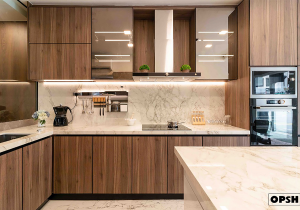
Stone brings luxury and durability. Granite or marble countertops last decades. Slate or limestone tiles suit bathrooms and entryways. Their natural variations make each piece unique.
Other options include cork for flooring or wall panels, jute and sisal for rugs, and wool or organic cotton for upholstery. These materials add texture without overwhelming the senses.
Mix materials carefully. Pair rough stone with smooth wood for contrast. Combine warm wood tones with cool stone accents. This balance keeps spaces interesting.

The Art of Minimalist Furniture in Entryways
Entryways set the tone for your home. They welcome guests and organize daily life. The art of minimalist furniture in entryways focuses on clean lines and purposeful pieces. A simple console or bench made from natural wood keeps the area open and airy.
Choose pieces that serve multiple roles. A narrow wooden bench provides seating and storage underneath. Wall-mounted hooks made from branches or metal add function without clutter. Keep colors neutral to let the materials shine.
Lighting matters here too. A pendant lamp with a linen shade or a wooden base casts a soft glow. Mirrors with natural wood frames reflect light and make small spaces feel larger.
Unique Sideboard Furniture Designs for Entryways
A sideboard offers smart storage and display space. Unique sidebar furniture designs for entryways blend style with practicality. Look for sideboard pieces crafted from solid wood with minimal hardware. Some feature live edges or hand-carved details that celebrate the material's natural beauty.
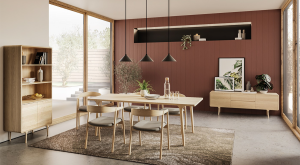
Consider a low-profile sideboard in light oak for a Scandinavian feel. It holds keys, mail, and a lamp while keeping the look uncluttered. For more character, choose a reclaimed wood sideboard with visible knots and grain. Pair it with a stone top for added durability.
Creative designs include floating sideboards that appear to hover, or those with woven rattan doors for texture. Add a few curated items on top: a ceramic vase with fresh greenery, a small sculpture, or family photos in wooden frames.

When selecting furniture, think about scale. Measure your space first. A sideboard that is too large will crowd the area. Aim for balance — enough storage without blocking movement.
Practical Tips for Successful Incorporation
Here are actionable steps to get started:
- Assess your space: Note existing colors and lighting. Natural materials look best with soft, natural light.
- Source responsibly: Look for FSC-certified wood or locally reclaimed pieces.
- Layer textures: Combine smooth stone with rough wood and soft fabrics.
- Maintain properly: Use natural oils on wood and seal stone to protect surfaces.
- Budget wisely: Invest in key pieces like flooring or a sideboard that will last.
Personal insight: In my own home, I replaced a synthetic console with a simple oak sideboard. The change made the entryway feel more grounded. Guests often comment on how welcoming it feels.
Sustainability plays a big role. Natural materials often have lower embodied carbon when sourced well. They also biodegrade or can be repurposed at the end of their life.
Common Mistakes to Avoid
Do not mix too many competing natural elements at once. This can make a room feel busy. Start with two or three materials and build from there.
Avoid treating natural materials as purely decorative. They work hard — providing storage, seating, or surface space. Choose durable options for high-traffic areas.
Finally, do not overlook maintenance. Natural surfaces need gentle care to keep their beauty.
Incorporating natural materials in interior design creates homes that feel alive and connected to the world outside. From the warmth of wood underfoot to the cool touch of stone, these choices deliver lasting beauty and comfort.
Whether you update an entryway with a thoughtful sideboard or refresh an entire room, the results reward patience and care. Your space will reflect both style and values.